Markets have a way of speaking in quiet signals before they raise their voices. Long before numbers flash red or green, there is often a shift in tone — a pause, a recalibration, a sense that familiar ground may not feel quite the same tomorrow. In recent weeks, that feeling has settled gently but persistently over global markets, carried by conversations about the U.S. dollar and what may follow if its footing begins to soften.
The dollar has long served as an anchor, not only for American finance but for global trade, savings, and pricing. When it moves, even subtly, the ripple spreads far beyond currency desks. Analysts and investors have begun to issue cautious warnings, suggesting that mounting U.S. debt, persistent inflation pressures, and changing interest rate expectations could weaken confidence in the dollar’s long-standing dominance.
Within this atmosphere, attention has turned once again to assets that tend to respond sharply to shifts in monetary sentiment. Gold, with its centuries-old reputation as a store of value, has drawn renewed interest as investors look for insulation against uncertainty. At the same time, Bitcoin — younger, more volatile, and shaped by a very different philosophy — has reentered conversations as both a speculative instrument and a hedge against currency debasement.
Some market watchers describe the moment in dramatic terms, warning of a potential “collapse” in confidence rather than an abrupt disappearance of the dollar’s role. The language itself reflects anxiety more than certainty, underscoring how deeply intertwined the currency is with global stability. Others urge restraint, noting that while pressures exist, the dollar remains supported by deep capital markets and institutional trust that does not vanish overnight.
Still, markets are forward-looking by nature. Expectations about future rate cuts, fiscal discipline, and geopolitical risk have begun to influence positioning across asset classes. In this context, gold prices have shown sensitivity to even modest changes in dollar strength, while Bitcoin has reacted to broader narratives about monetary alternatives and decentralization.
What binds these discussions together is less a prediction than a mood. It is a recognition that the era of effortless confidence may be giving way to one of closer scrutiny. Investors are not necessarily abandoning the dollar, but they are asking more questions about diversification, resilience, and exposure to shocks.
As with many market narratives, the truth is likely to unfold gradually rather than all at once. Signals will emerge through policy decisions, economic data, and investor behavior, not headlines alone. Gold and Bitcoin may experience sharp movements, but those shifts will reflect collective judgment rather than a single moment of rupture.
For now, markets continue to brace rather than break. Analysts advise vigilance, policymakers watch indicators closely, and investors adjust portfolios with care. The dollar remains central, even as conversations about its future grow more frequent and more nuanced.
AI Image Disclaimer
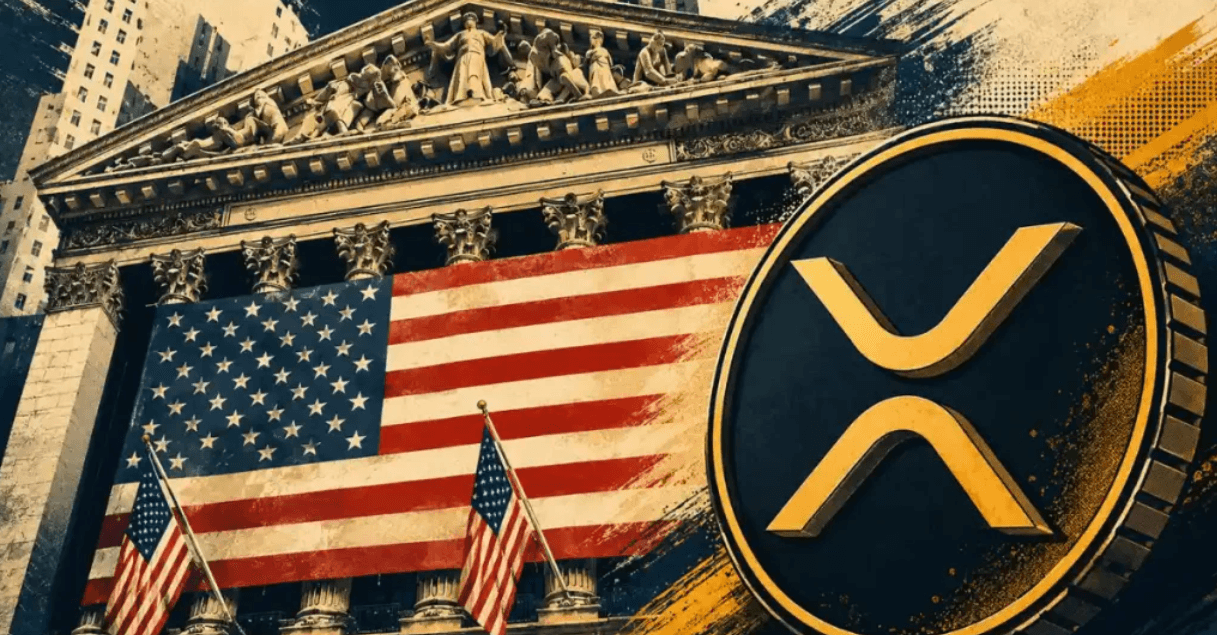
“Images in this article are AI-generated illustrations, meant for concept only.”
Sources
Forbes Bloomberg Reuters CNBC MarketWatch
Published by Banx Network. This article is part of the Banx decentralized media programme, powered by the BXE token on the XRP Ledger.