In the Bay Area, where hills soften into neighborhoods and freeways hum like a second tide, change often arrives slowly, announced first by planning notices and murmured objections. It can take years for a project to move from sketch to soil. In this case, the motion unfolded not on a construction site but in a courtroom, where the fate of a city’s sixth Costco rested on legal language rather than concrete.
The challenge centered on a proposed warehouse store planned for a Bay Area city already familiar with the scale and rhythm of big-box retail. Opponents of the development had sought to halt construction through the courts, arguing that the project failed to meet environmental and planning requirements. Traffic congestion, neighborhood character, and the cumulative impact of large retail sites formed the quiet backbone of their concerns, echoing long-standing regional anxieties about growth and sprawl.
A judge, however, saw the matter differently. In a ruling that closed the case, the court dismissed the lawsuit, determining that the city had followed the necessary procedures in approving the project. Environmental reviews were found sufficient under state law, and the claims raised by opponents did not meet the threshold needed to block the development. With that decision, a legal pause that had lingered over the project quietly lifted.
The ruling does not erase the deeper tension that surrounded the case. Across the Bay Area, cities are pressed between competing needs: accommodating population growth, managing traffic and infrastructure, and responding to residents wary of further congestion or commercial expansion. Costco, with its wide aisles and bulk goods, often becomes a symbol in these debates, less about the store itself than what it represents—scale, affordability, and the reshaping of local commercial landscapes.
For supporters, the new location promises jobs, tax revenue, and convenience, especially in communities where housing costs already stretch household budgets. For critics, it signals another step toward heavier traffic and the steady erosion of smaller-scale retail environments. Both perspectives remain, even as the legal dispute has ended.
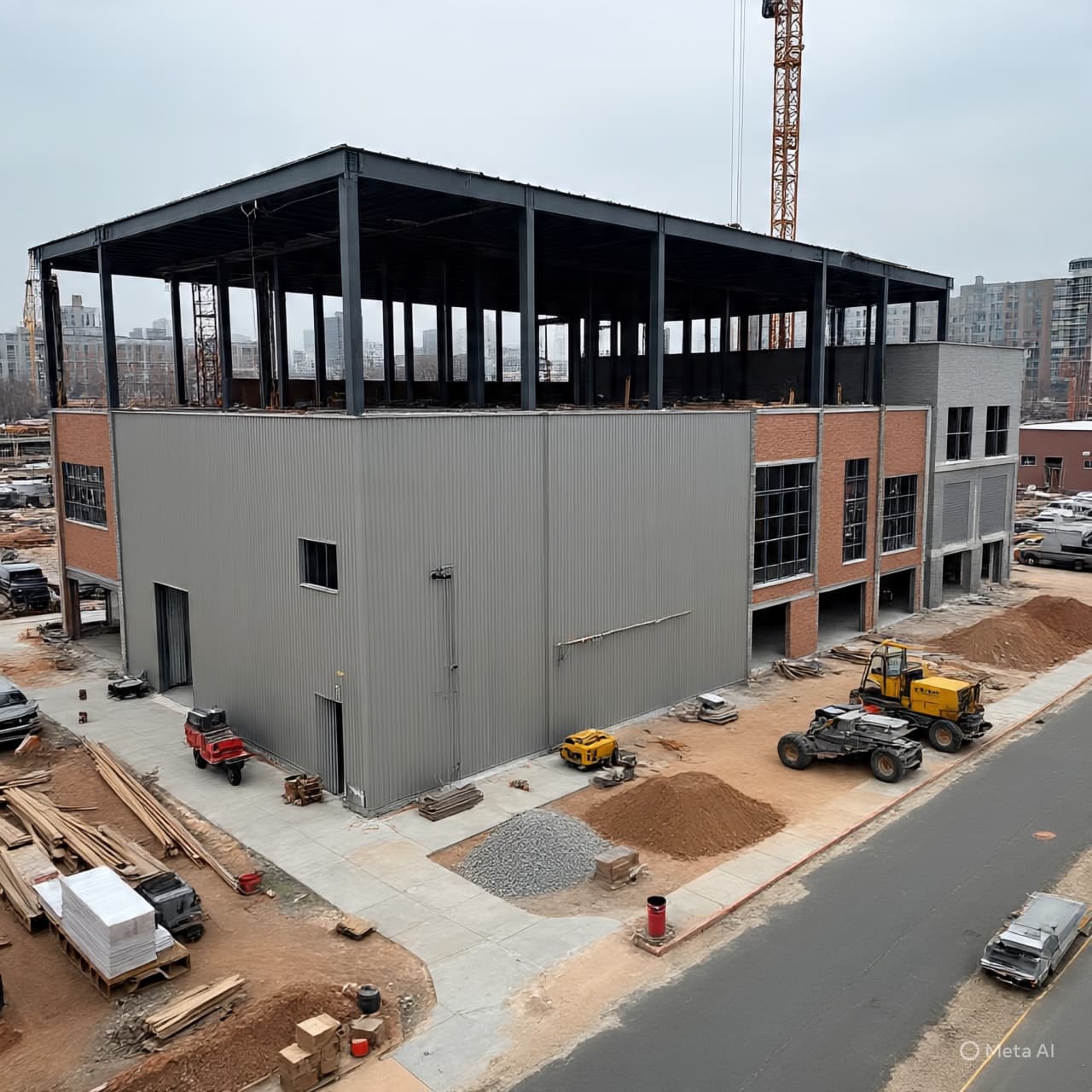
Now, the path forward is administrative rather than judicial. With the lawsuit dismissed, the city may proceed with the next stages of development, subject to standard permitting and construction timelines. The ruling does not mandate immediate ground-breaking, but it removes the most significant obstacle standing in the project’s way.
In practical terms, a judge has thrown out the case seeking to stop the Bay Area city’s sixth Costco, allowing the approved development to move ahead under existing city and state regulations.
AI Image Disclaimer Visuals are AI-generated and serve as conceptual representations.
Sources (Media Names Only) Associated Press San Francisco Chronicle The Mercury News KQED
Published by Banx Network. This article is part of the Banx decentralized media programme, powered by the BXE token on the XRP Ledger.