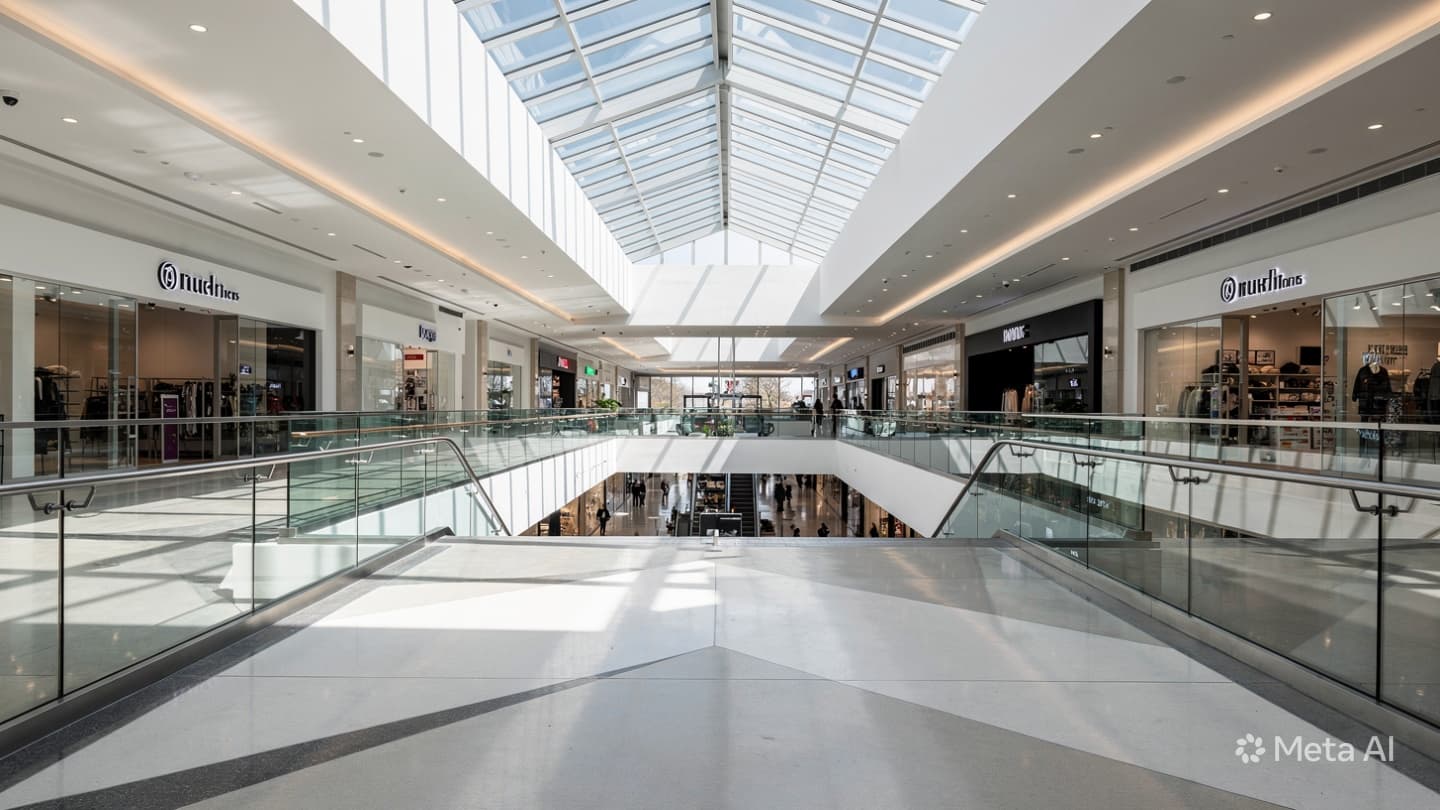
The modern shopping mall is a cathedral of transition, a space designed for the smooth, rhythmic flow of human movement and commerce. In the city of Zhuhai, Huafa Mall has long functioned as a site for such mundane, essential activity—a place where the social pulse of the city is felt in the steady walk of patrons and the quiet, ambient hum of daily life. It is an environment of constructed safety, where the boundaries between the individual and the collective are defined by the orderly arrangement of space and the predictability of human interaction.
That sense of order was abruptly, violently interrupted by an event that has left a city—and those who watched the reports from afar—in a state of profound, reflective stillness. The act, a stabbing that occurred within the corridors of the mall, stands as a stark intrusion of raw, personal violence into a space that is meant to be defined by its neutrality. It is a moment that does not lend itself to easy analysis, for it defies the logic of the environment in which it took place.
In the accounts that have emerged, the event is described with a sense of jarring immediacy. There is the image of the victim, caught in the transition between a normal afternoon and a sudden, life-altering confrontation. There is the presence of the suspect, whose apprehension at the scene has left many to wonder about the motives—or lack thereof—that drive an individual to commit such an act in the full view of the public. The details, filtered through the lens of early reports and the fragmented nature of social media, contribute to a sense of unease.
To view this incident through an editorial lens is to confront the limits of our collective security. We move through public spaces with a degree of implicit trust, believing that the presence of others is a safeguard rather than a liability. When that trust is broken in such a visceral way, the space itself seems to change. The corridors of the mall, once conduits for leisure, become sites of memory, places where the air feels heavier and the movements of those who pass through are tinged with a new, hesitant awareness.
The response from the authorities—swift, contained, and final—provides a measure of closure to the immediate event, yet the lingering questions remain. What does it mean for a city when such violence can manifest in the middle of a workday? How do we reconcile the desire for open, accessible public spaces with the knowledge that the unpredictable can intrude at any moment? These are not questions that yield immediate answers, but they are ones that the citizens of Zhuhai are now compelled to navigate.
There is a natural inclination to seek meaning in the senseless, to look for a narrative that explains the why of such an act. Yet, sometimes the truth is as opaque as the moment itself. The act of violence is an end in itself, a rupture in the continuity of the community. In reflecting on it, we are forced to confront the reality that our public lives are always subject to the actions of the singular, the isolated, and the driven—those who exist outside the social contracts that most of us honor every day.
The city of Zhuhai continues its own rhythm, even as the shadow of this event hangs over the Huafa Mall. The shops remain open, the lights continue to glow, and the people return to their routines. It is a testament to the resilience of the urban fabric, a persistent, quiet insistence that life must go on despite the moments of interruption that threaten to dismantle it. But the memory of the event serves as a somber reminder of our collective vulnerability.
In the end, our reflection on this incident is a reflection on ourselves. We are the ones who fill these spaces, who create the atmosphere of the city, and who bear the weight of its tragedies. The stabbing is not merely a headline to be processed; it is a human event that resonates across the broader landscape of our shared society. It calls for a period of collective pause, a moment to acknowledge the fragility of our public peace and the importance of the human connections that allow us to sustain it.
As the investigation into the motives and the background of the suspect continues, the people of Zhuhai are left to process the event in their own way. Some will return to the mall with a renewed sense of caution, while others may find the space irrevocably altered. It is a process of individual and communal healing, a slow re-adjustment to a reality that has been slightly, but significantly, darkened by the events of the week.
Published by Banx Network. This article is part of the Banx decentralized media programme, powered by the BXE token on the XRP Ledger.