
Key Highlights
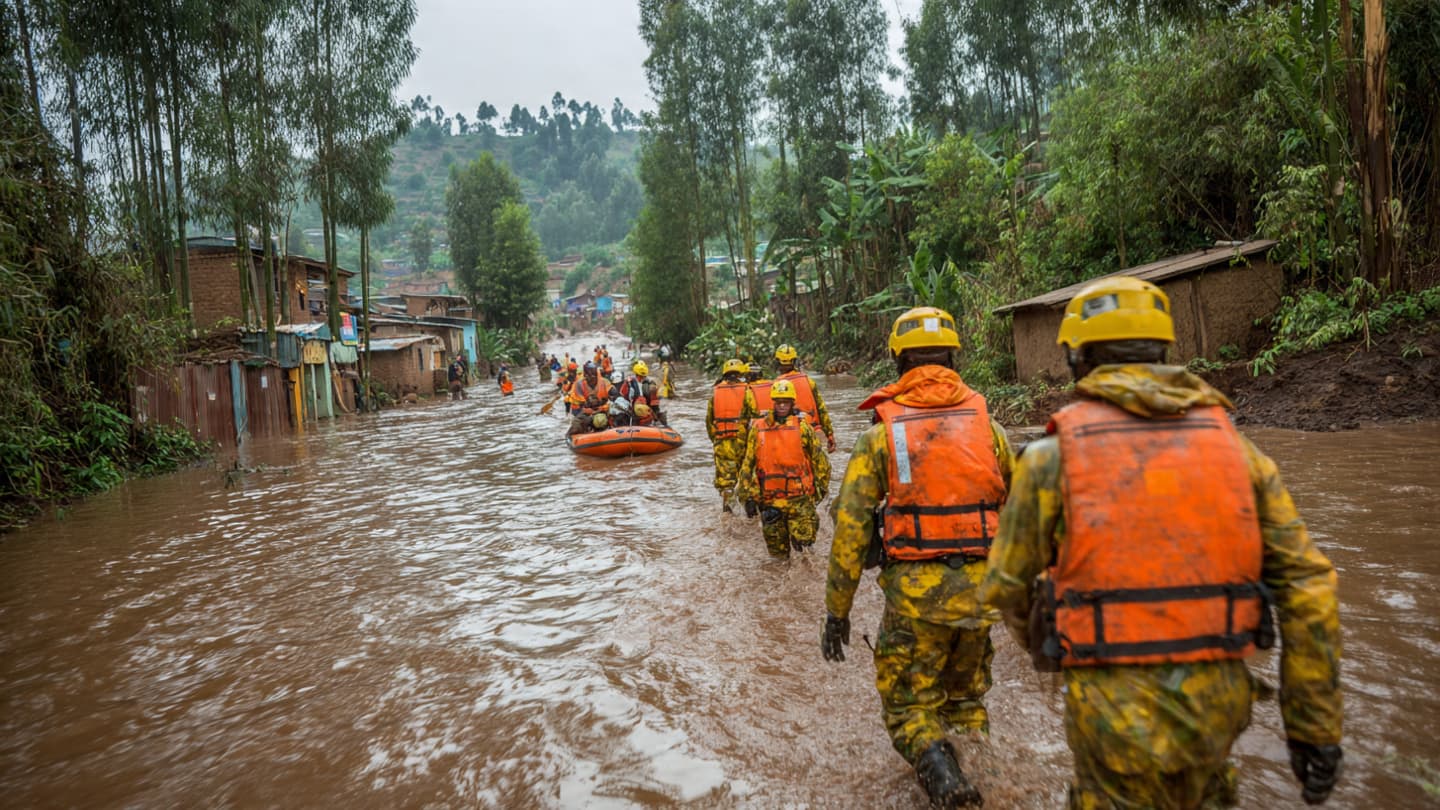
- Flash Flooding:Intense rainfall has led to severe flash flooding across rural Canada.
- Infrastructure Damage:Roads and bridges have collapsed, isolating communities.
- Emergency Response:Authorities are coordinating rescue operations and providing temporary shelters.
Rural Canada is currently facing a significant flood emergency as relentless rainfall has caused rivers to overflow and roads to wash away. The situation has left entire communities cut off from neighboring towns, with emergency crews working tirelessly to reach those stranded. The impact of the flooding has been devastating, with reports of multiple roads being rendered impassable and vital transportation routes disrupted.
Residents have described harrowing experiences as they woke to find their homes and fields surrounded by rapidly rising waters. In the early hours of the morning, many found themselves trapped as bridges and culverts succumbed to the powerful currents. Rescue teams have been deployed, utilizing boats and off-road vehicles to evacuate families and deliver essential supplies to those in need.
Communication disruptions have further complicated the response efforts in isolated areas where floodwaters have damaged infrastructure. Temporary shelters have been established in nearby towns, providing refuge for displaced residents who arrived with only the belongings they could gather in haste. The emotional toll on these communities is palpable, as they grapple with the aftermath of the flooding and the uncertainty of their immediate future.
The geography of rural Canada, often characterized by its proximity to rivers and natural landscapes, has become a double-edged sword. While these environments have historically fostered a sense of connection among residents, they have also proven vulnerable to the whims of severe weather. The recent flash floods have transformed familiar landscapes into barriers, separating families and friends not by distance but by the sheer force of water.
In response to the crisis, emergency management agencies have mobilized additional personnel and resources to assess the damage and begin recovery efforts. Engineers are evaluating the structural integrity of washed-out roadways and bridges, which remain at risk of further collapse. Authorities are urging residents to avoid flooded areas and remain vigilant for potential evacuation notices as the situation evolves.
Meteorologists have issued warnings regarding the saturated ground conditions, which could lead to landslides and additional flooding in already vulnerable regions. As officials monitor river systems closely, emergency crews continue their efforts to deliver supplies and support to isolated communities. The recovery process is expected to be lengthy, with infrastructure repairs potentially taking days or even weeks in the most severely affected areas.
As evening falls, rescue and recovery operations remain ongoing, with emergency declarations still in effect. The resilience of rural Canadians is being tested, but their determination to support one another during this crisis shines through amidst the chaos and uncertainty.
Published by Banx Network. This article is part of the Banx decentralized media programme, powered by the BXE token on the XRP Ledger.



