Across Indonesia, the language of artificial intelligence is gradually moving away from laboratories and technology conferences and into everyday public programs. The shift is still developing, but the direction is becoming clearer: AI is being considered not only as a tool for technology companies, but also as part of broader national infrastructure.
The Indonesian government has been preparing to integrate artificial intelligence into several strategic programs, according to Reuters. The plans include applications across public services and large-scale government initiatives, reflecting a wider effort to use digital technology to improve efficiency and decision-making. (reuters.com)
One of the areas receiving attention is the country's large free-meal program. Artificial intelligence could potentially assist with logistics, data management, supply planning, and monitoring across a system involving schools, suppliers, kitchens, and distribution networks.
The scale of Indonesia makes such applications particularly complex. The country stretches across thousands of islands, with enormous differences in geography, infrastructure, connectivity, and access to digital services. A system that works smoothly in Jakarta may require substantial adaptation before it can operate effectively in remote regions.
The government has also been developing broader AI infrastructure. Earlier plans included expanding data centers and strengthening the digital ecosystem needed to support AI development. Such infrastructure requires investment in computing capacity, electricity, telecommunications, cybersecurity, and skilled workers.
For Indonesia, the potential benefits extend beyond government programs. AI could assist businesses with customer service, logistics, agriculture, financial services, manufacturing, and education. Small improvements repeated across millions of transactions could eventually have a meaningful effect on productivity.
Yet technology alone cannot guarantee those outcomes. AI systems depend on reliable data, strong digital infrastructure, trained personnel, and appropriate safeguards. Without those foundations, even advanced software can struggle to produce useful results.
There is also a practical question of accessibility. Indonesia's digital transformation will need to reach communities with different levels of connectivity and technological capacity. The challenge is therefore not simply building advanced AI systems, but ensuring that their benefits can travel across the country's diverse economic and geographic landscape.
For now, Indonesia's AI agenda remains a work in progress. The government is moving toward greater use of artificial intelligence while the country's technology sector continues to develop the infrastructure required to support it. The next stage will be measured less by announcements and more by whether these systems can become reliable tools within the daily machinery of public and private life.
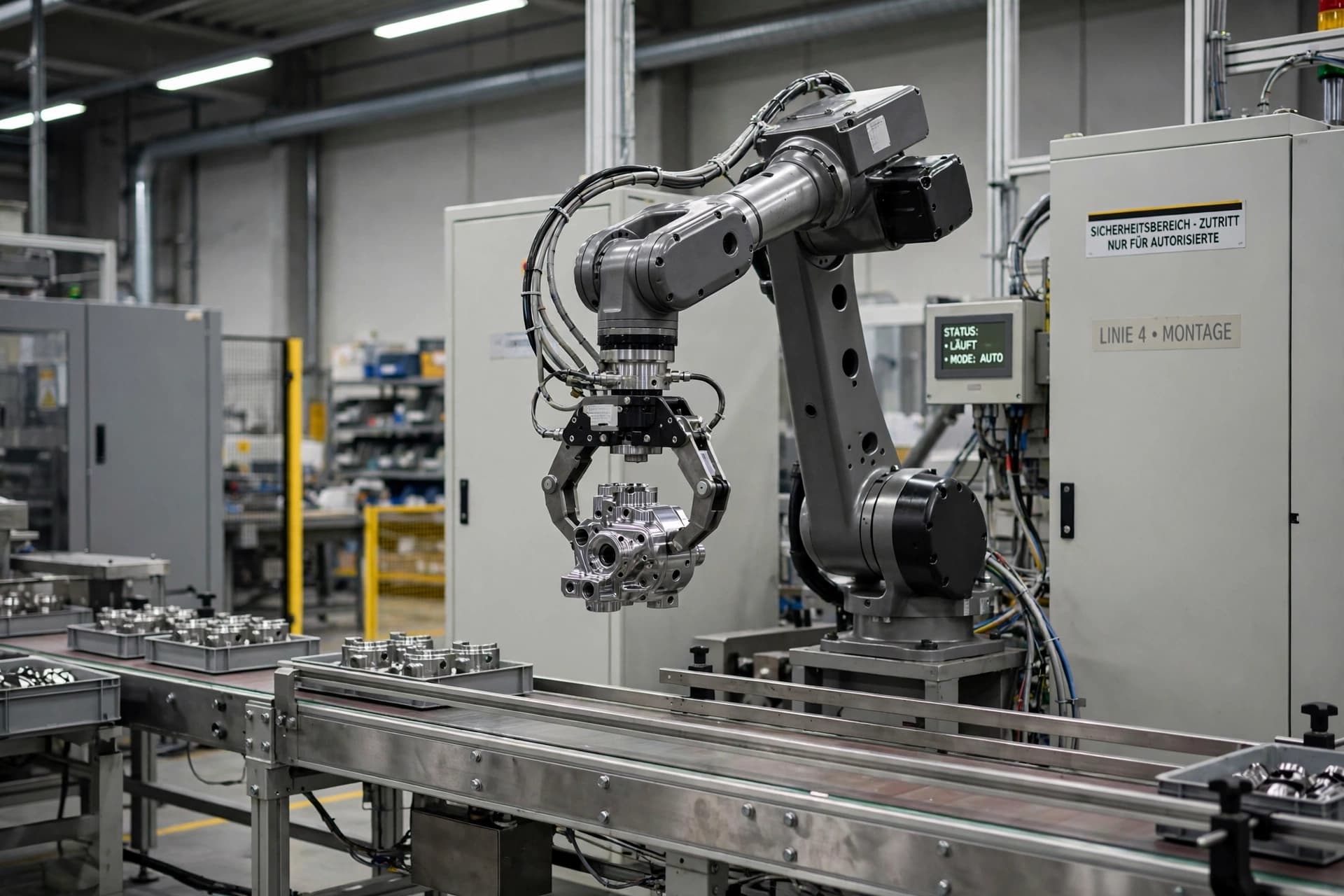
AI Image Disclaimer: The accompanying visuals were created with AI as conceptual representations of Indonesia’s developing artificial-intelligence infrastructure.
Sources:
Reuters Ministry of Communication and Digital Affairs of Indonesia National Research and Innovation Agency (BRIN) Statistics Indonesia (BPS) Asian Development Bank
Published by Banx Network. This article is part of the Banx decentralized media programme, powered by the BXE token on the XRP Ledger.