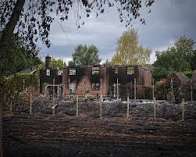
The Pacific coast of northern Chile often appears immovable beneath the evening sky. Fishing boats drift gently near crowded harbors while distant hills fade into darkness beyond the shoreline. Yet beneath that stillness lies a restless boundary of shifting tectonic forces, moving silently below the sea until the earth suddenly reminds entire communities of its presence.
A strong earthquake struck the northern Chilean coast this week, sending tremors through residential districts, commercial centers, and coastal communities across the region. Residents rushed outdoors as buildings swayed and emergency alarms echoed through several cities during the nighttime shaking.
Witnesses described shelves falling inside homes and businesses while electrical cables moved visibly above narrow streets. In apartment complexes near the coast, families gathered outside carrying blankets, phones, and emergency bags as aftershock warnings circulated through local broadcasts and social media updates.
Authorities immediately began inspections of public infrastructure, including hospitals, schools, and transportation systems throughout affected districts. Emergency officials stated that early assessments showed limited structural damage, though engineers continued evaluating older buildings vulnerable to seismic activity.
Chile’s geography has long been shaped by earthquakes tied to the movement of the Nazca and South American tectonic plates beneath the Pacific Ocean. Along northern coastal regions, residents live with constant awareness that even ordinary evenings can shift abruptly beneath their feet.
Fishing communities near the shoreline temporarily suspended harbor operations while tsunami monitoring systems remained active following the quake. Though officials later ruled out major tsunami threats, emergency agencies urged residents to remain alert for possible aftershocks during the night.
Public transportation services in some cities slowed briefly as crews inspected rail lines, tunnels, and bridges for potential damage. In hospitals and emergency shelters, generators and backup systems were placed on standby while authorities coordinated response efforts across multiple municipalities.
As dawn approached, streets gradually filled again with cautious movement. Shop owners reopened storefronts carefully while municipal workers documented cracked walls, fallen debris, and minor damage scattered across urban districts touched by the tremors.
Government officials later confirmed that no widespread casualties were immediately reported. Seismic monitoring agencies continue tracking aftershock activity along northern Chile’s Pacific coastline.
Published by Banx Network. This article is part of the Banx decentralized media programme, powered by the BXE token on the XRP Ledger.