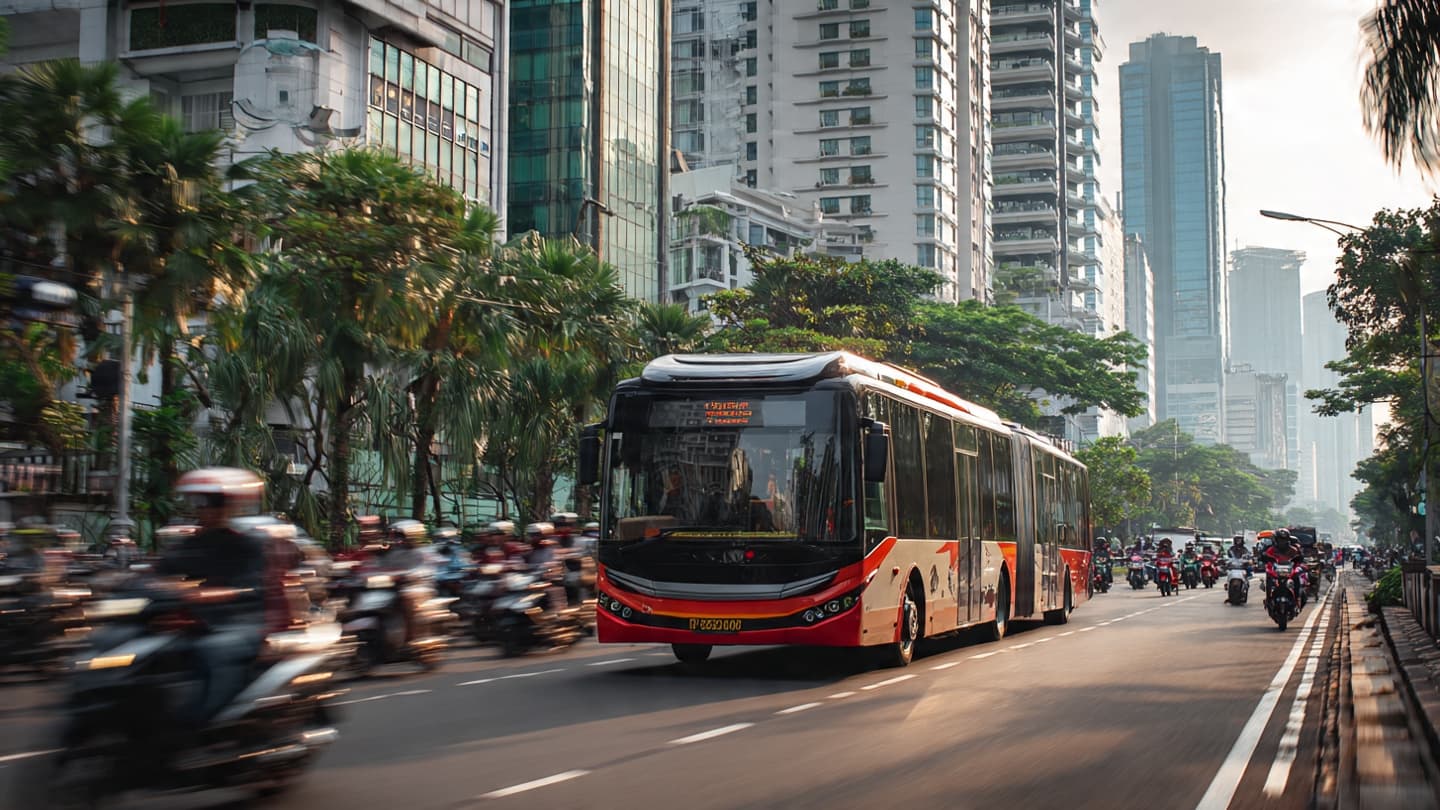
Every morning, Jakarta's roads begin moving before the city is fully awake. Motorcycles flow between cars, buses gather passengers and streets fill with the sound of engines. Increasingly, another sound—or the absence of one—is becoming part of that landscape as electric public transportation expands.
Indonesia has been increasing its investment in electric mobility, particularly in major cities. Jakarta has introduced electric buses into its public transportation network, while other cities are exploring electric buses, cars and motorcycles as part of broader efforts to modernize urban mobility.
Electric buses offer an immediate change at street level. Their motors are quieter than conventional diesel engines, and they produce no tailpipe emissions while operating. For densely populated cities, those characteristics can be important as governments look for ways to reduce urban air pollution.
The transition, however, depends on infrastructure. Electric buses require charging facilities, appropriate electricity capacity and maintenance systems. Operators must also plan routes around charging requirements, ensuring vehicles can complete their journeys without unnecessary interruptions.
Indonesia's growing electric-vehicle ecosystem is helping support that transition. Domestic battery production, vehicle assembly and charging infrastructure are developing alongside consumer demand. The country's nickel resources have attracted investment into battery supply chains, creating an industrial foundation for wider electrification.
Motorcycles may prove especially important. Two-wheelers dominate transportation in many Indonesian cities, and electric motorcycles can potentially reach consumers who may not consider an electric car practical or affordable. Several manufacturers have introduced electric models, while government programs have encouraged adoption through incentives.
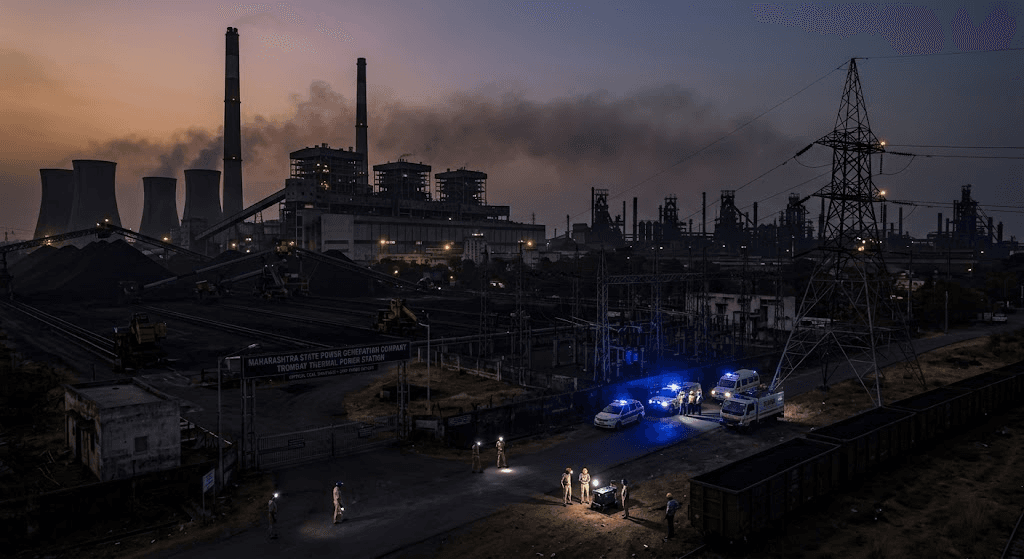
The environmental benefits depend partly on the electricity system. Indonesia still relies heavily on coal-fired power generation, meaning that an electric vehicle charged from the grid is connected indirectly to the country's broader energy mix. As renewable-energy capacity grows, the emissions profile of electric transport can improve further.
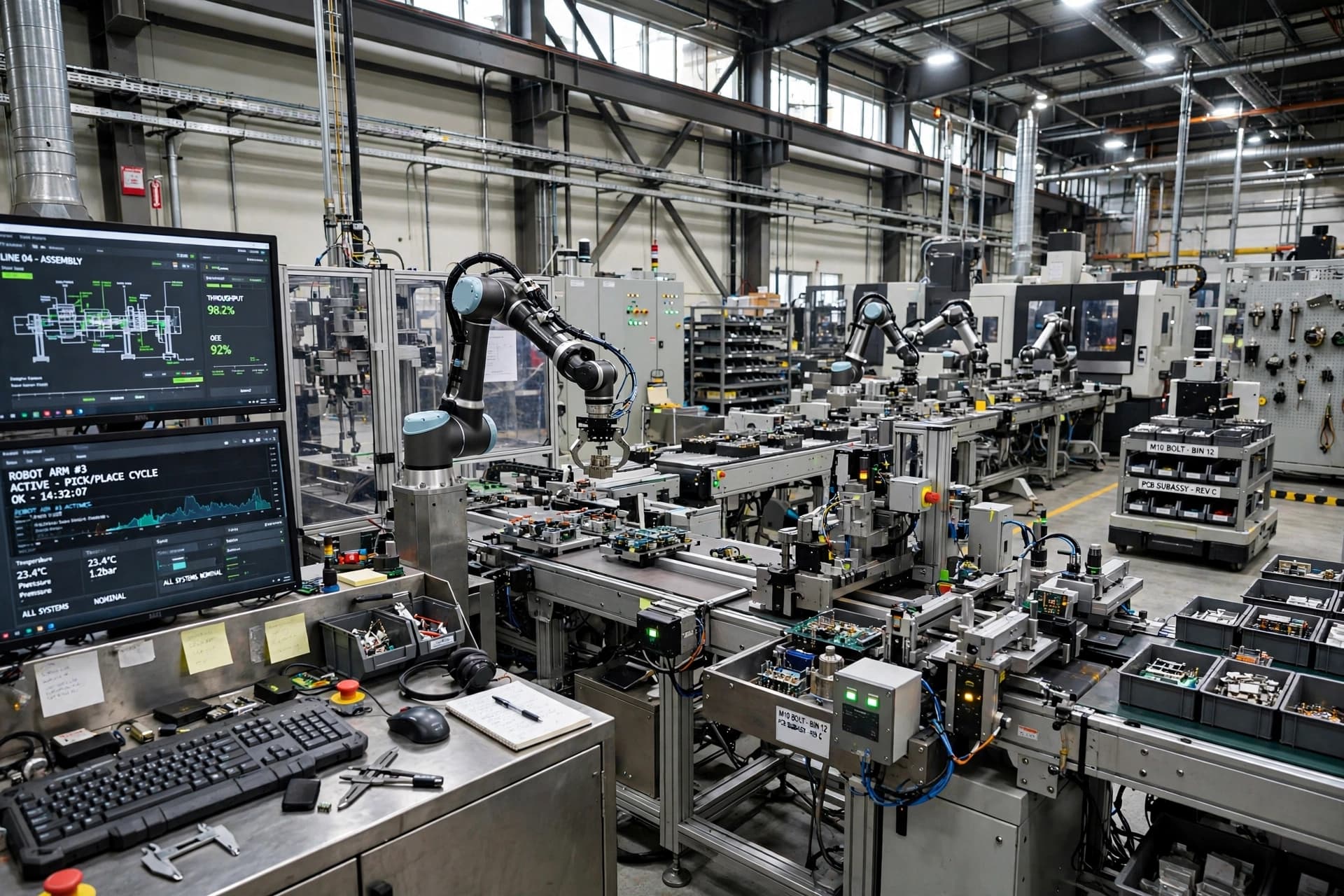
There is also an economic dimension. Electric vehicles have fewer moving parts than conventional engines, potentially changing maintenance requirements and creating demand for new technical skills. Mechanics, engineers and transport operators will need to become familiar with batteries, electric drivetrains and digital control systems.
For public transport, electrification can also be part of a larger urban strategy. Cleaner buses matter most when they are reliable, affordable and well connected to other forms of transportation. The technology is only one component of a system that includes routes, stations, schedules and the daily habits of millions of passengers.
Indonesia's electric-mobility transition is still developing, but its direction is becoming increasingly visible on city streets. Electric buses are moving through Jakarta, charging stations are appearing in more locations and manufacturers are expanding their product lines. The change will not happen overnight, but the vehicles of Indonesia's urban future are already beginning to share the road with those of its past.
SEO-friendly Slug indonesia-electric-public-transport-jakarta-urban-mobility
Hashtags #Indonesia #ElectricVehicles #PublicTransport #Jakarta #CleanEnergy #Technology #Sustainability
Image Disclaimer The illustrations in this article were generated by AI and are conceptual representations, not photographs of actual transportation scenes.
Sources Reuters Ministry of Transportation Republic of Indonesia International Energy Agency
Published by Banx Network. This article is part of the Banx decentralized media programme, powered by the BXE token on the XRP Ledger.