In the industrial haze of early morning, cargo cranes move in deliberate arcs along the eastern seaboard. Containers shift from rail to ship with mechanical precision, their contents cataloged in codes and customs declarations. Trade, in its quiet choreography, rarely announces the tensions that shape it. Yet sometimes, beneath the steady rhythm of commerce, policy redraws the map.
This week, China added 20 Japanese entities to a dual-use export control blacklist, a move that folds technology, security, and diplomacy into a single administrative gesture. The designation restricts the export of certain items that could serve both civilian and military purposes, tightening the regulatory gate through which sensitive goods pass.
The announcement came through China’s commerce authorities, who cited national security considerations in applying the restrictions. Companies placed on the list will face limitations on acquiring specified Chinese-origin products or technologies deemed “dual-use” — materials and components capable of functioning in commercial industries as well as defense systems.
In Japan, officials responded cautiously, signaling concern while reviewing the scope of the restrictions. Japan and China share deep economic interdependence despite persistent political strain. Supply chains in electronics, advanced manufacturing, and precision engineering often cross the East China Sea multiple times before a final product reaches global markets.
Dual-use controls have become a defining feature of modern trade policy. Microelectronics, advanced materials, optical systems — technologies once viewed as neutral instruments of innovation — now sit at the center of strategic competition. Governments increasingly frame export rules not only as economic regulation but as extensions of national defense.
The blacklist arrives amid a broader recalibration of regional security architecture. Japan has strengthened security partnerships with Western allies, expanded defense spending, and adjusted its strategic posture in response to shifting dynamics in East Asia. Beijing, in turn, has emphasized sovereignty and technological self-reliance, embedding export control mechanisms within its wider economic strategy.
For businesses, the practical implications may unfold gradually. Contracts will be reviewed. Compliance teams will parse regulatory language. Engineers may reconsider sourcing decisions. While the number — twenty entities — appears limited, the symbolic weight is larger, reflecting the delicate balance between cooperation and competition in Asia’s interconnected economies.
Markets tend to respond not only to direct impact but to signal. Export controls can introduce friction into already complex supply chains, particularly in sectors dependent on specialized components. Analysts note that while overall bilateral trade remains substantial, targeted restrictions contribute to an incremental decoupling in sensitive industries.
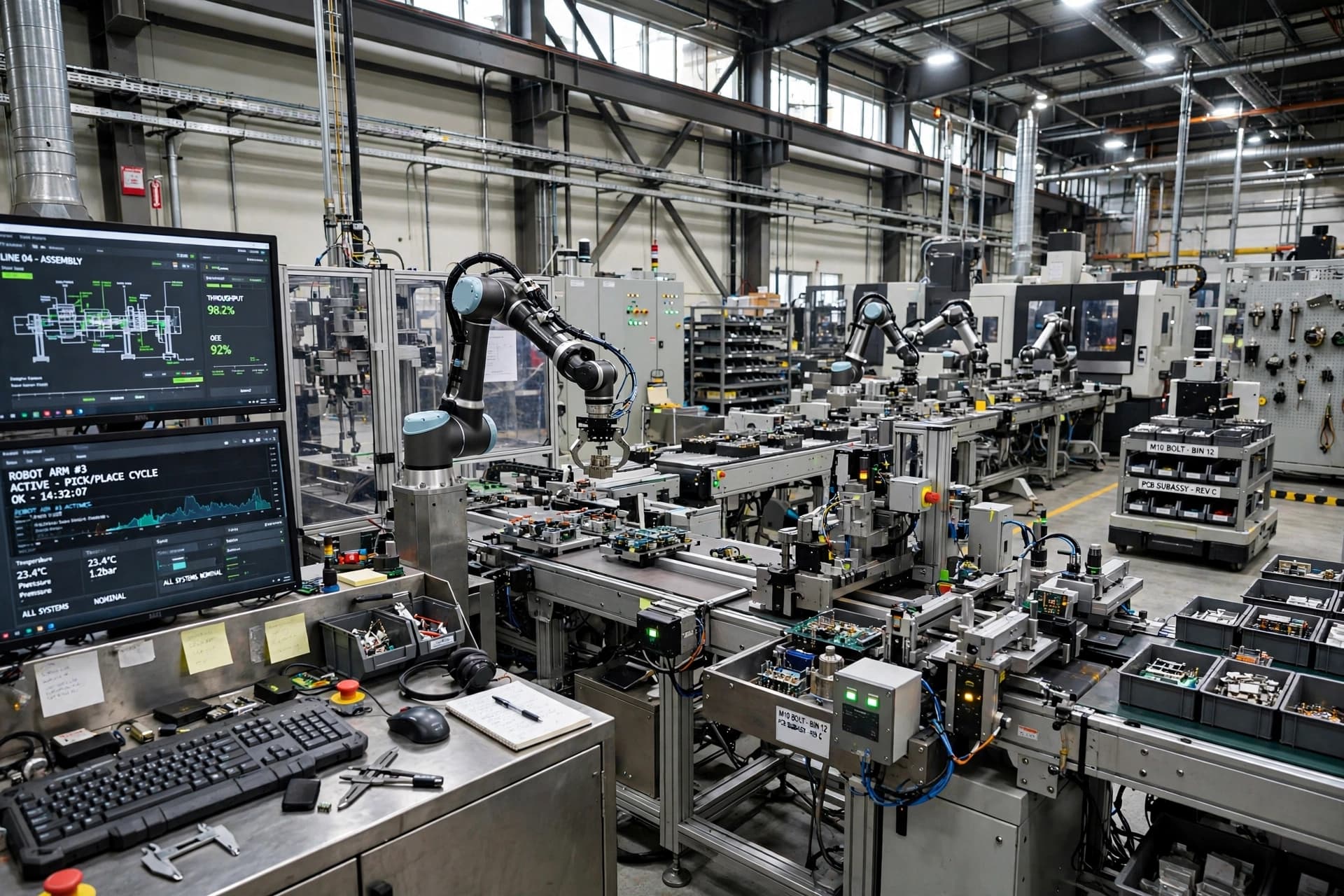
On factory floors in Osaka and Shenzhen, production continues. Circuit boards are assembled, optical lenses polished, industrial robots calibrated. Yet in executive offices and government ministries, strategy sessions now account for another variable — the evolving boundary between commerce and security.
Diplomatic channels remain open. Historically, economic disagreements between the two nations have been managed through negotiation as much as regulation. Whether this latest measure deepens strain or settles into procedural routine will depend on how both sides interpret its intent.
As evening falls over the ports of Shanghai and Yokohama, ships still depart on schedule. Trade does not halt easily. But with each new control and countermeasure, the architecture of exchange grows more intricate — a reminder that in the twenty-first century, the movement of technology carries not only profit, but power.
Published by Banx Network. This article is part of the Banx decentralized media programme, powered by the BXE token on the XRP Ledger.