The industrial zones of Sharjah represent the engine of the region’s economic life, a landscape of steady production where the conversion of raw materials into utility follows a predictable, well-engineered path. This environment is built upon the promise of controlled variables, where safety is the cornerstone of every process. When that control is lost, the sudden eruption of energy is not just a failure of equipment, but a stark interruption of the order that sustains our daily convenience.
An industrial blender, a vital component of a local chemical plant’s production line, suffered a catastrophic failure that resulted in an explosion. The event occurred during standard operations, turning a space of systematic manufacturing into an environment of sudden danger. For the two factory operators working in close proximity to the equipment, the shift from routine task to fatal encounter was instantaneous, a reminder of the latent power contained within industrial machinery.
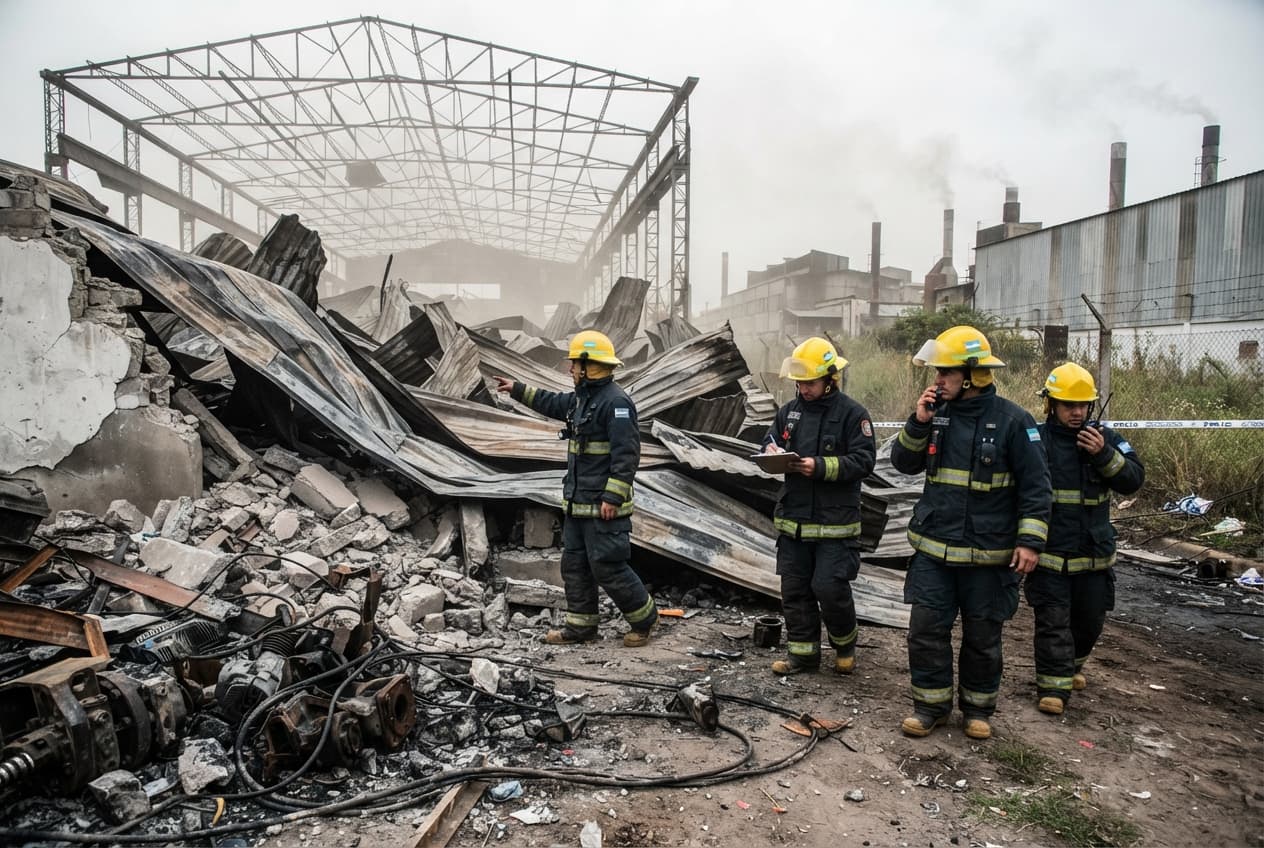
Emergency response teams were on the scene quickly, working to suppress the secondary hazards caused by the explosion and securing the facility to prevent further damage. The complexity of a chemical environment meant that the rescue operation had to be executed with extreme care, balancing the need for speed with the necessity of ensuring that the surrounding infrastructure remained stable.
Tragically, the two operators succumbed to their injuries, a loss that has resonated deeply within the industrial community. These men, who dedicated their skills to the functioning of the plant, were at the front line of the production process. Their loss is a somber acknowledgment of the unseen hazards that persist even in the most tightly regulated environments, where the margin for error is often razor-thin.
The investigation into the failure of the blender is now the primary focus for safety inspectors and forensic engineers. They are analyzing the maintenance logs, the operational pressures, and the structural integrity of the machine to determine what sequence of events led to the explosion. This analysis is not only a search for accountability but a vital effort to understand the technological vulnerabilities that might exist across similar systems.
As the plant remains temporarily suspended, the atmosphere in the industrial zone is one of quiet reflection. The incident has prompted a broader conversation about the rigors of safety testing and the importance of ensuring that high-pressure industrial equipment is maintained to the highest possible standard. For the company and its employees, the focus is now on honoring the fallen and re-evaluating the safety culture of their operations.
The human element of industrial safety is often overlooked until a tragedy occurs. The families of the operators are left to navigate the profound void created by this event, supported by the community and the firm. The recovery of the facility will take time, both in physical repair and in the restoration of the morale and confidence that are essential for the workforce to function effectively.
Looking forward, the lessons from this explosion will likely influence the industry’s approach to equipment monitoring and emergency response. The drive toward a more robust safety framework is the only positive outcome that can be salvaged from such a loss. The commitment to ensuring that workers can return home at the end of their shifts is a responsibility that rests heavily on the shoulders of the entire industrial sector.
The investigation into the explosion remains the current priority for local authorities and labor officials. The facility is closed while a full safety audit is conducted. Further details regarding the specific cause of the blender’s failure will be provided once the forensic team completes its comprehensive review of the site.
Published by Banx Network. This article is part of the Banx decentralized media programme, powered by the BXE token on the XRP Ledger.