
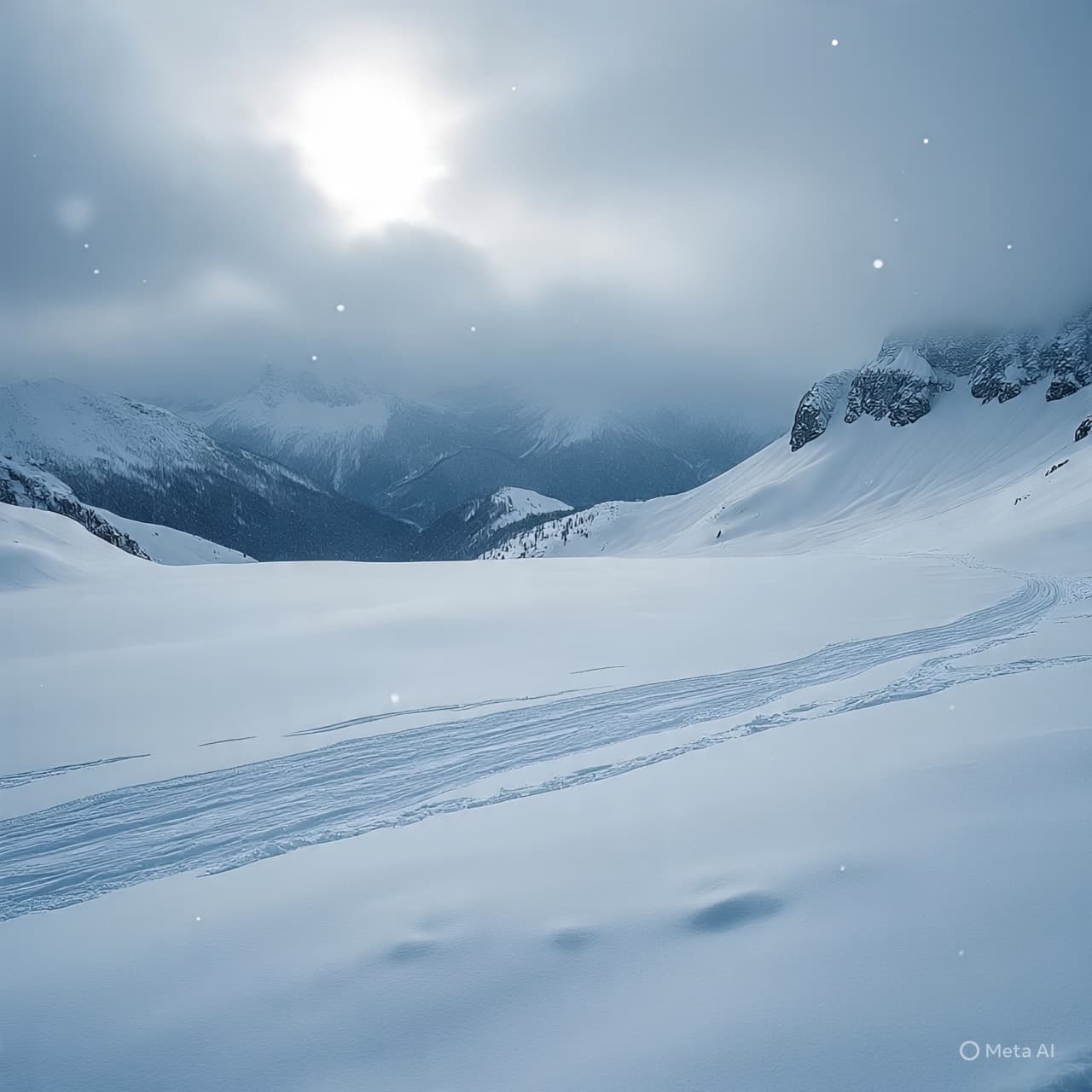
The mountains were already awake when the world turned its eyes toward winter sport. Snow lay clean and unbroken across Italy’s high ridges, absorbing sound, softening edges, holding the light in a way that makes altitude feel timeless. Below, preparations for the Winter Olympics moved with practiced efficiency—flames, flags, schedules—while above, the season reminded everyone that it is never only a backdrop.
Over the past week, thirteen people died in Italy’s mountains, a toll that rescuers described as unusually high for such a short stretch of days. Ten of those deaths were linked to avalanches, sudden releases of snow that can turn silence into force in seconds. The victims were spread across alpine terrain familiar to climbers, skiers, and local guides—places where winter recreation and risk have always coexisted, negotiated anew with each snowfall.
Avalanches are not rare in the Italian Alps, but their timing and frequency this week drew particular concern. Rapid weather shifts, heavy accumulations of fresh snow, and unstable layers beneath the surface combined into conditions that experts often describe as deceptively dangerous. Slopes that appeared calm could give way without warning, leaving little margin for escape even for experienced mountaineers.
Rescue teams worked against cold, terrain, and time. Helicopters lifted when visibility allowed. Ground crews moved deliberately through snowfields that could not be trusted twice. Each recovery added weight to a week that already felt heavy, especially as news of the deaths circulated alongside images of Olympic venues polished and ready.
The contrast was unavoidable. As the Winter Olympics began, Italy found itself holding two versions of winter at once. One was choreographed and contained, built on safety protocols, controlled courses, and predictable schedules. The other unfolded beyond fences and cameras, where weather and geography still set the terms. The mountains did not acknowledge the calendar, nor the ceremony.
Authorities and alpine safety organizations renewed calls for caution, urging climbers and backcountry skiers to consult avalanche bulletins, respect closures, and recognize how quickly conditions can change. These reminders are familiar, repeated every season, yet each winter finds new moments when confidence outruns caution, or when nature simply refuses negotiation.
By the end of the week, the numbers stood starkly: thirteen dead, ten taken by avalanches. Statistics like these tend to flatten individual stories, but in the mountains, each loss echoes—through communities that live with winter year after year, and through landscapes that appear unchanged even as they absorb memory.
As Olympic lights brighten stadiums and slopes groomed for competition, Italy’s higher ground remains what it has always been: beautiful, indifferent, and exacting. The snow settles again. Tracks disappear. And the season moves forward, carrying both celebration and grief in the same cold air.
AI image disclaimer
Illustrations were created using AI tools and are not real photographs.
Sources Italian Alpine Rescue ANSA Reuters Italian Civil Protection Department
Published by Banx Network. This article is part of the Banx decentralized media programme, powered by the BXE token on the XRP Ledger.


.jpg&w=3840&q=75 "Convicted War Criminal Ratko Mladić to Be Buried With Full State Honors")