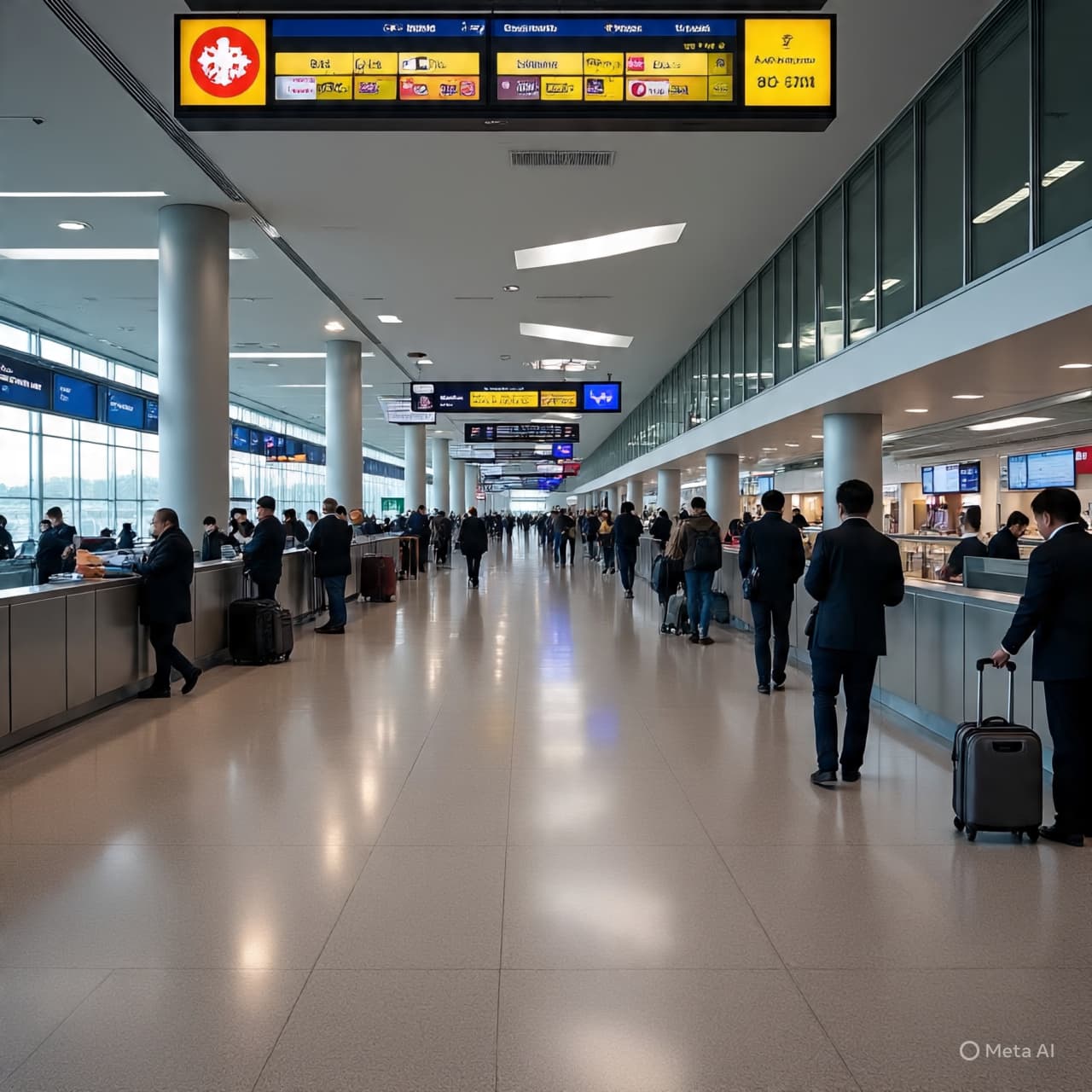
Travel, at its heart, is an expression of curiosity. It is the gentle crossing of borders not only by plane or ship, but by imagination and appetite — a willingness to step into another language, another winter sky, another table set for celebration. The Lunar New Year, in particular, has long been a season when airports swell and hotel lobbies glow with reunion and anticipation.
Yet this year, the rhythm has shifted. Reports indicate that fewer Chinese tourists chose to spend the holiday in Japan, a change that reflects a broader cooling in public sentiment between the two neighbors. Once one of the most popular overseas destinations for Chinese holidaymakers, Japan has seen a noticeable dip in arrivals from the mainland during what is typically one of the busiest travel periods on the calendar.
Industry data and travel agency reports suggest that bookings from China to Japan declined compared with previous peak seasons. Analysts point to diplomatic strains and public unease following disputes over issues ranging from trade tensions to environmental and historical sensitivities. In particular, controversy surrounding Japan’s release of treated wastewater from the Fukushima Daiichi Nuclear Power Plant has resonated strongly in China, influencing perceptions among potential travelers.
For many Chinese tourists, Japan once represented a convenient blend of proximity, cultural familiarity, and modern comfort. Cities such as Tokyo and Osaka were fixtures of Lunar New Year itineraries, offering shopping districts, culinary landmarks, and winter illuminations. The recent hesitation, therefore, is not merely a shift in travel preference but a signal of how geopolitics can ripple into everyday decisions.
Tourism operators in Japan have responded with measured concern. Chinese visitors historically accounted for a significant share of spending, particularly in retail and hospitality sectors. While Japan continues to welcome tourists from other regions, including Southeast Asia and North America, the absence of large Chinese tour groups during a peak holiday period has been felt.
Observers note that travel trends often mirror the broader diplomatic climate. When relations are warm, tourism flows tend to rise. When tensions deepen, even temporarily, consumer confidence may waver. Social media discussions in China have reflected skepticism about travel to Japan, with some travelers opting instead for domestic destinations or alternative countries in Asia.
At the same time, officials and analysts emphasize that people-to-people exchanges remain an important bridge. Cultural connections, educational programs, and business ties persist despite political differences. Travel patterns, while sensitive to sentiment, are also fluid and capable of recovery when conditions shift.
Airlines and tourism boards continue to monitor booking data closely. Some carriers have adjusted flight capacity, while Japanese regional tourism offices have stepped up outreach to other markets. The Lunar New Year period, once a predictable surge of arrivals, has become a more complex barometer of regional relations.
The current decline does not suggest a permanent rupture, but it does reflect a moment of recalibration. For travelers, the decision of where to celebrate is personal, shaped by emotion as much as economics. For governments, the movement of tourists can quietly reveal the temperature of ties.
Japanese tourism authorities have indicated they remain open to welcoming Chinese visitors and are watching developments carefully. Travel agencies in China continue to offer Japan packages, though demand appears softer than in previous years. Officials on both sides have not announced new tourism-specific restrictions, but diplomatic tensions remain part of the broader context.
As the holiday season concludes, industry data will offer a clearer measure of the shift. For now, the story is one of fewer flights filled and quieter shopping streets — a reminder that the currents of politics can, at times, alter even the most festive of journeys.
AI IMAGE DISCLAIMER Images in this article are AI-generated illustrations, meant for concept only.
SOURCE CHECK
Credible coverage found in:
Reuters BBC The Guardian Nikkei Asia South China Morning Post
Published by Banx Network. This article is part of the Banx decentralized media programme, powered by the BXE token on the XRP Ledger.