As diplomatic efforts continue across the Middle East, the conflict between Israel and Iran appears to be entering a new and uncertain phase. Like a fragile bridge stretching over restless waters, ceasefire initiatives have offered moments of calm while underlying tensions remain close to the surface.
International mediators have intensified discussions in recent weeks, hoping to preserve and strengthen ceasefire arrangements established after periods of heightened confrontation. Countries in the region, along with major global powers, have maintained active diplomatic engagement aimed at preventing further escalation.
Despite these efforts, security conditions across several parts of the Middle East remain tense. Military forces have stayed on alert, and officials continue to monitor developments carefully amid concerns that isolated incidents could disrupt ongoing negotiations.
Analysts say the relationship between Israel and Iran cannot be viewed in isolation. The broader regional landscape includes longstanding political rivalries, security concerns, and competing strategic interests that have evolved over decades.
Humanitarian organizations have also emphasized the impact of prolonged instability on civilian populations. Concerns over displacement, infrastructure damage, and access to essential services remain central to discussions among international agencies.
Financial markets have responded cautiously to developments. Energy traders continue to watch the region closely because disruptions in the Middle East can influence global oil prices and broader economic conditions.
Diplomatic representatives from several nations have repeatedly called for restraint. Behind closed doors, negotiations continue as governments seek mechanisms capable of reinforcing existing ceasefire arrangements and reducing the likelihood of renewed hostilities.
Experts note that sustained dialogue, even during periods of tension, often creates opportunities for de-escalation. While the path forward remains uncertain, many international actors continue to support diplomatic solutions.
For now, the situation remains fluid. The coming weeks may determine whether current diplomatic efforts can transform temporary calm into a more durable period of regional stability.
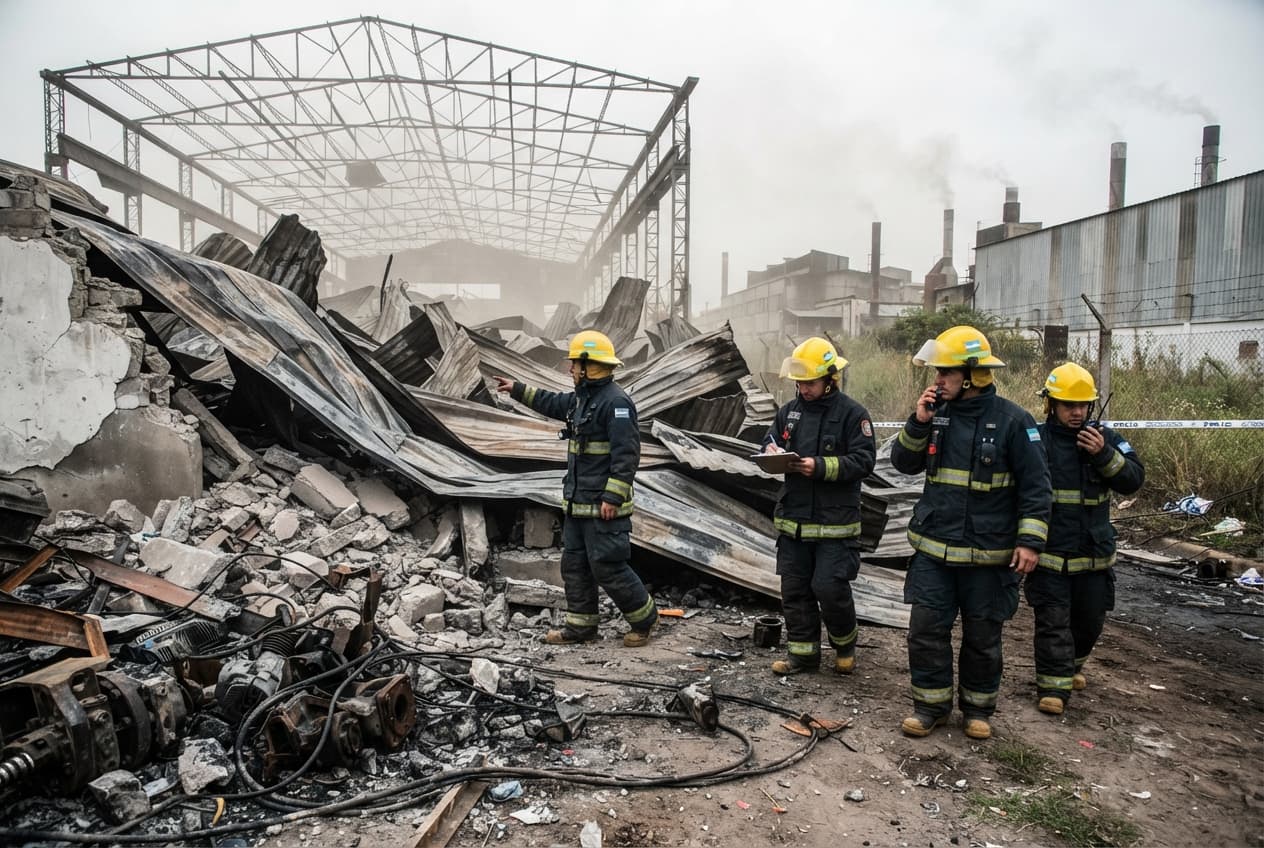
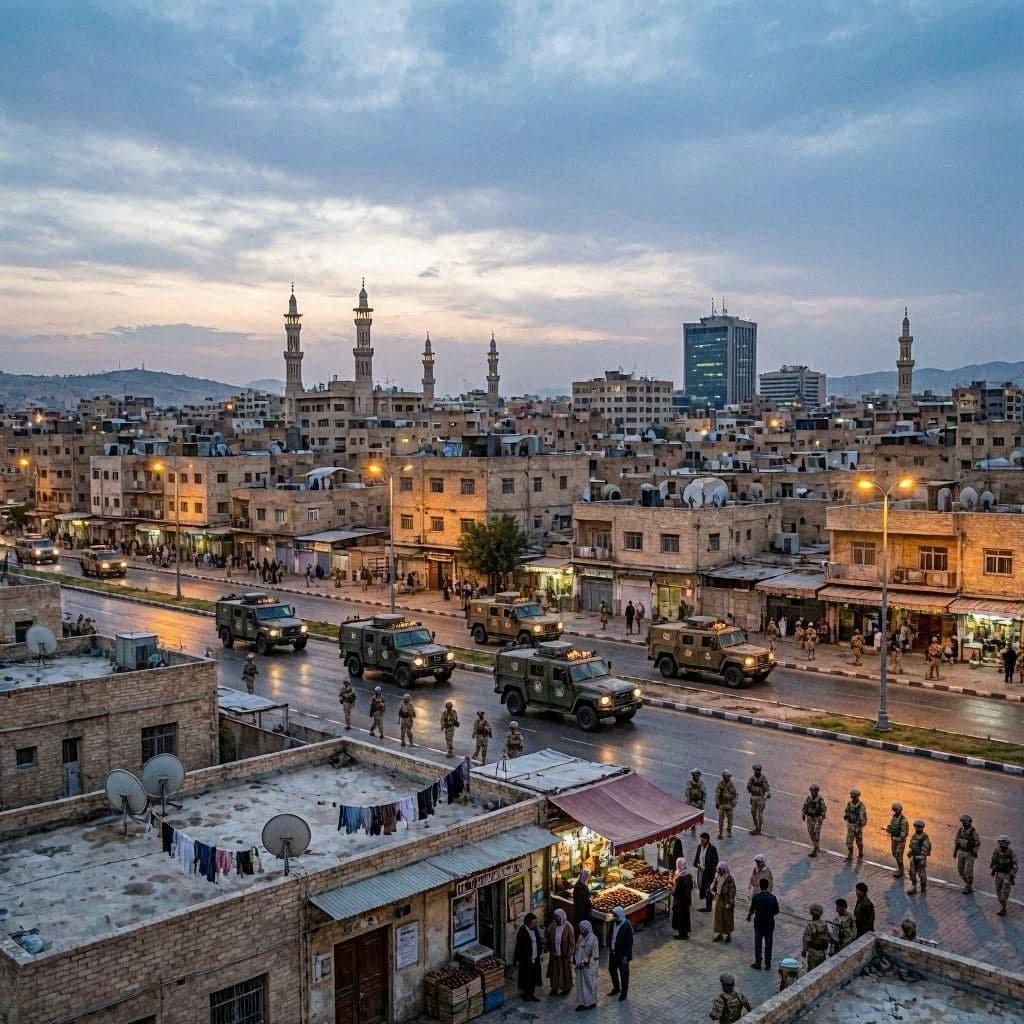
AI Image Disclaimer: Illustrative images accompanying this article were generated using artificial intelligence for visual representation purposes.
Source Verification Check: Reuters, Associated Press, BBC, Al Jazeera
Published by Banx Network. This article is part of the Banx decentralized media programme, powered by the BXE token on the XRP Ledger.