

Key Highlights
- Ongoing ceasefire efforts are being challenged by rising tensions in the Middle East.
- International mediators are actively engaged in discussions to prevent escalation.
- Humanitarian organizations highlight the severe impact of instability on civilian populations.
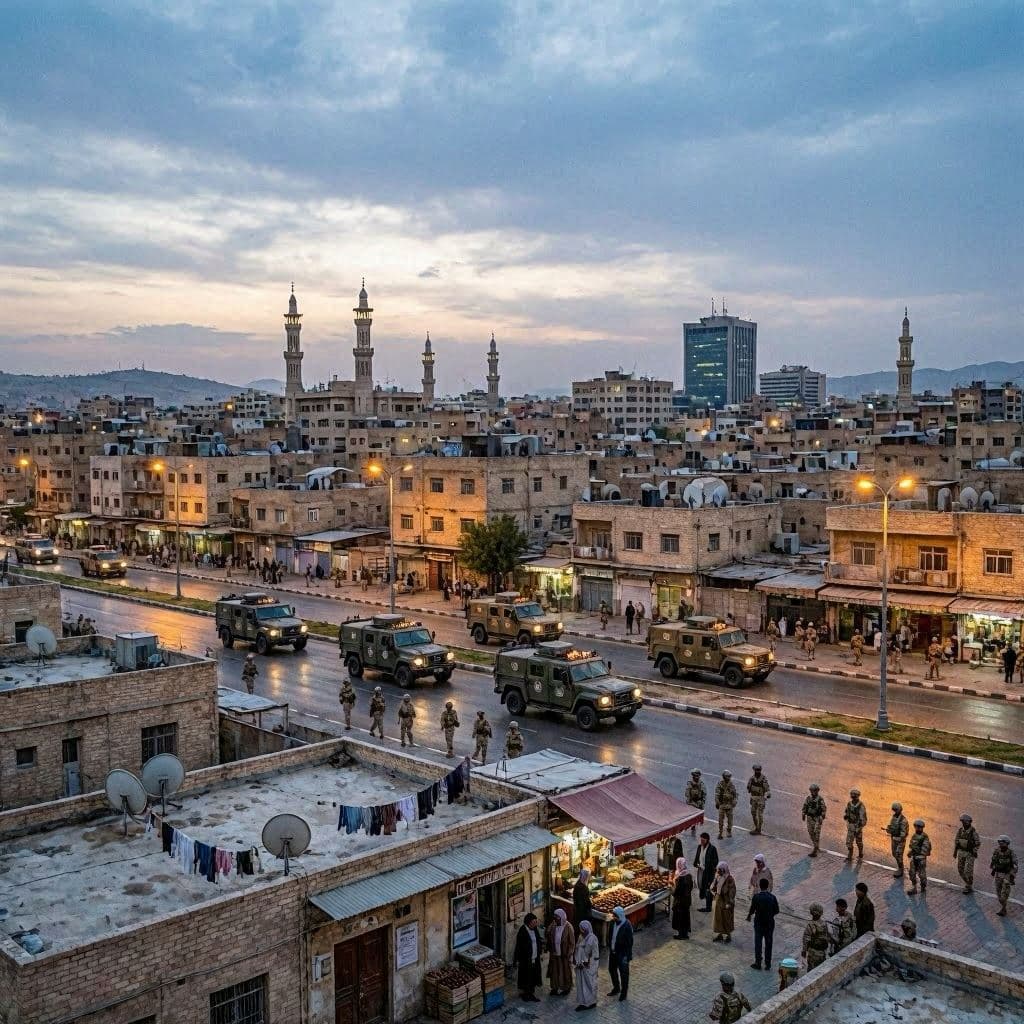
The Middle East is currently navigating a complex landscape of diplomacy and conflict, particularly in the ongoing tensions between Israel and Iran. Recent ceasefire initiatives have provided temporary relief, yet the underlying issues remain unresolved, creating a precarious situation that could easily tip back into violence. As international mediators ramp up their efforts, the stakes are high for both regional and global stability.
In recent weeks, discussions among key players have intensified, with the aim of reinforcing ceasefire agreements that were established after periods of significant confrontation. Countries within the region, along with major global powers, are actively participating in diplomatic dialogues to mitigate the risk of further escalation. However, the situation on the ground remains tense, with military forces on high alert and officials closely monitoring developments that could disrupt these fragile negotiations.
Analysts emphasize that the Israel-Iran relationship cannot be viewed in isolation. The broader geopolitical context includes a web of longstanding rivalries, security concerns, and competing interests that have developed over decades. This complexity makes it challenging to achieve lasting peace, as each party has its own set of priorities and historical grievances that influence their actions.
Humanitarian organizations are increasingly vocal about the dire consequences of prolonged instability on civilian populations. Issues such as displacement, damage to infrastructure, and access to essential services are central to the discussions among international agencies. The humanitarian impact of the conflict is a critical factor that cannot be overlooked, as it affects millions of lives in the region.
Financial markets are also reacting cautiously to the evolving situation. Energy traders are particularly vigilant, as any disruptions in the Middle East can have significant implications for global oil prices and economic conditions. The interconnectedness of the region's stability with global markets underscores the importance of diplomatic efforts to maintain peace.
Diplomatic representatives from various nations have consistently called for restraint and dialogue. Behind the scenes, negotiations are ongoing as governments seek to establish mechanisms that can reinforce existing ceasefire arrangements and minimize the risk of renewed hostilities. Experts suggest that sustained dialogue, even amid tensions, can create opportunities for de-escalation and conflict resolution.
As the situation continues to evolve, the coming weeks will be crucial in determining whether current diplomatic efforts can lead to a more stable and peaceful Middle East. The international community remains hopeful that through continued engagement and negotiation, a path toward lasting peace can be forged, transforming temporary calm into a more durable state of regional stability.
Published by Banx Network. This article is part of the Banx decentralized media programme, powered by the BXE token on the XRP Ledger.




