
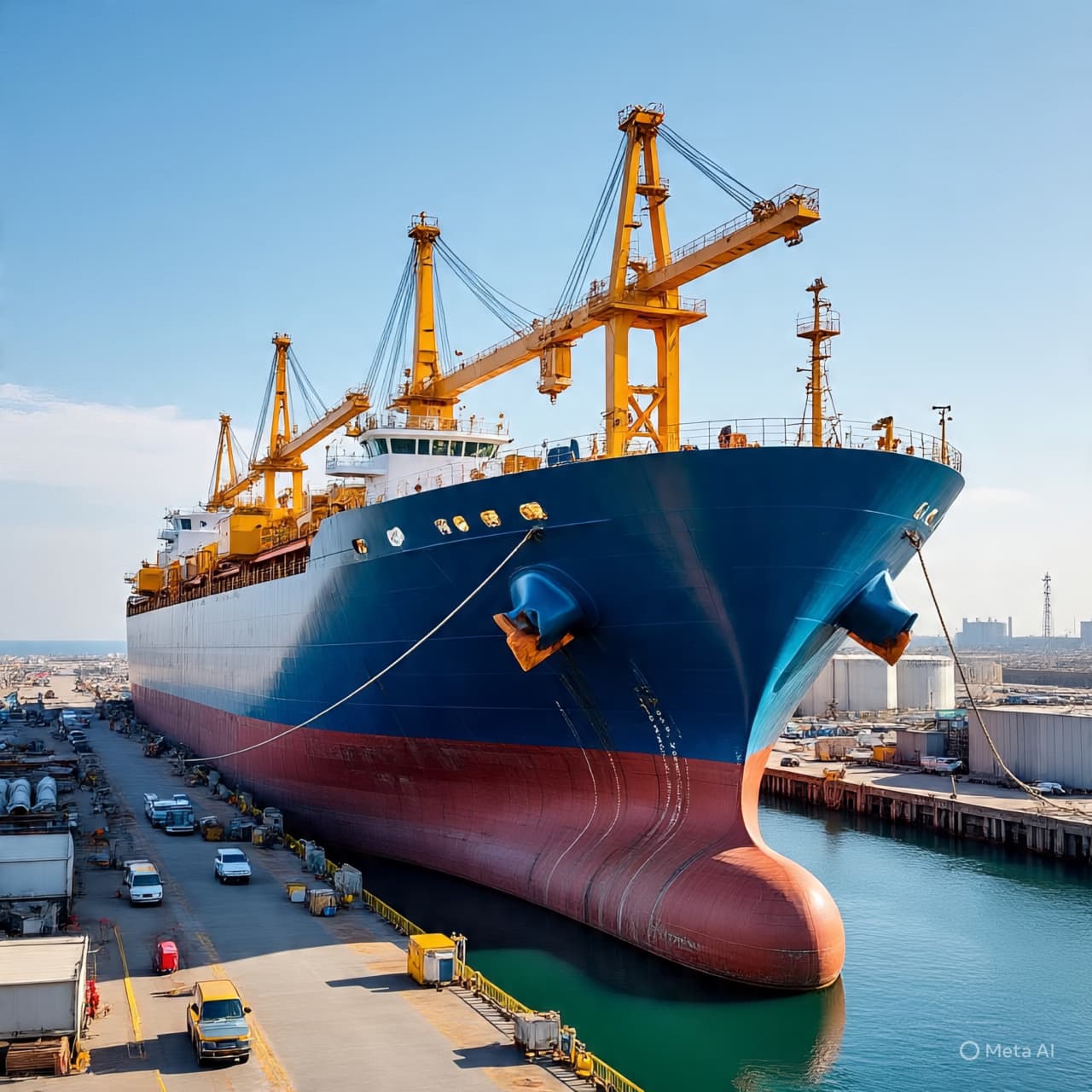
Key Highlights
- Saudi Arabia continues oil exports from the Red Sea despite regional tensions.
- The Red Sea corridor is crucial for maintaining global oil supply stability.
- Ongoing geopolitical uncertainties prompt vigilance among operators and governments.
Saudi Arabia's oil exports from its strategic Red Sea ports remain steady, even as regional tensions cast a shadow over the surrounding waters. This decision not only reflects operational continuity but also serves as a broader signal of stability in a time of uncertainty. The Red Sea corridor, particularly through ports like Yanbu, has gained importance as an alternative route for oil shipments, especially when politically sensitive areas like the Strait of Hormuz face potential disruptions.
The significance of the Red Sea corridor extends beyond logistics; it acts as a strategic valve that can alleviate pressure when other channels are constrained. However, this alternative route is not entirely insulated from the geopolitical dynamics at play. Ongoing maritime security concerns and conflicts in nearby regions have raised questions about the resilience of these shipping routes. Recent attacks on vessels in the vicinity have heightened the need for vigilance among operators and governments, emphasizing the precarious nature of oil transport in the region.
Saudi Arabia's decision to maintain its oil exports carries both practical and symbolic implications. Practically, a steady output helps reassure global markets, where even minor disruptions can lead to significant fluctuations in prices and supply expectations. Energy traders and importing nations closely monitor developments in the region, understanding that continuity in one corridor can offset instability in another.
Symbolically, this move conveys confidence—an assertion that, despite the challenges, key infrastructure remains secure and operational. This message is directed not only at market participants but also at international partners and observers, reinforcing the notion that Saudi Arabia is committed to maintaining its role as a reliable energy supplier.
Yet, the phrase "for now" resonates with quiet significance. It acknowledges the fluidity of the current situation, where decisions are made in a constantly shifting environment. While exports continue, contingency planning is crucial, with authorities prepared to adapt should circumstances change. This balance between continuity and caution characterizes the present moment in global energy markets.
For the global energy landscape, the implications are immediate. Stable oil flows from the Red Sea contribute to a sense of equilibrium, even as other parts of the region experience heightened tensions. Prices, while responsive to broader developments, are influenced by the reassurance that key supply lines remain active. The interconnected nature of maritime routes means that events in one part of the Middle East can quickly impact another, linking the Red Sea, the Gulf, and beyond in a network of shared vulnerability and mutual dependence.
Beyond oil, this situation reflects a broader narrative about resilience—the ability of systems to function amid uncertainty. Saudi Arabia's ongoing exports exemplify this resilience, showcasing how infrastructure, planning, and policy work together to sustain continuity. However, resilience does not equate to permanence. The coming days and weeks are likely to bring further developments as regional dynamics evolve. Observers note that while current operations remain steady, ongoing monitoring will be essential, with decisions shaped by both immediate conditions and longer-term considerations.
For now, the flow of oil continues—tankers depart, routes are maintained, and markets remain watchful. This moment is defined not by resolution but by persistence, where stability is measured not in certainty but in the ability to keep moving forward. Officials indicate that exports are expected to continue under current conditions, while remaining subject to review as the regional environment develops. Updates are anticipated as new information emerges and as the balance between risk and continuity continues to be assessed.
Published by Banx Network. This article is part of the Banx decentralized media programme, powered by the BXE token on the XRP Ledger.



