
Key Highlights
- Tattoo Studios:Nearly 1,000 tattoo shops operate across the Netherlands.
- Popularity:About 30% of the Dutch population has at least one tattoo.
- Cultural Shift:Tattoos have transitioned from subculture symbols to mainstream acceptance.
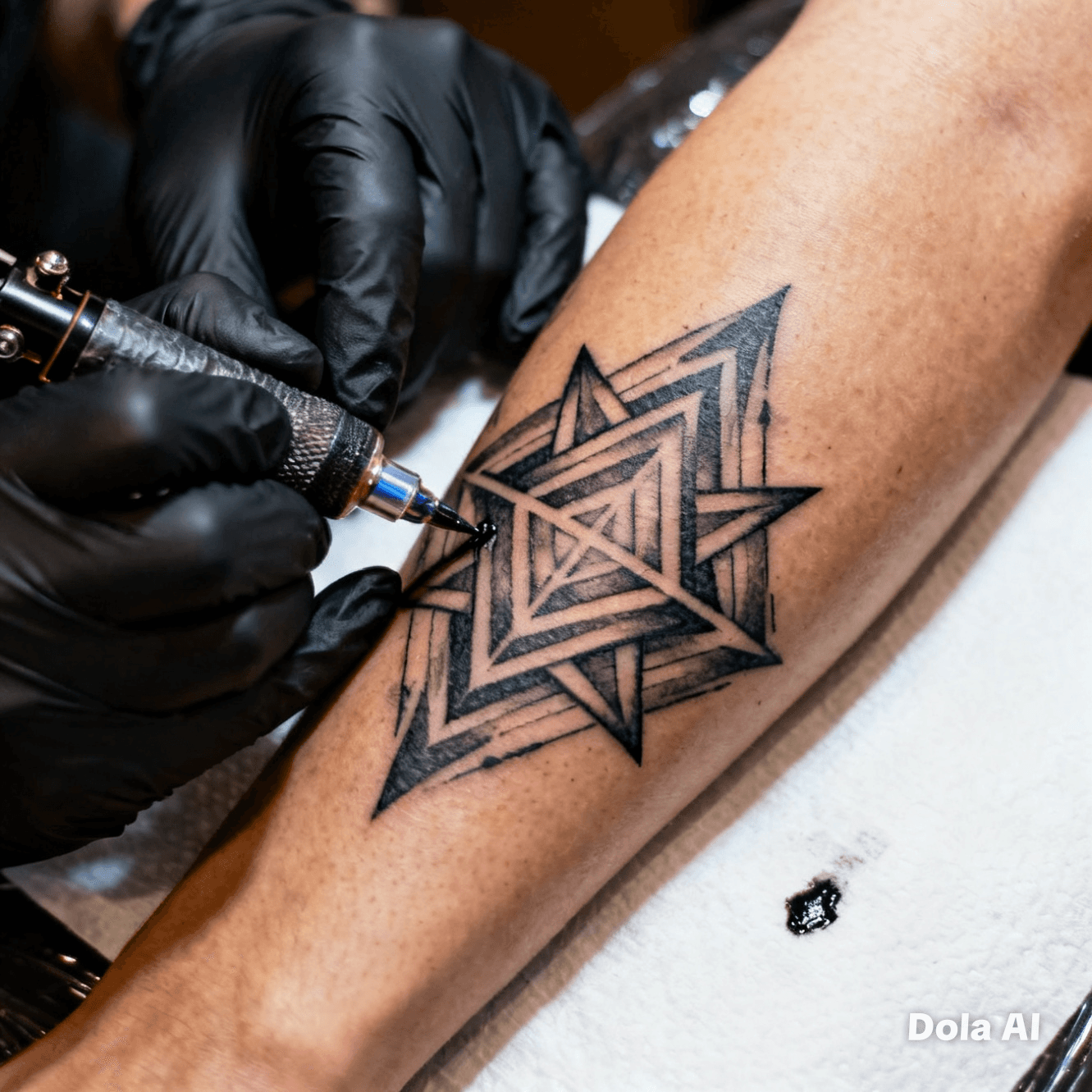
The Netherlands has witnessed a remarkable transformation in its tattoo culture, evolving from a niche interest to a vibrant expression of identity. With approximately 929 tattoo studios scattered throughout the country, these establishments serve as creative hubs where personal stories and artistic visions come to life on skin. Each studio, whether a solo artist's workshop or a bustling collective, contributes to a rich tapestry of creativity and self-expression.
This growth in tattoo culture reflects broader societal changes. Once associated primarily with subcultures, tattoos have become increasingly mainstream, embraced by individuals from diverse backgrounds. Recent studies indicate that about three in ten Dutch citizens sport at least one tattoo, highlighting the normalization of body art across various age groups. As people stroll through urban centers like Amsterdam, it is common to encounter intricate tattoos adorning arms, legs, and necks, signaling a shift in public perception.
The rise of tattoos is not merely a trend; it signifies a deeper cultural phenomenon. Tattoos are now viewed as a legitimate form of art and self-expression, allowing individuals to commemorate significant life events, express personal beliefs, or simply showcase their creativity. Cultural commentators emphasize that this shift has democratized body art, making it accessible and meaningful to a broader audience.
However, the increasing popularity of tattoos has sparked discussions about their permanence. Some voices in the community advocate for thoughtful consideration before committing to a design, urging individuals to reflect on the long-term implications of their choices. This dialogue underscores the importance of understanding the significance of tattoos beyond their aesthetic appeal.
In urban areas like Amsterdam, the concentration of tattoo studios creates a vibrant scene that attracts both locals and tourists. These shops often become cultural landmarks, contributing to the city's artistic landscape. In contrast, smaller towns offer unique tattoo experiences, with local artists infusing their work with regional influences, thereby enriching the community fabric.
Ultimately, the rise of tattoo culture in the Netherlands illustrates a broader narrative of changing norms around self-expression and identity. What was once a fringe practice has blossomed into a multifaceted movement that celebrates individuality, creativity, and personal storytelling. As this trend continues to evolve, it will undoubtedly shape the cultural landscape of the Netherlands for years to come.
Published by Banx Network. This article is part of the Banx decentralized media programme, powered by the BXE token on the XRP Ledger.



