

Key Highlights
- Toronto serves as a backdrop for The Testaments, blending fiction and reality.
- Cast members frequent everyday locations, seeking normalcy amid production.
- Spaces like Le Swan and Trinity Bellwoods Park offer a respite from their roles.
In the world of film and television, cities often take on dual identities. They transform into fictional landscapes under the lens of a camera, while simultaneously retaining their essence as vibrant urban centers. Toronto, the setting for the acclaimed series The Testaments, exemplifies this duality. The cast, while immersed in their roles, also seeks refuge in the city's everyday spaces, where the lines between performer and spectator blur.
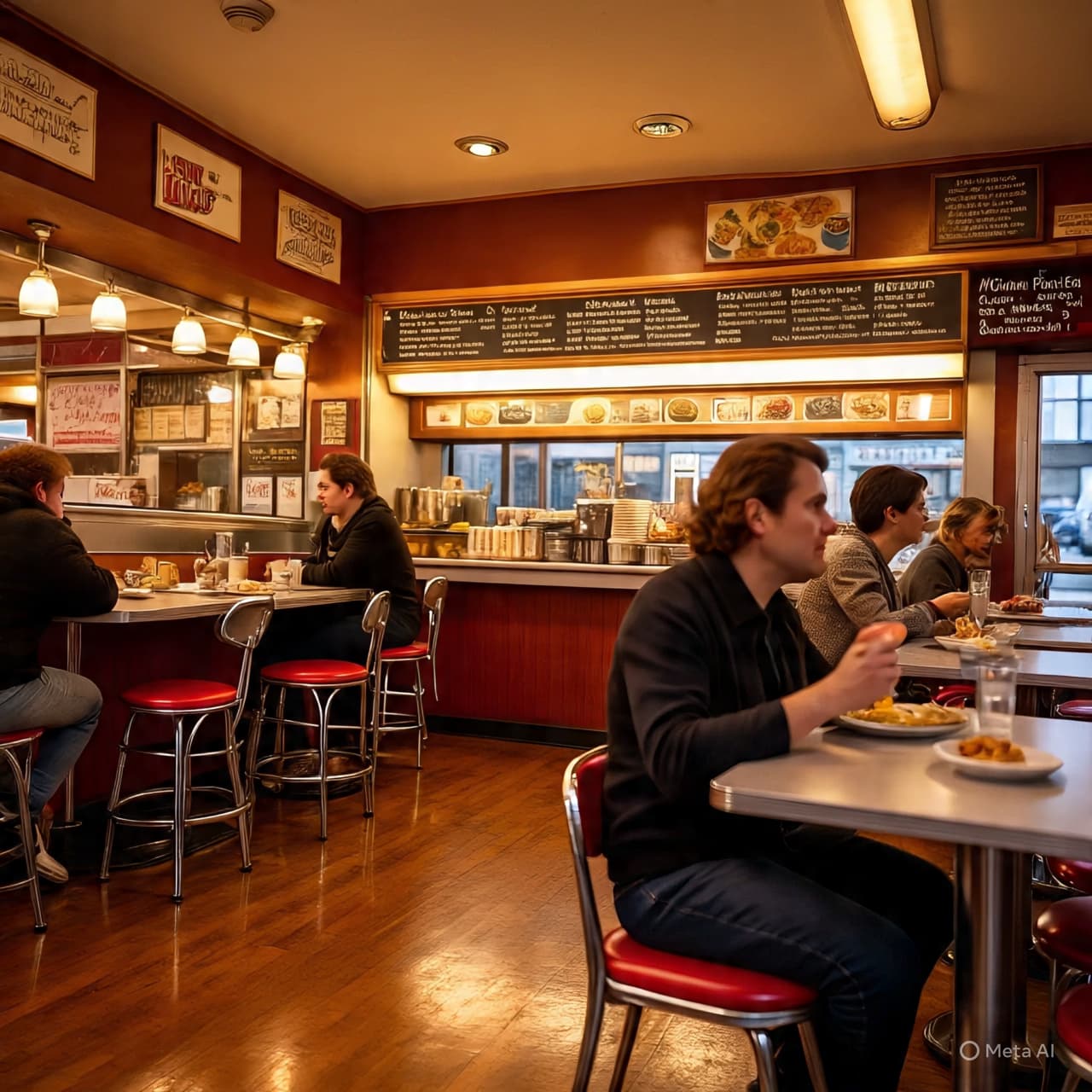
One such location is Le Swan, a charming diner that evokes a sense of nostalgia. With its warm lighting and classic menu, it provides a comforting escape for the cast. Here, actors can engage in unhurried conversations, allowing them to momentarily shed the weight of their intense narratives. The diner serves as a reminder that even in the midst of a high-profile production, the need for simplicity and connection remains paramount.
Not far from Le Swan lies Trinity Bellwoods Park, a green oasis in the heart of the city. This park becomes a canvas for the cast's everyday lives, where they can be seen strolling, resting, or simply observing the world around them. The park's open spaces invite a sense of calm, offering a stark contrast to the bustling energy of the film set. It is in these moments of stillness that the actors can reconnect with their surroundings and themselves, highlighting the importance of balance in their demanding careers.
Another notable spot is Winners, a retail store that embodies the essence of routine. Unlike the glamorous settings often associated with celebrity life, Winners represents the mundane yet comforting aspects of daily existence. Here, cast members can blend in with the crowd, engaging in the simple act of shopping. This return to normalcy allows them to step outside their roles and experience life as any other Torontonian would.
These locations collectively paint a softer portrait of life on set. Beyond the scripts and schedules, there are moments of pause—brief interludes where the pressures of storytelling give way to the lighter act of simply being. Toronto, with its ability to morph into various settings while remaining true to itself, becomes more than just a backdrop; it transforms into a temporary home for those who work within its bounds.
The presence of The Testaments cast in these everyday spaces reflects a deeper narrative: the continuity between fiction and reality. As stories unfold on screen, life persists in parallel, measured in shared meals, leisurely walks, and small purchases. These glimpses into their off-screen lives reveal a quieter truth about the human experience—one that values ordinary moments amidst the extraordinary demands of production.
Ultimately, the cast's interactions with Toronto's urban landscape remind us that even within the machinery of filmmaking, there exists a fundamental human need for connection and simplicity. These ordinary spaces serve as vital pauses, allowing life to resume, even as stories are being crafted for the screen.
Published by Banx Network. This article is part of the Banx decentralized media programme, powered by the BXE token on the XRP Ledger.




