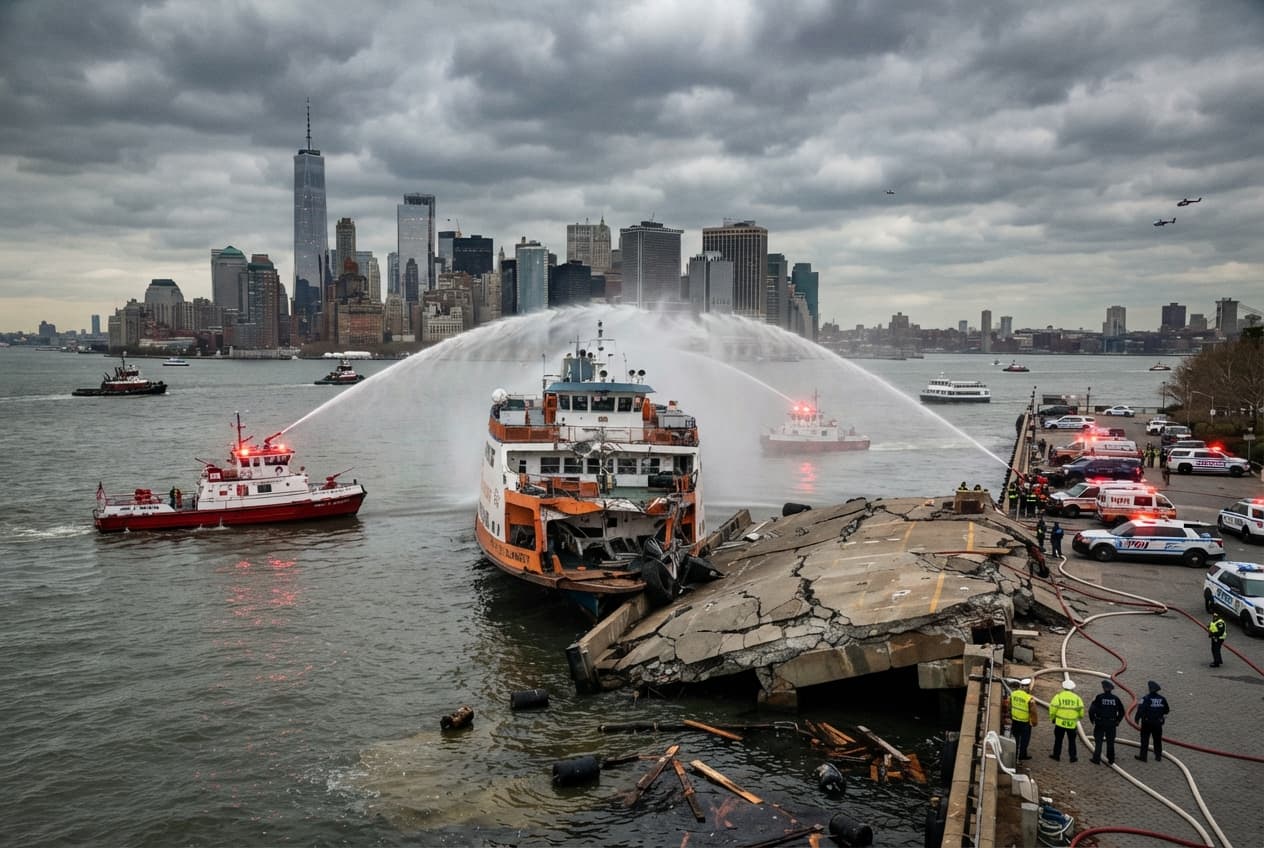
The Baltic Sea in winter holds a subdued light — half-blue, half-ashen — where fishing boats bob gently and the horizon seems almost indistinct from the sky. In such stillness, the movement of a single vessel can cast a ripple broader than its wake; and in the uncertain tides of geopolitics, words too are a kind of motion, capable of shaping the way nations see the water that binds and divides them.
Lately, those ripples have grown in strength. From Moscow’s corridors of power comes the message that the placid expanse of the Baltic might not remain untouched by the eddies of conflict. Russian officials, speaking from positions close to the Kremlin, have warned that their country might take naval measures in response to what they describe as attempts by NATO allies to restrict Russian shipping and to create a de facto blockade in the Baltic region. This is not the language of routine diplomacy but of tension taking a maritime shape, where the threat of action — even if not imminent — carries with it the gravity of national interest and history.
At the heart of these statements is a concern, as framed by Moscow’s representatives, that NATO countries are enhancing their naval postures near Russia’s western flank and could, in their view, reach as far as a blockade of the Kaliningrad exclave — a Russian territory perched between Poland and Lithuania, connected to the wider world by sea and dependent on maritime routes for goods and trade. Russian aides argue that any attempt to impede Russian vessels, including those linked to its energy exports, would violate international norms and might compel Russia to respond to ensure the free movement of ships and the security of its interests.
For those who watch the Baltic’s rolling surface and listen to the curlew’s cry overhead, it is an uneasy twist of expectation. The sea has long borne witness to centuries of shifting borders, fleets, and treaties; it is a maritime tapestry woven from commerce and conflict alike. Today’s warnings come against a backdrop of broader strains between Russia and Western alliances over sanctions, shipping controls, and the so-called “shadow fleet” of tankers that have been part of heated exchanges over energy trade. Underneath the rhetoric lies a question of how far naval presence and legal contention might be carried before the waves themselves become part of a more tangible confrontation.
Yet even as the words from Moscow’s aides speak of readiness to act if pressured, there is another current beneath the surface — that of restraint and negotiation. Western officials have maintained that measures taken in the Baltic and beyond are rooted in enforcing agreed sanctions and maritime law, and not in provoking hostilities. These assurances, however measured, occur in a context where strategic narratives on both sides tend to amplify perceived threats and readiness for action. It is a quiet dance of language and intention, where a single remark can shift tides of public understanding.
In straightforward news terms, senior Russian officials have issued warnings that their navy could take action in the Baltic Sea should NATO countries impose what Moscow describes as a blockade or other restrictions on Russian shipping. The comments stem from concerns about maritime security and ongoing disputes over seizure or inspection of vessels linked to Russian trade. NATO representatives have maintained that their activities are aimed at enforcing sanctions and ensuring compliance with international standards, and there has been no indication of imminent military operations.
AI Image Disclaimer
Illustrations were created using AI tools and are not real photographs.
Sources (Media Names Only)
Reuters The Guardian Al Jazeera Defense Blog EADaily
Published by Banx Network. This article is part of the Banx decentralized media programme, powered by the BXE token on the XRP Ledger.