
Key Highlights
- Strategic Importance:The Strait of Hormuz is a critical passage for global oil trade, with a significant impact on international economies.
- Economic Dependency:Daily oil shipments through the strait influence markets worldwide, highlighting the interconnectedness of nations.
- Geopolitical Tensions:The narrow waterway has been a focal point for military and diplomatic maneuvers, reflecting its fragility.
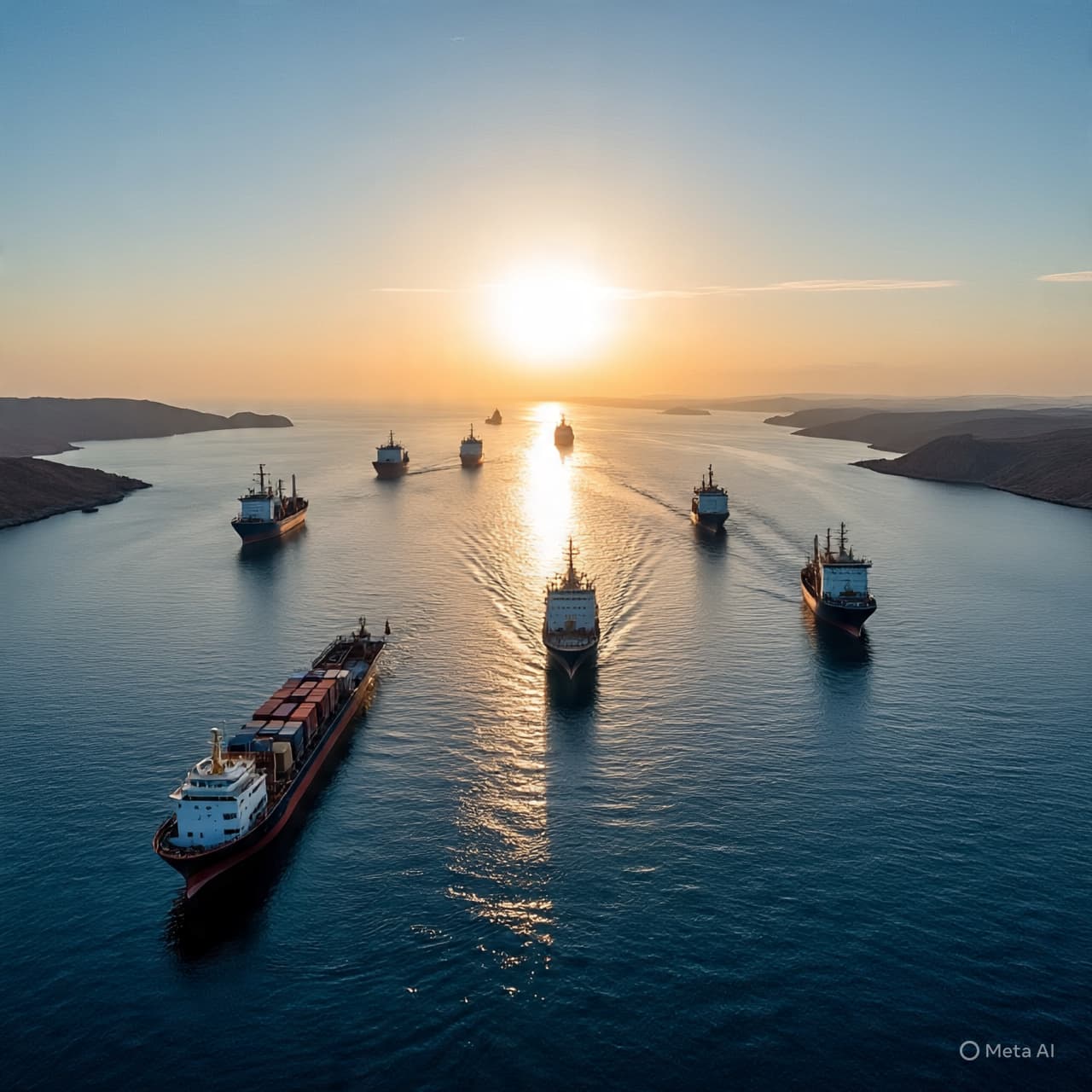
The Strait of Hormuz, a narrow waterway connecting the Persian Gulf to the Arabian Sea, serves as a vital artery for global trade, particularly in oil. Stretching only about 21 miles at its narrowest point, this strategic passage sees approximately 20% of the world's oil supply transit through its waters daily. The significance of the strait cannot be overstated; it is a linchpin in the global energy market, affecting economies from Asia to Europe and beyond.
Historically, the Strait of Hormuz has been a site of both cooperation and conflict. Its waters have witnessed naval confrontations and geopolitical tensions, particularly during periods of heightened conflict in the Middle East. The strait's strategic importance has led to military presence from various nations, as they seek to ensure the safe passage of vessels carrying oil and other goods. Disruptions in this corridor can lead to immediate spikes in oil prices and ripple effects across global markets, underscoring the delicate balance of power in the region.
The economic implications of the Strait of Hormuz extend beyond oil. The strait is a crucial route for liquefied natural gas (LNG) and other commodities, making it a focal point for energy security discussions. Countries reliant on energy imports closely monitor developments in the region, as any instability could threaten their energy supplies. This dependency creates a complex web of international relations, where diplomacy plays a critical role in maintaining open channels of trade.
Life along the shores of the Strait of Hormuz reflects a juxtaposition of routine and tension. Fishermen continue their daily practices, and port cities bustle with activity, yet the ever-present awareness of geopolitical dynamics looms large. The local economies thrive on maritime trade, but the specter of conflict can alter the landscape overnight. This duality illustrates the strait's role as both a facilitator of commerce and a potential flashpoint for international crises.
As global energy demands evolve, the significance of the Strait of Hormuz remains steadfast. The ongoing dialogue among nations regarding maritime security and energy policies highlights the strait's role in shaping future economic landscapes. The delicate balance of interests in the region necessitates continued diplomatic efforts to ensure that this vital corridor remains open and secure.
In conclusion, the Strait of Hormuz embodies the complexities of modern geopolitics. It is a reminder that geography plays a pivotal role in international relations, where the flow of goods and energy is intertwined with the fragility of peace. As the world navigates the challenges of energy security and economic interdependence, the strait will undoubtedly remain a focal point of global attention and strategic importance.
Published by Banx Network. This article is part of the Banx decentralized media programme, powered by the BXE token on the XRP Ledger.



