
Key Highlights
- Shadow Fleet:A fleet of vessels linked to sanction evasion amid the Ukraine conflict.
- Nordic Response:Leaders are opting for caution rather than dramatic interventions.
- Geopolitical Tensions:The situation reflects broader international maritime concerns.
In the tranquil waters of northern Europe, the Baltic and North Seas have long served as vital trade routes, connecting nations and facilitating commerce. However, recent developments have introduced a layer of complexity to these waters. A fleet of aging oil tankers, often referred to as a "shadow fleet," has emerged, raising concerns about sanction evasion linked to Russia's ongoing war against Ukraine. These vessels, characterized by their obscure ownership and questionable operational practices, have become emblematic of the challenges facing international maritime law and cooperation.
The shadow fleet operates in a gray area of legality, transporting oil and other goods in ways that undermine the sanctions imposed on Russia. This situation has prompted discussions among Nordic countries, whose maritime histories are deeply intertwined with these waters. In recent diplomatic meetings, officials have contemplated the possibility of seizing these vessels when they are found in their territorial waters. However, despite the urgency of the situation, leaders have largely opted for a more measured approach, prioritizing legal frameworks over immediate action.
This cautious stance reflects a broader respect for international law and the potential repercussions of more aggressive measures. Nordic leaders recognize that any drastic actions could disrupt maritime commerce and provoke unintended consequences. Instead, they are focusing on enhancing monitoring and compliance with existing regulations, ensuring that vessels passing through their waters adhere to safety and environmental standards. This strategy aims to uphold sanctions while maintaining the integrity of legal practices.
The geopolitical landscape surrounding this issue is increasingly intricate. For instance, in France, authorities recently released a tanker linked to the shadow fleet after its owning company paid a significant fine. This incident highlights the various forms of enforcement that can be employed, ranging from inspections and penalties to eventual releases. Meanwhile, a senior Russian official has issued warnings about potential naval responses to what he termed maritime "piracy," illustrating the delicate balance of power in these waters.
As Nordic nations navigate these turbulent waters, their decisions reflect a commitment to sovereignty and shared legal order. The choice to refrain from immediate action is not one of passivity but rather a strategic navigation of complex international relations. In this context, the actions of Nordic leaders serve as a reminder that the currents of international concern require careful consideration and reflection.
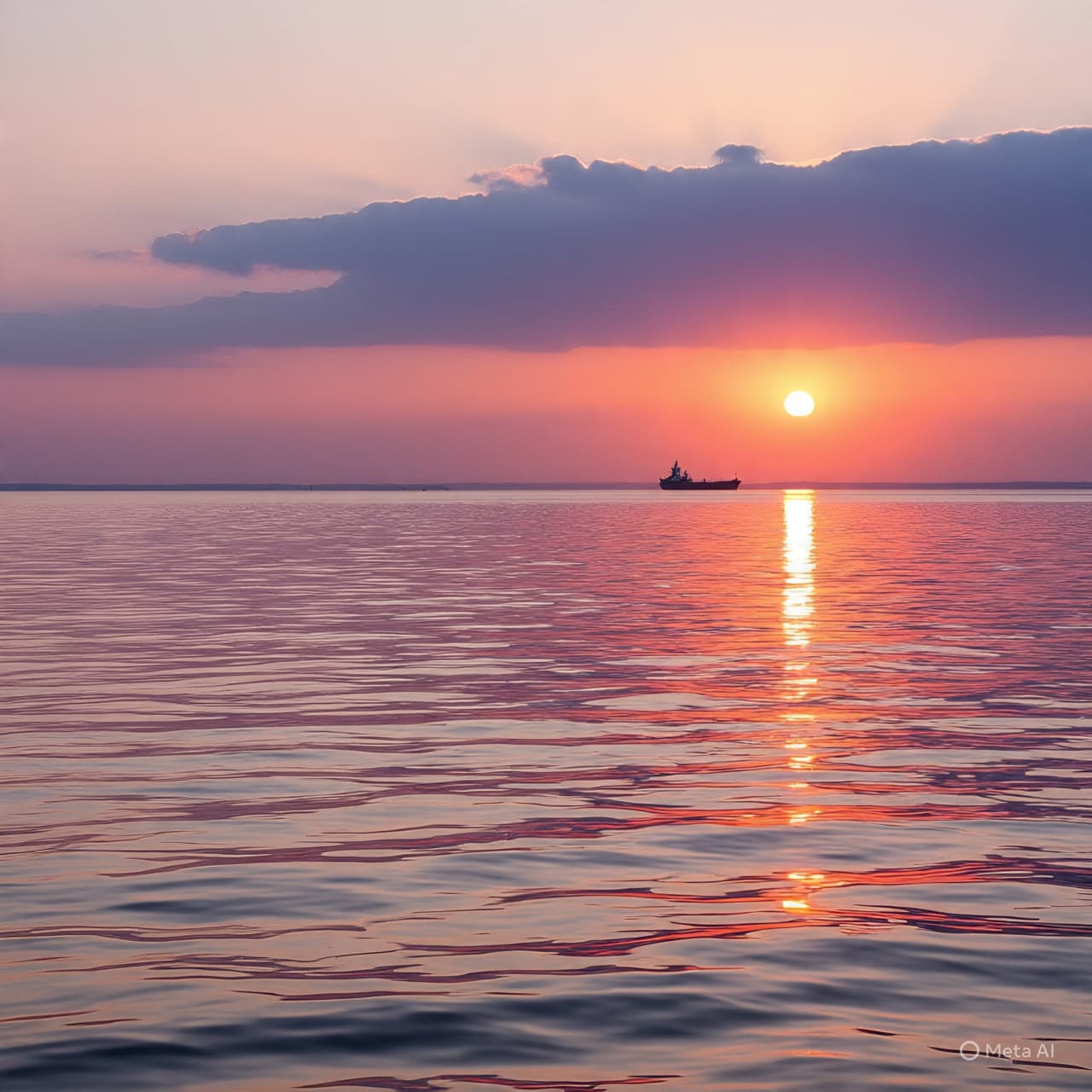
In the end, the sea remains a shared expanse of history and commerce, where each vessel carries not only cargo but also the weight of collective expectations. The ongoing situation with the shadow fleet underscores the importance of cooperation among nations and the need for a unified approach to maritime challenges. As the sun sets over the horizon, casting a warm glow on the waters, it becomes clear that the path forward will require both vigilance and restraint, ensuring that the principles of international law are upheld while addressing the pressing issues at hand.
Published by Banx Network. This article is part of the Banx decentralized media programme, powered by the BXE token on the XRP Ledger.



