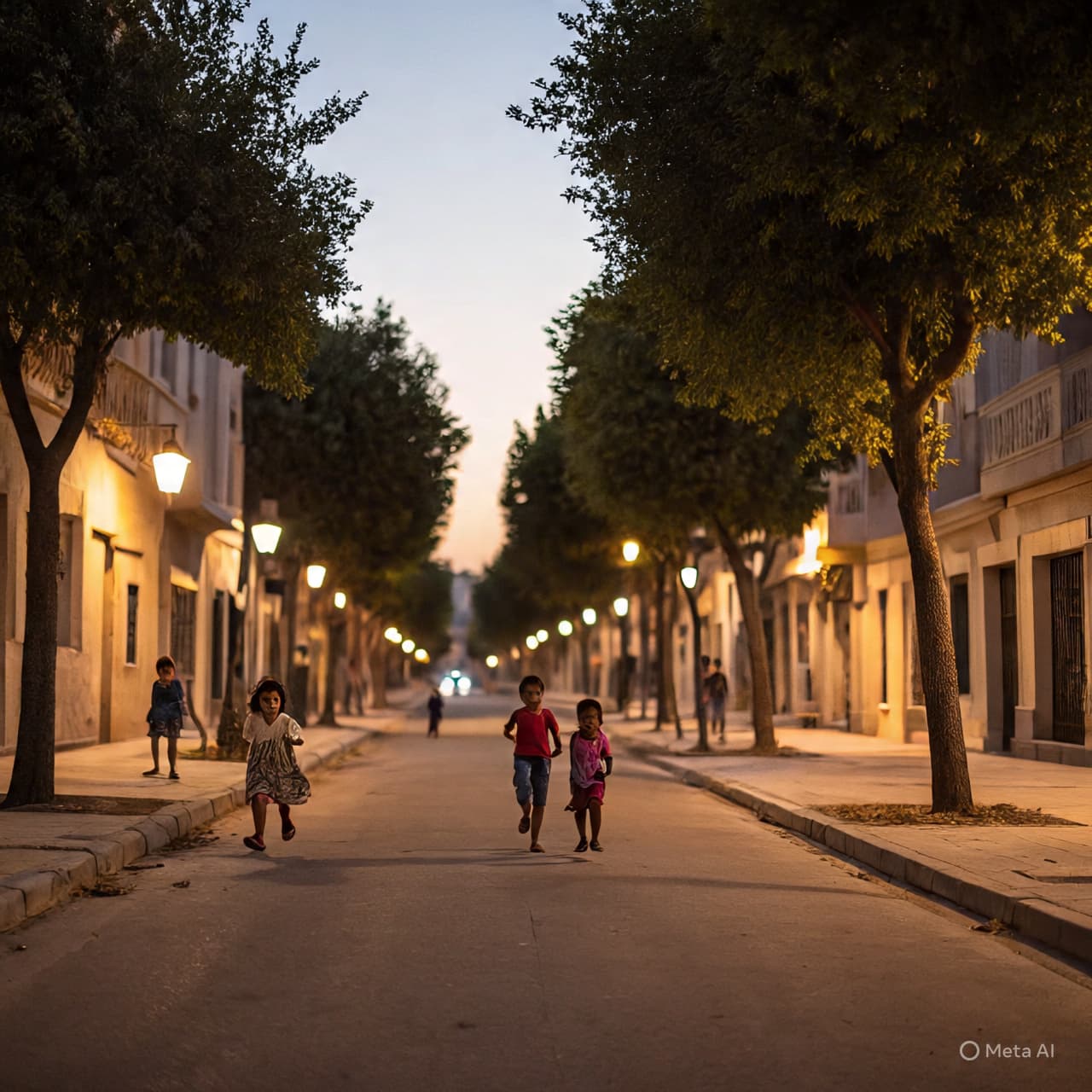
The streets of Gaza are quiet in the early morning, yet the air carries the faint echo of tension. Children play near alleyways while vendors prepare their stalls, unaware—or perhaps cautiously aware—that the fragile calm of recent months can shift in an instant. For many, life has been measured in the delicate rhythm of ceasefires, punctuated by the sporadic flare of violence that seems to arrive without warning. Today, that rhythm was broken: three lives were lost to Israeli fire, just three months after a truce that promised, however tentatively, a pause from two years of relentless conflict.
In Gaza City’s Tuffah neighborhood, one victim fell, while two others lost their lives in Bani Suhaila near Khan Younis. The Israeli military described the northern incident as a response to a person allegedly posing a threat, while no official comment has been given regarding the southern deaths. For those living under this shadow, explanations often arrive too late. Ceasefires may be declared in conference rooms, but the human cost is measured in streets, hospitals, and homes where ordinary life continues despite uncertainty.
The recent truce, brokered with international mediation, was meant to ease the relentless toll of war. Yet the violence that claimed these three lives illustrates the fragile nature of such agreements. Health officials report that, since the truce, over 440 Palestinians—most civilians—have died from Israeli fire, alongside three Israeli soldiers. Along the so-called “Yellow Line,” tensions flare, creating a delicate dance of caution, negotiation, and survival. Each flare of conflict disrupts not only the immediate neighborhood but the psychological fabric of a population that has endured years of instability.
Amid these challenges, resilience persists. Gaza’s residents navigate daily life with a mixture of vigilance and hope, communities supporting one another, and humanitarian workers providing care in conditions that remain unpredictable. The deaths, while tragic, underscore the persistent need for dialogue, accountability, and protection of civilians. The truce, while not perfect, remains a lifeline, a tenuous framework within which the people of Gaza strive to reclaim moments of normalcy in a landscape repeatedly tested by conflict.
In the quiet that follows each flare, the stories of ordinary lives—of families, neighbors, and children—serve as a reminder: human endurance continues even where politics falters. The recent deaths are a stark illustration that the peace so carefully negotiated remains fragile, yet the spirit of the people persists, finding small ways to survive, adapt, and hope for stability beyond the line of fire.
AI Image Disclaimer Images in this article are AI-generated illustrations, meant for concept only and not actual photographs.
Sources Reuters — Israeli fire kills three people in Gaza post-truce The New Arab — Israel continues truce violations with deadly attacks Washington Post — Gaza ceasefire and ongoing tensions along “Yellow Line” Local Gaza Health Ministry reports (via Reuters/AP) UN and humanitarian briefings on Gaza post-truce incidents
Published by Banx Network. This article is part of the Banx decentralized media programme, powered by the BXE token on the XRP Ledger.