There are moments when a city seems to pause—not in silence, but in awareness. Paris, a place long accustomed to movement and rhythm, found itself once again leaning into vigilance, as if listening closely to something unseen beneath its surface.
The reported attempted attack near a major financial institution in the heart of Paris has stirred more than just immediate concern. It has revived a familiar question about how modern cities live alongside uncertainty, and how resilience is quietly built not in reaction, but in preparation.
Authorities moved quickly, launching an investigation into what has been described as a suspected security threat involving an explosive device. While details remain carefully managed, the tone from officials has been measured—alert, but not alarmist. It reflects a system that has learned to respond without amplifying fear.
In recent years, France has invested heavily in urban security infrastructure. Surveillance systems, intelligence coordination, and rapid-response protocols have become part of the invisible architecture of daily life. Incidents like this do not emerge in isolation; they test the strength of those systems.
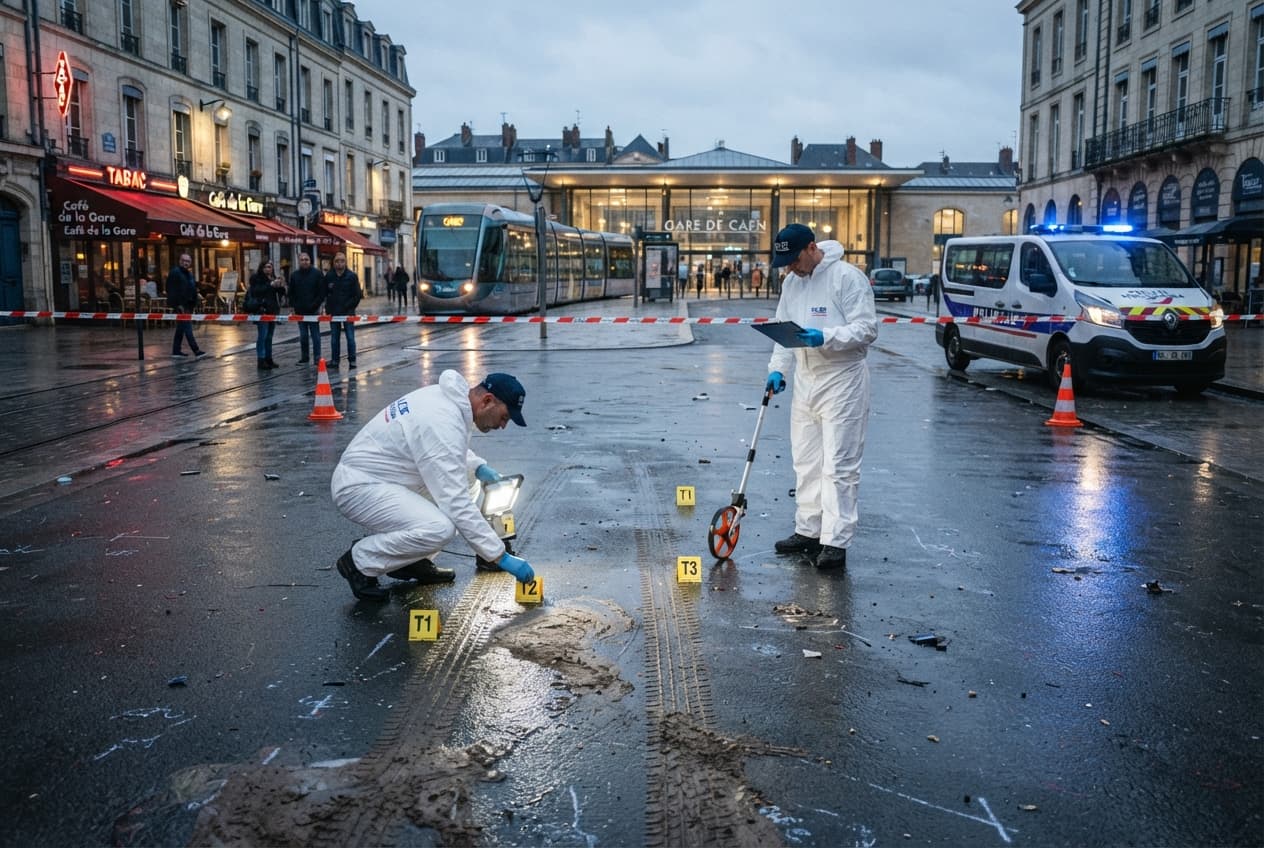
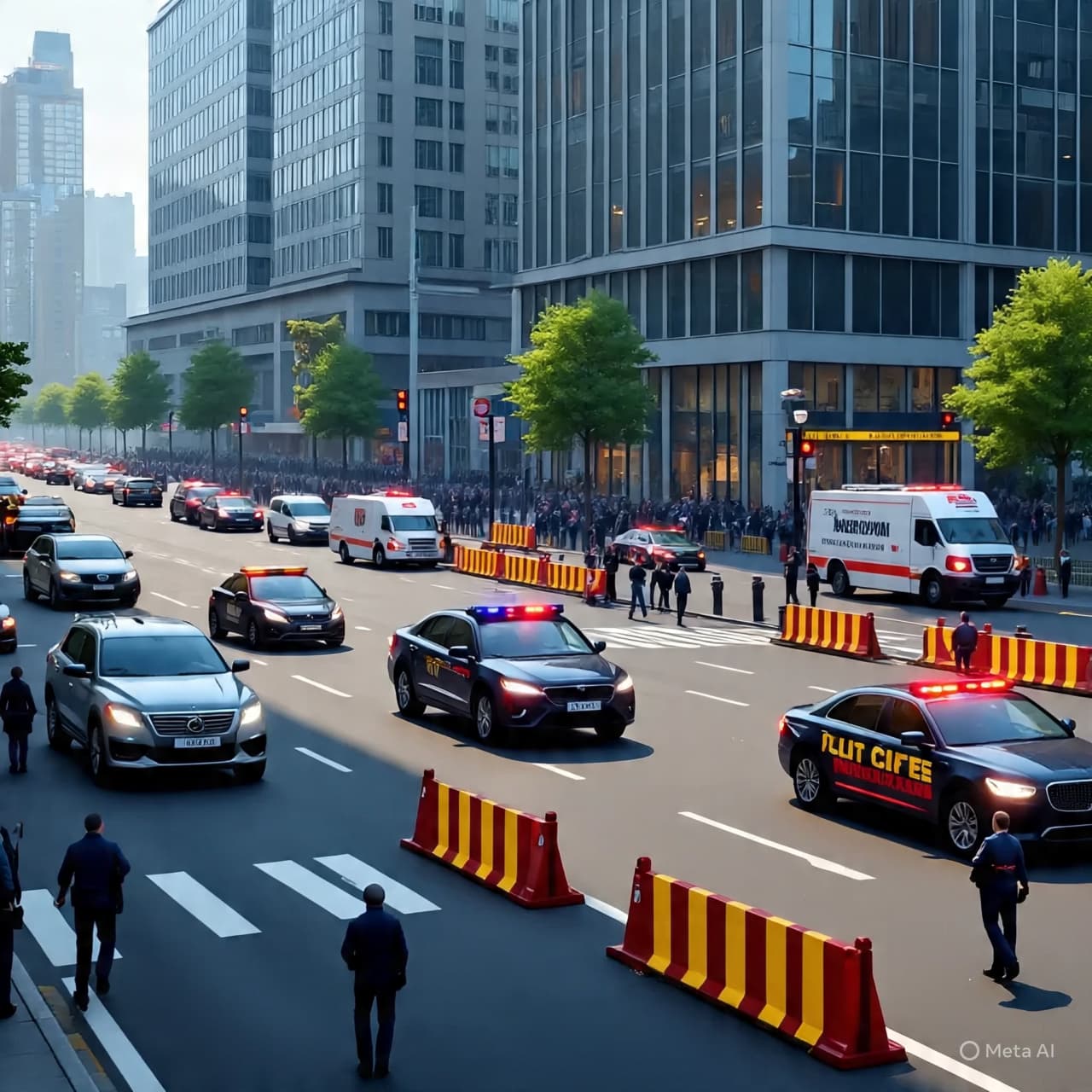
What stands out is not only the incident itself, but the speed of containment. The area was secured, the public protected, and the investigation initiated—all within a tightly coordinated response. It is a reminder that preparedness often reveals itself in moments that do not escalate further.
Yet beneath the operational success lies a quieter narrative: the psychological balance cities must maintain. Too much vigilance can weigh heavily on public life, while too little invites risk. France, like many nations, continues to walk this delicate line.
Experts suggest that such incidents are part of a broader global pattern where threats are increasingly decentralized and unpredictable. This makes traditional models of prevention more complex, requiring adaptive intelligence and community awareness.
For businesses and international institutions operating in Paris, the event also underscores the importance of security planning. Global cities are not only economic hubs—they are symbolic spaces, and therefore, potential targets.
Still, daily life continues. Cafés remain open, streets remain filled, and the city moves forward—not in denial, but in quiet defiance. This continuity may be one of the most powerful responses of all.
The investigation is ongoing, and authorities have not indicated a broader threat at this stage. For now, Paris returns to its rhythm, carrying with it both caution and calm.
AI Image Disclaimer Visuals are created with AI tools and are not real photographs.
Sources : Reuters BBC France24 Le Monde Associated Press
Published by Banx Network. This article is part of the Banx decentralized media programme, powered by the BXE token on the XRP Ledger.