
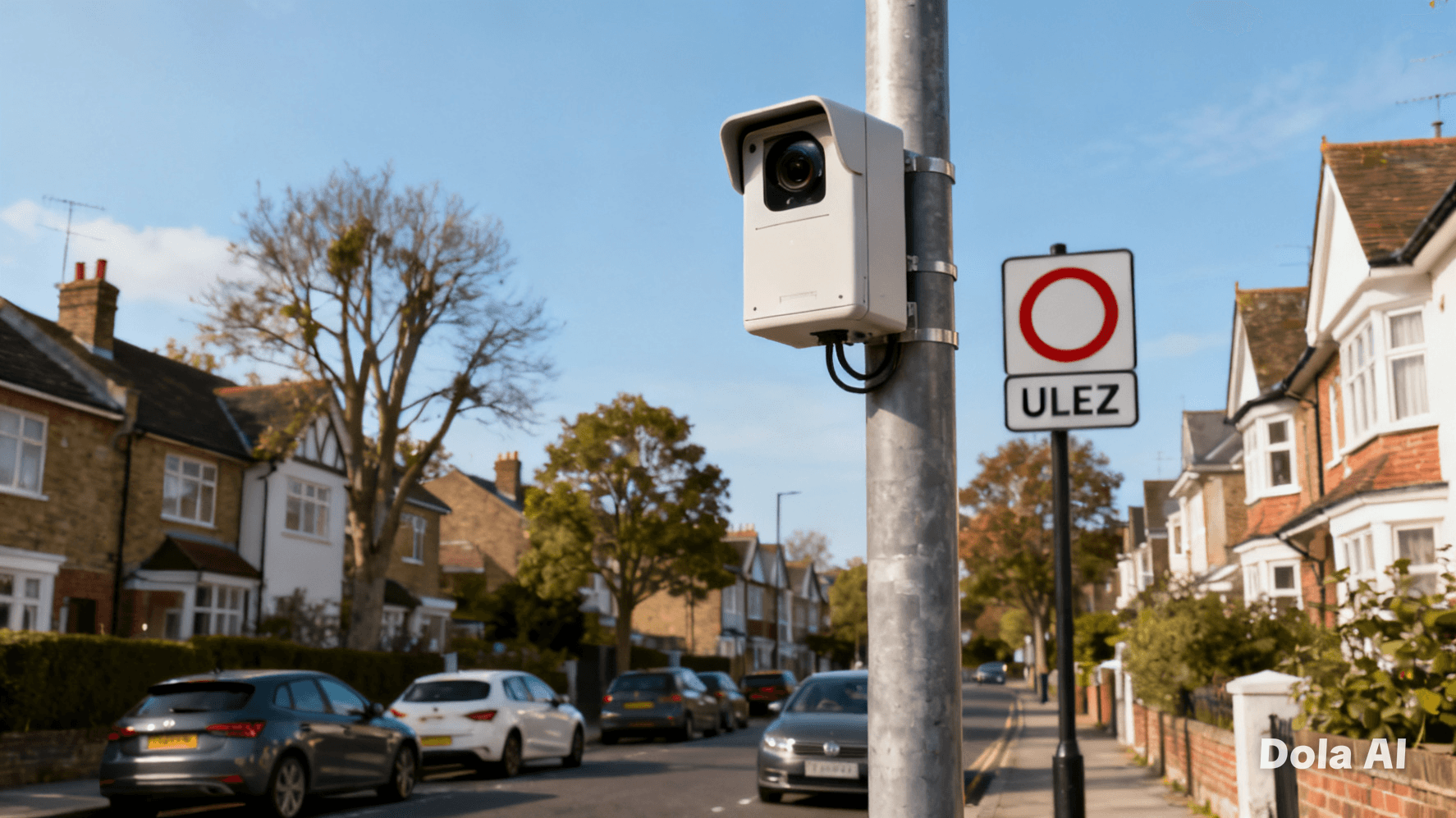
Key Highlights
- Incident Date:A retired electrician detonated an IED in Sidcup on December 6, 2023.
- Court Verdict:Kevin Rees was found guilty of causing an explosion likely to endanger life in January 2026.
- Online Radicalization:Rees's transformation was fueled by anti-ULEZ forums and far-right ideologies.
In the quiet suburb of Sidcup, southeast London, the hum of daily life can often mask underlying tensions. However, this calm was shattered on December 6, 2023, when Kevin Rees, a retired electrician, detonated a homemade explosive device (IED) beside a newly installed traffic camera as part of the city's Ultra Low Emission Zone (ULEZ) initiative. This incident not only drew national attention but also raised critical questions about the intersection of public policy, radicalization, and suburban life.
Rees, described by neighbors as a reserved and unremarkable figure, had spent years living a routine life, fixing domestic appliances. Yet, beneath this ordinary facade, he was deeply engaged in online communities that opposed the ULEZ scheme. Operating under the alias “Exterminator,” Rees became increasingly immersed in forums that blended legitimate policy criticism with conspiracy theories and extremist rhetoric. This digital environment, critics argue, served as a breeding ground for radicalization, transforming his grievances into violent action.
The ULEZ program, aimed at reducing air pollution by imposing charges on higher-emission vehicles, has been a source of contention since its expansion. While many residents viewed it as a necessary step toward environmental responsibility, others, like Rees, perceived it as an infringement on personal freedoms. His online interactions escalated from mere dissent to discussions that glorified sabotage and violence against law enforcement, reflecting a broader trend of radicalization fueled by social media.
The explosion itself was powerful, sending shrapnel across a 100-meter radius and damaging nearby vehicles and homes. Fortunately, no serious injuries were reported, but the incident was classified as an act likely to endanger life. In January 2026, Rees was found guilty at Woolwich Crown Court of causing an explosion and possessing prohibited weapons, including homemade stun guns. Prosecutors highlighted his extensive online activity, which included disparaging remarks about political figures and a clear pattern of escalating hostility toward the ULEZ initiative.
During the trial, Rees's defense was marked by inconsistencies. He claimed to have no recollection of the night of the explosion, despite CCTV footage showing him leaving his home with tools shortly before the detonation. This evidence contradicted his assertions of innocence, leading prosecutors to argue that the IED was placed with clear intent to cause harm.
The case also shed light on the role of online communities in shaping extremist views. Experts testified about how anti-ULEZ forums can act as echo chambers, fostering conspiracy theories and hostility toward civic regulations. Campaigners warned that such unmoderated digital spaces could attract individuals from all walks of life, including retirees like Rees, who may feel isolated and vulnerable to radical ideas.
For residents of Sidcup, the revelation that a neighbor had constructed an explosive device in his home was a shocking reminder of the hidden dangers that can lurk beneath the surface of suburban tranquility. The incident serves as a stark illustration of how grievances can fester and erupt into violence, challenging the perception of safety in seemingly peaceful communities. As the community grapples with the aftermath, the case of Kevin Rees underscores the urgent need to address the factors that contribute to radicalization and the potential for violence in everyday life.
Published by Banx Network. This article is part of the Banx decentralized media programme, powered by the BXE token on the XRP Ledger.



