
Key Highlights
- Ukrainian President Zelenskyy confirms U.S. and Middle Eastern requests for drone defense assistance.
- Ukraine's experience in countering Iranian drones is sought by allies.
- Ukrainian specialists will provide expertise without compromising local defenses.
In the early morning light over Kyiv, the city awakens to a landscape marked by resilience and adaptation. The memories of conflict linger in the air, where the sounds of drones and counterfire have become part of daily life. Over the past four years, Ukraine has faced relentless aggression from Russia, leading to the development of a unique expertise in countering aerial threats, particularly the Iranian-designed Shahed drones that have posed significant challenges to its air defenses.
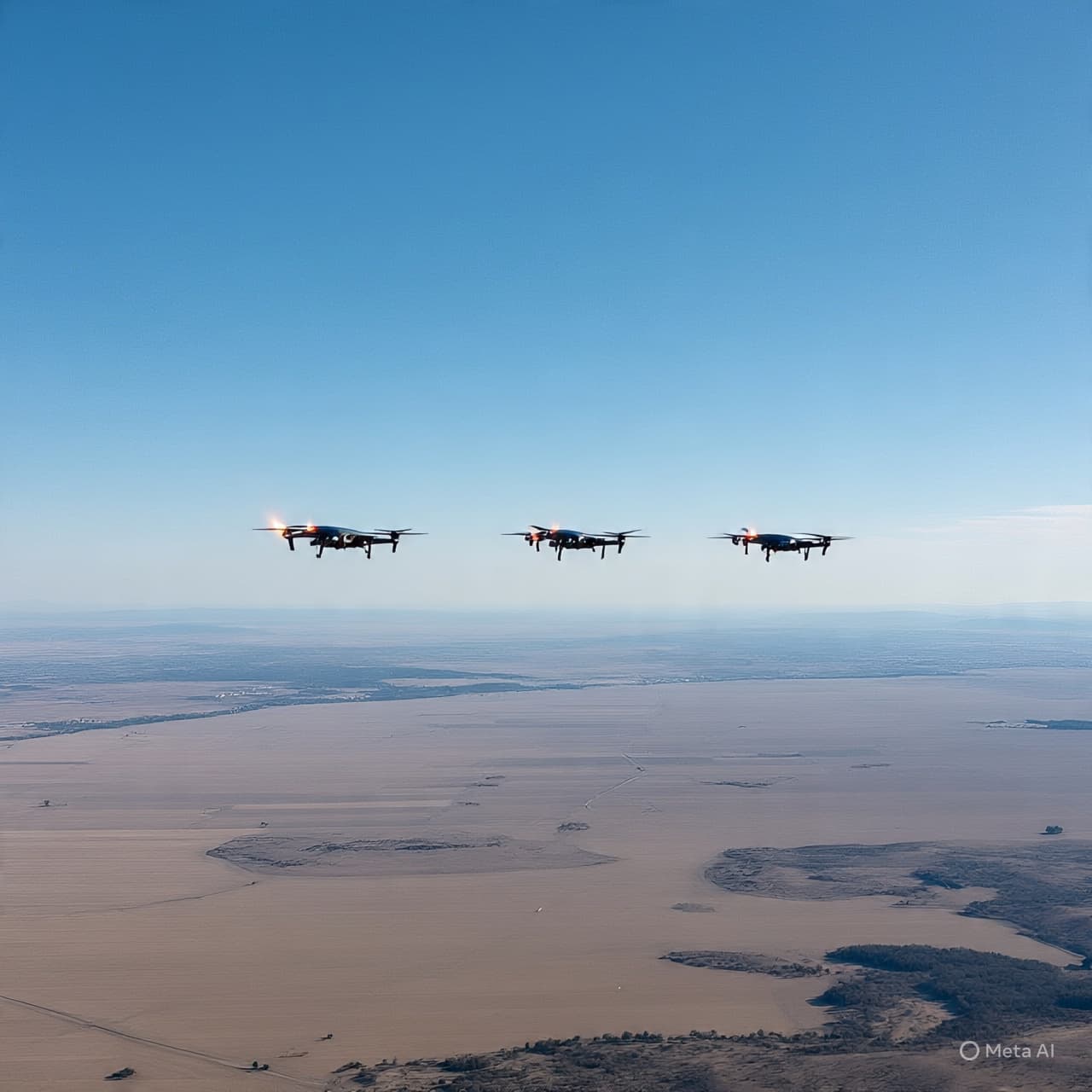
Ukrainian forces have learned to navigate the complexities of modern warfare, employing innovative strategies to counter these low-cost drones that have disrupted traditional defense systems. As the conflict evolved, so did the tactics, with defenders in Kharkiv and other frontline areas adapting to the threat by utilizing nimble interceptor drones and acoustic detection systems. This evolution not only safeguarded Ukrainian cities but also fostered a body of knowledge that has garnered international attention.
Recently, President Zelenskyy announced that the United States and several Middle Eastern nations have sought Ukraine's assistance in addressing the drone threat. This request underscores the shifting dynamics of global alliances and the recognition of Ukraine's hard-earned expertise in counter-drone operations. Zelenskyy confirmed that Ukraine would provide necessary resources and specialists to help allies bolster their defenses against Iranian drones, ensuring that this support does not compromise Ukraine's own security needs.
The irony of this situation is palpable. The very drones that once cast shadows over Kyiv are now seen as instruments of defense, with Ukrainian strategies being discussed in military circles from Washington to Abu Dhabi. Officials are exploring the possibility of acquiring Ukrainian interceptor drones and adapting their techniques to enhance their own defense capabilities. This collaboration reflects a broader trend of nations learning from one another's experiences in the face of evolving threats.
As military planners engage in discussions about strategies and technologies, the human element remains at the forefront. In Kyiv, families enjoy moments of normalcy, while in the Gulf, communities look to the skies with renewed hope. The echoes of conflict resonate not only in military strategies but also in the lives of those who have endured the realities of war. The lessons learned in Ukraine are now being shared across borders, highlighting the interconnectedness of modern warfare and the importance of collaboration in addressing common threats.
In summary, President Zelenskyy's announcement of Ukraine's support to the U.S. and Middle Eastern partners in countering Iranian drones marks a significant moment in international military cooperation. By leveraging its experience in combating similar threats, Ukraine is not only aiding its allies but also reinforcing its own position in the global defense landscape.
Published by Banx Network. This article is part of the Banx decentralized media programme, powered by the BXE token on the XRP Ledger.



