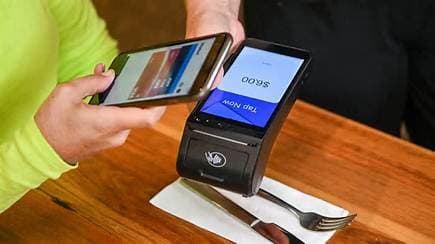
A QR code can appear almost weightless: a small pattern on a screen or printed beside a cashier. Yet when payment systems become connected across borders, that small pattern becomes part of a much larger financial network.
Indonesia is now preparing to widen that network. Bank Indonesia has signed separate memorandums of understanding with the monetary authorities of Timor-Leste and Hong Kong to explore cross-border payment connectivity using QRIS.
The agreement with Banco Central de Timor-Leste provides a framework for cooperation on payment and settlement systems, digital financial innovation, information sharing and institutional ties. It also establishes a basis for exploring the implementation of cross-border QRIS between the two countries.
A separate memorandum was signed with the Hong Kong Monetary Authority. The two institutions are similarly exploring cooperation around payment connectivity and digital financial infrastructure.
The development builds on Indonesia’s existing cross-border QRIS expansion. Bank Indonesia launched the first international QRIS connection with Thailand in 2022, followed by arrangements involving other regional markets as the system expanded.
The scale of usage has grown alongside those connections. Bank Indonesia data cited by The Jakarta Post show that from the launch of cross-border QRIS through July 2026, users from partner countries made 21 million inbound transactions in Indonesia worth Rp5.9 trillion, or about $329.3 million.
For travelers, a cross-border QR payment system can reduce the need to handle cash or navigate unfamiliar payment applications. For merchants, particularly smaller businesses, greater interoperability can potentially make it easier to accept payments from visitors using compatible systems in their home markets.
The significance is also visible at the institutional level. Central banks are increasingly discussing payment connectivity as part of broader digital-finance cooperation, seeking systems that can process transactions efficiently while maintaining appropriate settlement and regulatory arrangements.
Timor-Leste represents a particularly close geographic connection for Indonesia, while Hong Kong provides another link to a major international financial center. Their inclusion expands the potential reach of QRIS beyond the markets with which Indonesia has already established payment connectivity.
The agreements do not mean that all cross-border QRIS transactions with Timor-Leste and Hong Kong are immediately available to consumers. The memorandums establish cooperation and provide a foundation for further development, with technical and institutional arrangements still required before full implementation.
The QRIS expansion therefore illustrates a gradual transformation in how everyday payments are connected. What begins as a familiar scan at a shop can ultimately depend on agreements between central banks, settlement infrastructure and common technical standards spanning national borders.
Published by Banx Network. This article is part of the Banx decentralized media programme, powered by the BXE token on the XRP Ledger.