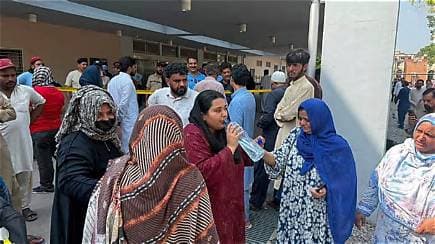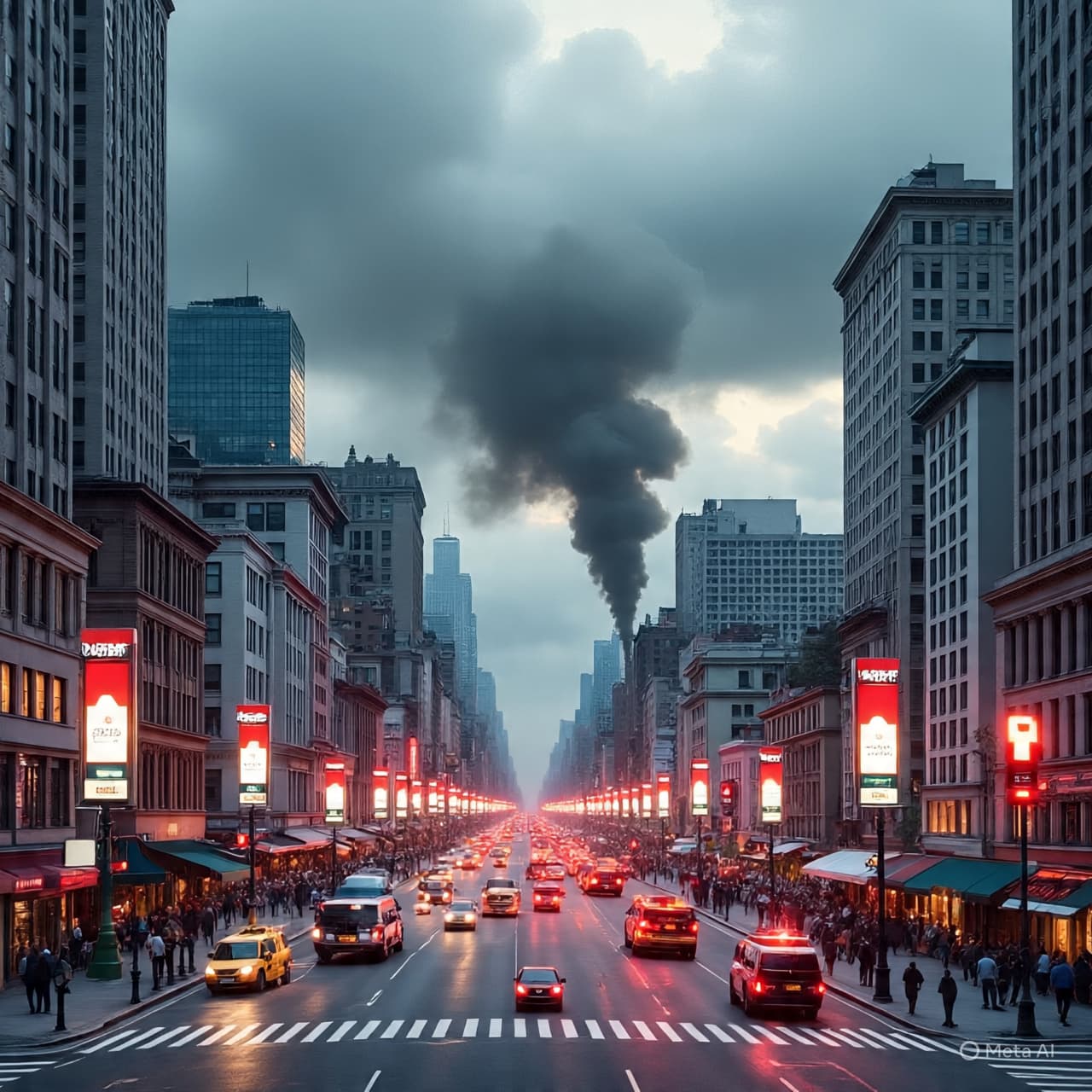
Dust swirls across the desert plains as the early sun stretches its fingers over distant horizons, painting the landscape in muted golds and pale shadows. The hum of the city feels distant here, replaced by the low, persistent murmur of infrastructure and the occasional rumble that shakes both earth and consciousness. In this stillness, the pulse of modern conflict becomes a quiet, almost surreal rhythm: missiles crossing borders, alerts flashing across screens, and the steady murmur of human lives moving through uncertainty.
State media in Iran reported that several of its nuclear facilities were struck, a reflection of heightened tensions following recent threats from Israel to “escalate and expand” military operations. The strikes, described in official statements as targeted but consequential, have drawn global attention, underscoring the precarious balance in a region long defined by its strategic volatility. Analysts note that these developments not only threaten physical infrastructure but also reverberate across geopolitical fault lines, where diplomacy and deterrence perform a delicate, continuous dance.
Communities near affected areas navigate the quiet aftermath with a mixture of resilience and apprehension. Workplaces continue, children attend schools, and markets hum, even as the invisible shadow of conflict lingers over daily routines. International observers emphasize that any escalation could ripple beyond borders, impacting energy markets, trade routes, and regional alliances. The imagery of empty streets in sensitive zones juxtaposes against the busy, connected world beyond, highlighting the tension between localized impacts and global consequences.
Israel’s warnings of expanded action come amid ongoing debates over deterrence, preemption, and regional security. The rhetoric underscores both a commitment to strategic objectives and the persistent uncertainties that accompany them. As the world watches, each missile, each statement, and each calculated move serves as both warning and signal, a reminder of the interwoven fragility and resilience that define the modern Middle East. The orchestration of policy, intelligence, and response unfolds not only in government halls but in the daily rhythms of communities that endure and adapt to the pressures of uncertainty.
In this landscape of shifting shadows, the events stand as a quiet reflection of the tension between human intention and the unforeseen consequences of force. While policymakers calibrate their next moves, the people, the infrastructure, and the economy bear witness to the delicate architecture of power and vulnerability. It is in these moments—between threats, between strikes, between headlines—that the broader significance of both diplomacy and escalation quietly registers, a reminder of the persistent fragility that underscores even the most calculated conflicts.
AI Image Disclaimer Illustrations were created using AI tools and are not real photographs.
Sources Reuters BBC News Al Jazeera The New York Times CNN
Published by Banx Network. This article is part of the Banx decentralized media programme, powered by the BXE token on the XRP Ledger.