

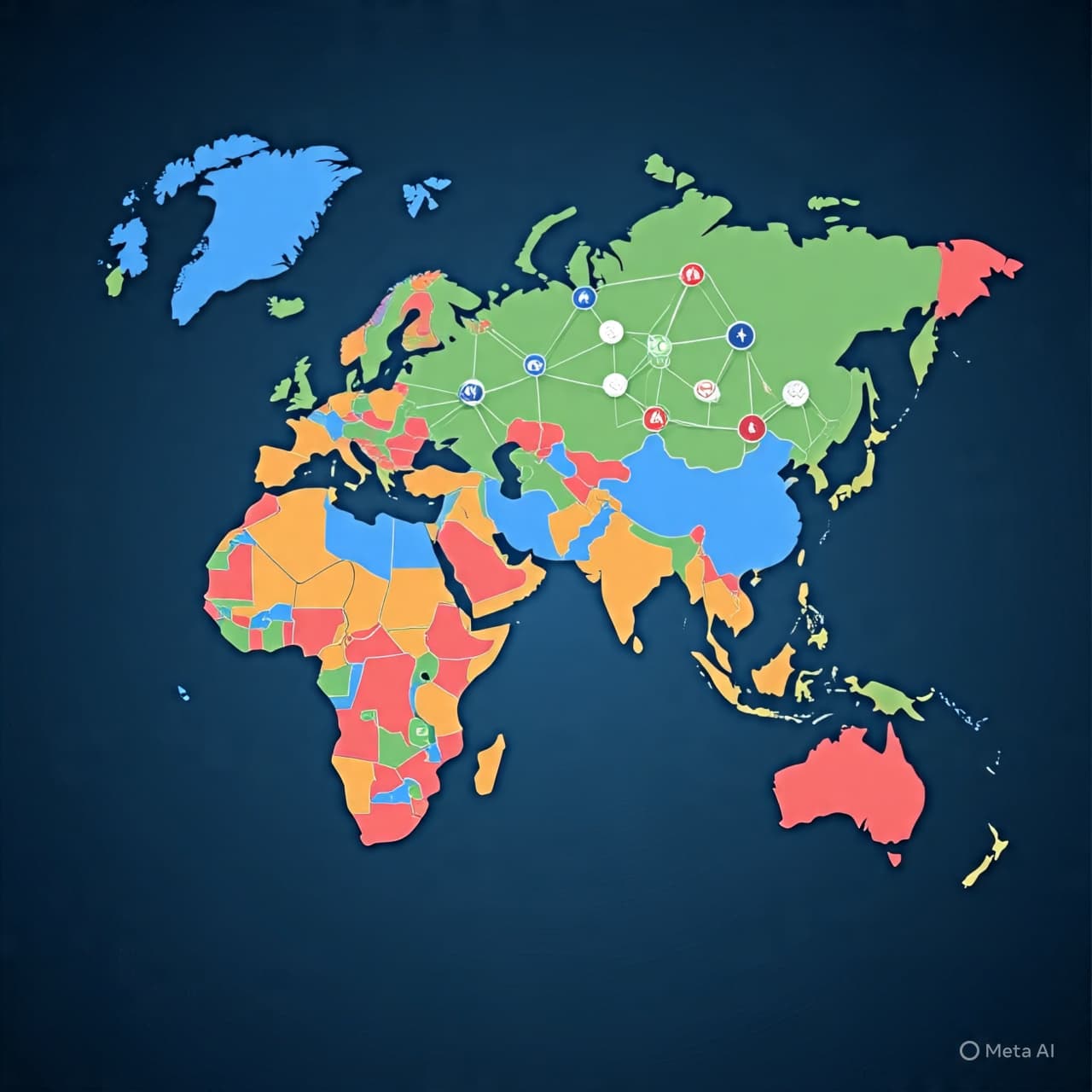
Key Highlights
- European lawmakers are debating the role of Chinese AI technologies in the region.
- Concerns about data protection and cybersecurity are driving regulatory discussions.
- A balance between innovation and strategic caution is essential for Europe’s digital future.
The landscape of artificial intelligence is evolving rapidly, with its influence permeating various sectors from healthcare to finance. In Europe, the conversation surrounding AI is particularly complex, as the continent finds itself at a crossroads between the technological advancements of the United States and China. The recent discussions among European policymakers reflect a growing awareness of the implications of integrating Chinese AI technologies into their digital frameworks.
In recent weeks, European lawmakers have voiced concerns regarding the potential risks associated with Chinese AI. These concerns are not unfounded; issues related to data protection, cybersecurity, and the over-reliance on foreign technologies have prompted some member states to consider restrictions on Chinese tech. This cautious approach echoes previous tensions surrounding the deployment of 5G networks, highlighting a broader effort to maintain strategic autonomy and digital sovereignty within the EU.
However, the European Commission has also emphasized the importance of not dismissing foreign innovation outright. Policymakers recognize that while there are valid concerns regarding security and data privacy, rejecting useful technologies could hinder European firms' competitiveness in a global market increasingly dominated by non-European players. The challenge lies in finding a balance between safeguarding national interests and fostering an environment conducive to innovation.
The regulatory landscape is evolving, with proposals aimed at phasing out “high-risk” technologies linked to non-EU suppliers, which many interpret as targeting Chinese firms. Critics argue that such measures could stifle competition and slow the adoption of transformative technologies at a time when Europe is striving to enhance its own AI capabilities. The potential for unintended consequences looms large, as overly restrictive regulations may isolate European firms from the global innovation ecosystem.
Experts across various sectors are advocating for global cooperation in AI governance, recognizing that fragmented approaches could lead to inefficiencies and missed opportunities. A world where technologies are siloed by geopolitical boundaries risks leaving European firms ill-equipped to influence international standards and disconnected from vital innovation networks. This perspective underscores the need for a collaborative approach to AI development that transcends national borders.
At the heart of the European debate lies a philosophical question: how can the continent embrace the benefits of technological advancement while upholding democratic values and ensuring security? The integration of AI into society requires a thoughtful approach that prioritizes ethical considerations alongside technological progress. Policymakers are tasked with weaving safeguards into the fabric of their regulatory frameworks, ensuring that Europe remains open to global technological currents without compromising its core values.
As discussions continue, European authorities are refining their strategies to create regulatory frameworks that effectively manage risks while maintaining access to foreign-developed AI tools. This approach acknowledges that outright exclusion could hinder competitiveness and slow progress on critical projects across various sectors, including healthcare, manufacturing, and digital services.
In the ongoing dialogue between Europe and China regarding AI, policymakers are navigating a delicate balance between prudence and openness. This careful consideration reflects the understanding that both extremes—an uncritical embrace of foreign technology and a complete rejection—carry their own risks. The future of AI in Europe will depend on the ability to foster innovation while ensuring that the continent's values and security are upheld.
Published by Banx Network. This article is part of the Banx decentralized media programme, powered by the BXE token on the XRP Ledger.




