
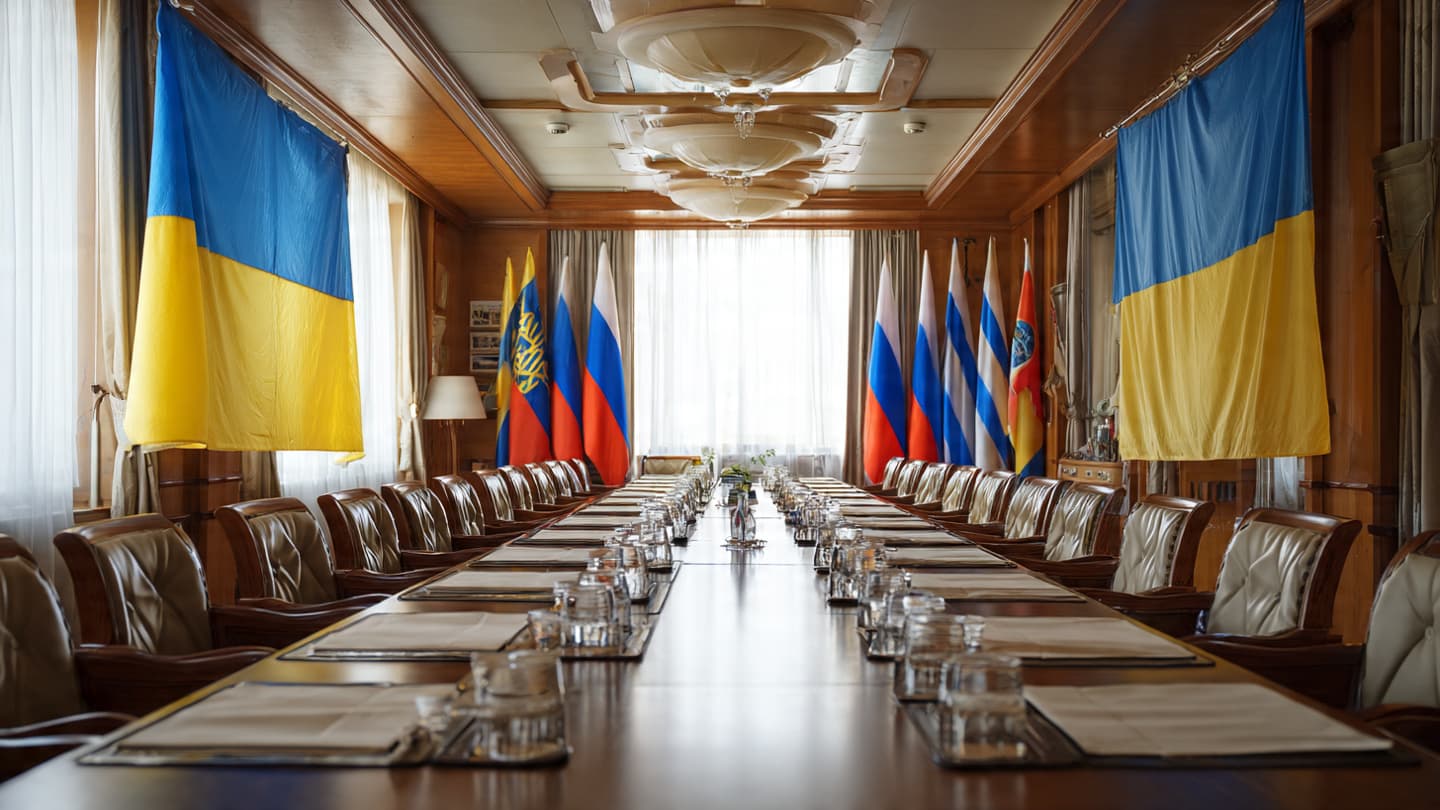
Key Highlights
- Direct Appeal:Zelenskyy calls for face-to-face negotiations with Putin.
- Proposed Venues:Switzerland, Turkey, and Arab states suggested for talks.
- Ceasefire Support:Ukraine willing to support a ceasefire during negotiations.
Ukrainian President Volodymyr Zelenskyy has taken a significant step in the ongoing conflict with Russia by sending an open letter to President Vladimir Putin, calling for direct negotiations aimed at ending the war that has reshaped Europe's security landscape for over four years. This letter, made public, marks one of the most direct appeals from Kyiv to Moscow since the onset of hostilities.
In his letter, Zelenskyy emphasized the heavy toll that continued fighting has taken on both nations, arguing that it is time for the leaders to engage directly in discussions that could lead to meaningful progress toward peace. He proposed that the talks take place in a neutral country, suggesting locations such as Switzerland, Turkey, and several Arab states as potential venues. This approach underscores the urgency of finding a diplomatic resolution to the conflict.
Zelenskyy also indicated that Ukraine would support a ceasefire during the negotiations, provided that there are credible mechanisms for implementation and monitoring. This proposal reflects a willingness to create a conducive environment for dialogue, which has often been a prerequisite for successful negotiations in the past.
In addition to ceasefire arrangements, the letter included proposals for discussing prisoner exchanges and humanitarian issues, which have been recurring themes in previous diplomatic efforts. These measures are seen as confidence-building steps that could help ease tensions and pave the way for more substantial discussions.
The timing of Zelenskyy's appeal is particularly noteworthy, as military operations continue across various sectors of the front line. Both Ukraine and Russia are grappling with the economic and social pressures that accompany a prolonged conflict, making the prospect of negotiations more pressing. However, sustaining diplomatic momentum has proven challenging in the face of shifting battlefield realities.
Russian officials have acknowledged receipt of Zelenskyy's letter and indicated that President Putin would be briefed on its contents. As of now, no definitive response regarding a proposed meeting has been announced, leaving the situation in a state of uncertainty.
Observers highlight that direct meetings between leaders can carry significant symbolic weight, even when substantial disagreements persist. Historically, some negotiations have begun with modest expectations before evolving into broader agreements. However, analysts caution that significant obstacles remain, particularly concerning core issues such as territorial disputes, security guarantees, and political conditions that continue to divide the two sides.
For the moment, Zelenskyy's letter serves as an invitation for dialogue rather than a formal agreement. Whether this initiative marks the beginning of renewed diplomatic efforts or simply another chapter in a protracted conflict remains to be seen. Nevertheless, in a war characterized by military developments, the emergence of a direct call for dialogue has once again highlighted the potential for negotiation and peace.
Published by Banx Network. This article is part of the Banx decentralized media programme, powered by the BXE token on the XRP Ledger.



