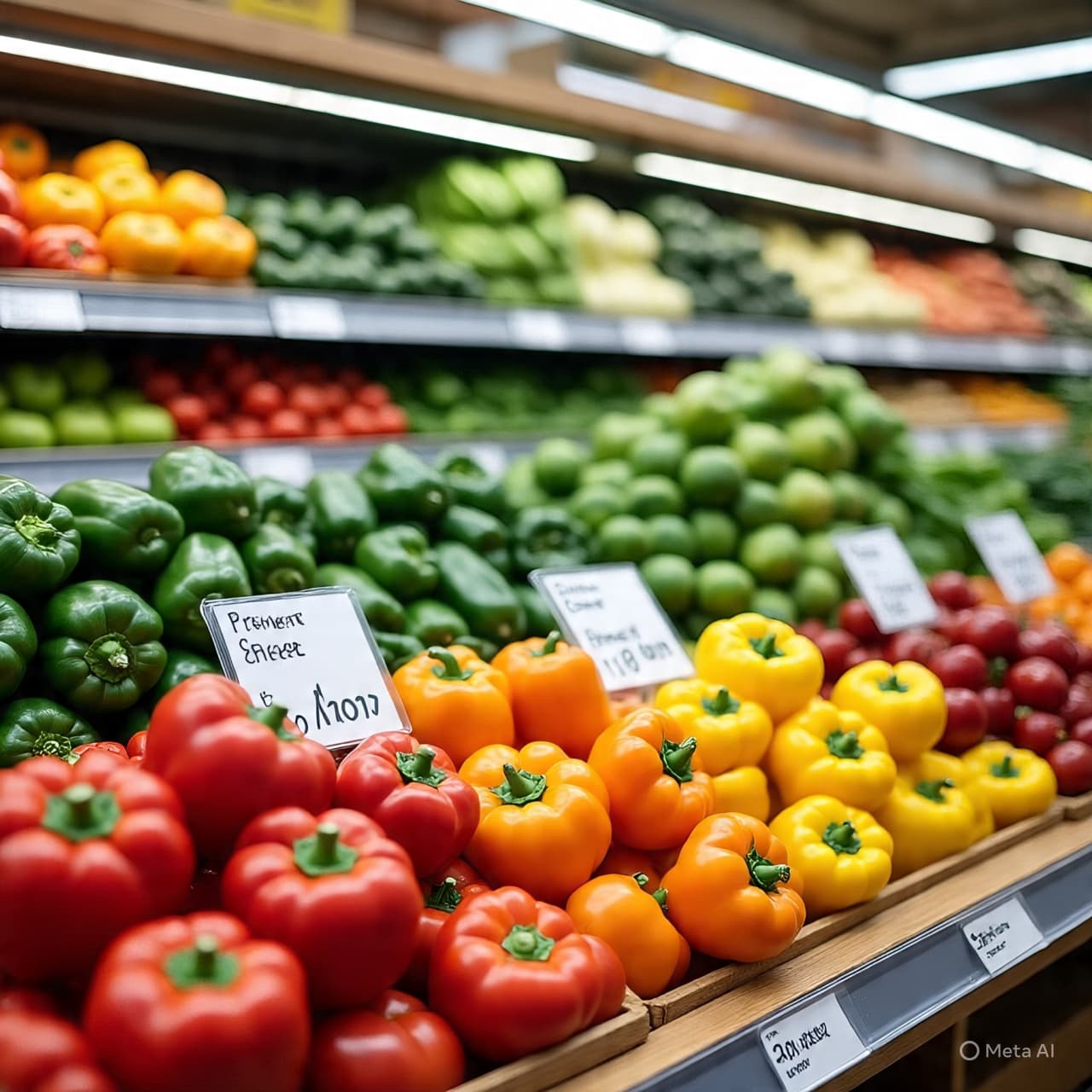
There is a certain stillness in the aisles of a supermarket that comes not from emptiness, but from hesitation. A hand lingers over a tray of meat, pauses at a row of vegetables, then moves on—not in refusal, but in quiet reconsideration. The act of choosing, once routine, begins to stretch into something more deliberate.
Across New Zealand, that pause is becoming more familiar.
Shoppers are increasingly feeling the strain of rising prices for everyday staples, particularly meat and vegetables. What once formed the steady center of a weekly shop now carries a different weight, shaped by forces that begin far from the store itself.
At the source, costs have been rising steadily. Farmers and producers face higher expenses for feed, fuel, fertilizer, and transport—inputs that move with global markets and shifting supply conditions. These pressures, accumulating over time, travel along the supply chain, eventually arriving at the shelf as higher prices.
Seasonal factors also play their part. Weather disruptions in key growing regions have affected yields, reducing supply and lifting prices for certain vegetables. In this way, the variability of climate—once absorbed quietly within agricultural cycles—becomes visible in the cost of what is placed in a basket.
For meat, the dynamics are similarly layered. Processing costs, export demand, and livestock conditions all influence pricing. When international demand remains strong, more product is directed offshore, tightening domestic supply and contributing to higher local prices.
The result is not a single, sudden increase, but a gradual shift across categories. Shoppers encounter it in increments—a few dollars more here, a smaller portion there—until the overall effect becomes difficult to ignore.
In response, behavior begins to adjust. Some consumers turn toward cheaper cuts of meat, or reduce quantities altogether. Others look for seasonal vegetables, frozen alternatives, or different meal patterns that stretch budgets further. The changes are often subtle, but they reflect a broader recalibration of how households manage rising living costs.
Retailers, too, operate within these constraints. While competition can temper price increases to some extent, they remain influenced by the same upstream pressures. Promotions and discounts may offer temporary relief, but they do not fully offset the underlying trend.
The experience, for many, is less about any single purchase and more about accumulation—the sense that each visit to the store requires a little more thought, a little more adjustment than before.
And yet, even within this strain, the routines continue. Shoppers move through aisles, make selections, adapt where they can. The system does not pause; it shifts, quietly, alongside those who depend on it.
Recent reports indicate that rising input costs, supply constraints, and strong export demand are contributing to higher prices for meat and vegetables in New Zealand, placing increasing pressure on household budgets as food inflation persists.
AI Image Disclaimer
These images are AI-generated and are intended as illustrative representations, not real photographs.
Sources
Radio New Zealand 1News Stuff The New Zealand Herald Reuters
Published by Banx Network. This article is part of the Banx decentralized media programme, powered by the BXE token on the XRP Ledger.