
Key Highlights
- Event:Thousands gathered for the annual Al-Quds Day rally in Toronto.
- Incidents:Two counterprotesters faced assault charges during the event.
- Context:The rally reflects ongoing global political tensions and local civic engagement.
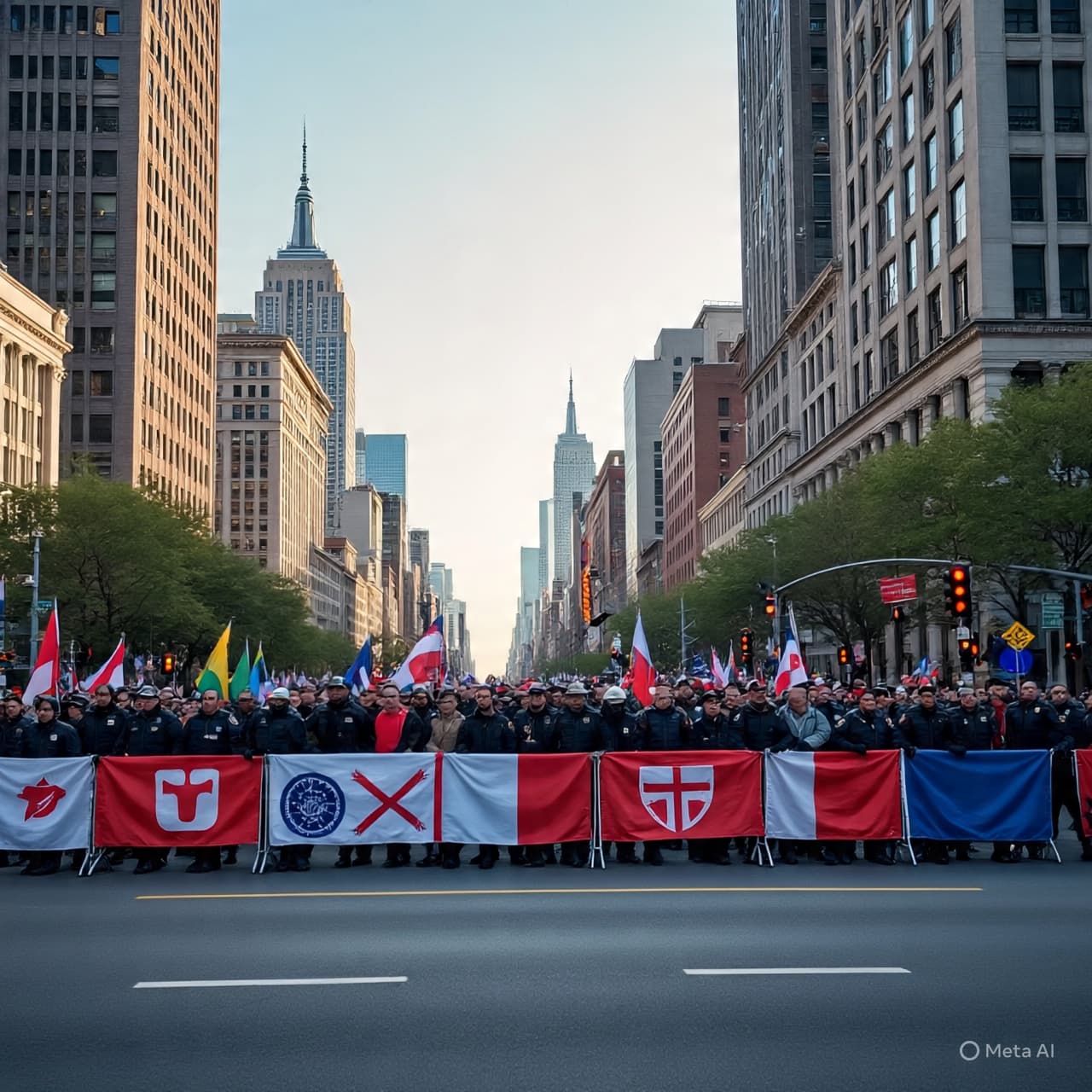
On a recent afternoon in downtown Toronto, the city witnessed a significant gathering as thousands assembled for the annual Al-Quds Day rally, a demonstration aimed at expressing solidarity with Palestinians. This event, held near the United States consulate, drew participants carrying banners and flags that showcased a wide array of political sentiments. Nearby, smaller groups of counterprotesters voiced their dissent, creating a charged atmosphere that required police presence to maintain order.
The rally followed a familiar pattern seen in many urban demonstrations, characterized by chants, speeches, and the careful management of opposing groups by law enforcement. However, the emotional stakes of such gatherings often lead to moments of tension. Toronto police reported that two separate incidents during the rally resulted in assault charges against counterprotesters, highlighting the potential for conflict in such charged environments.
In the first incident, a 56-year-old counterprotester allegedly swung his arms at a demonstrator holding an Iranian flag, resulting in the flagpole breaking and striking the demonstrator. This confrontation led to charges of assault and mischief against the accused. In a second incident, a 39-year-old counterprotester reportedly spat at a demonstrator and attempted to burn the Iranian flag, facing multiple charges including assault and public incitement of hatred.
Authorities are treating these incidents as suspected hate-motivated offences, which require thorough investigation to determine if bias influenced the actions. This scrutiny reflects the complexities involved in public demonstrations, where expressions of identity and political beliefs can lead to confrontations.
Despite the arrests, the Al-Quds Day rally continued largely as planned, drawing participants from across the city. For many, the event represents a longstanding commitment to global political struggles, while for others, it symbolizes a counter-narrative that demands public expression. Such events illustrate how local streets can become stages for international conflicts, with Toronto's diverse population actively engaging in these dialogues.
As the day progressed and the crowds began to disperse, the city returned to its usual rhythm. The voices that filled the air faded, but the events of the day remained etched in police reports and court documents, serving as a reminder of the thin line between civic expression and confrontation. Public demonstrations are a vital part of democratic life, providing a platform for voices that might otherwise go unheard, yet they also necessitate a careful balance to ensure safety and respect among diverse perspectives.
On this particular afternoon, the balance was tested, leaving behind a moment of friction in the broader landscape of civic expression in Toronto. The city's streets, typically bustling with commuters, transformed into arenas of political discourse, reflecting the ongoing relevance of public demonstrations in contemporary society.
Published by Banx Network. This article is part of the Banx decentralized media programme, powered by the BXE token on the XRP Ledger.



