In factories built on repetition and rhythm, change often arrives quietly. Conveyors hum, tools rise and fall, and time is measured in cycles rather than moments. Yet among the familiar geometry of metal and motion, something new is beginning to take shape—machines that do not simply move, but walk, turn, and pause in ways that resemble the people beside them.
Hyundai has announced plans to introduce human-like robots into its manufacturing facilities, marking a shift in how automation may coexist with human labor. These robots, developed through the company’s robotics division, are designed to move with balance and flexibility, allowing them to navigate spaces built for people rather than cages or isolated zones. The intent is not spectacle, but function: lifting, carrying, and assisting in tasks that strain the human body or demand repetitive precision.
The move reflects a broader evolution in industrial robotics. Traditional factory robots are powerful but fixed, anchored behind safety barriers and programmed for narrow tasks. Human-like robots promise something different. They can operate in shared environments, adjust to varied workflows, and respond to unexpected conditions. For Hyundai, whose factories already blend automation with skilled labor, this offers a way to extend efficiency without redesigning entire production lines.
Executives have framed the robots as collaborators rather than replacements. Early use cases focus on physically demanding roles, such as transporting heavy components or working in awkward positions. By reducing injury risk and fatigue, the company suggests, human workers can shift toward oversight, quality control, and complex decision-making. The factory floor, in this vision, becomes a place of shared presence rather than strict separation between human and machine.
Still, the transition will be gradual. Human-like robots remain expensive, and their capabilities, while advancing, are not universal. Training them to operate safely and reliably alongside people requires extensive testing and refinement. Labor groups and regulators will also watch closely, weighing questions of safety, job impact, and long-term workforce planning.
For the industry, Hyundai’s decision carries symbolic weight. As one of the world’s largest automakers, its adoption choices often signal where manufacturing may be heading. If human-like robots prove effective at scale, they could reshape factory design, blurring the lines between automation and human effort in ways that feel less mechanical and more adaptive.
As production continues and robots take their first measured steps along the factory floor, the shift is less about speed than about posture. Industry is learning to stand differently—more upright, more flexible, and perhaps more patient. The machines may look human, but the change they represent is structural, unfolding slowly, one movement at a time.
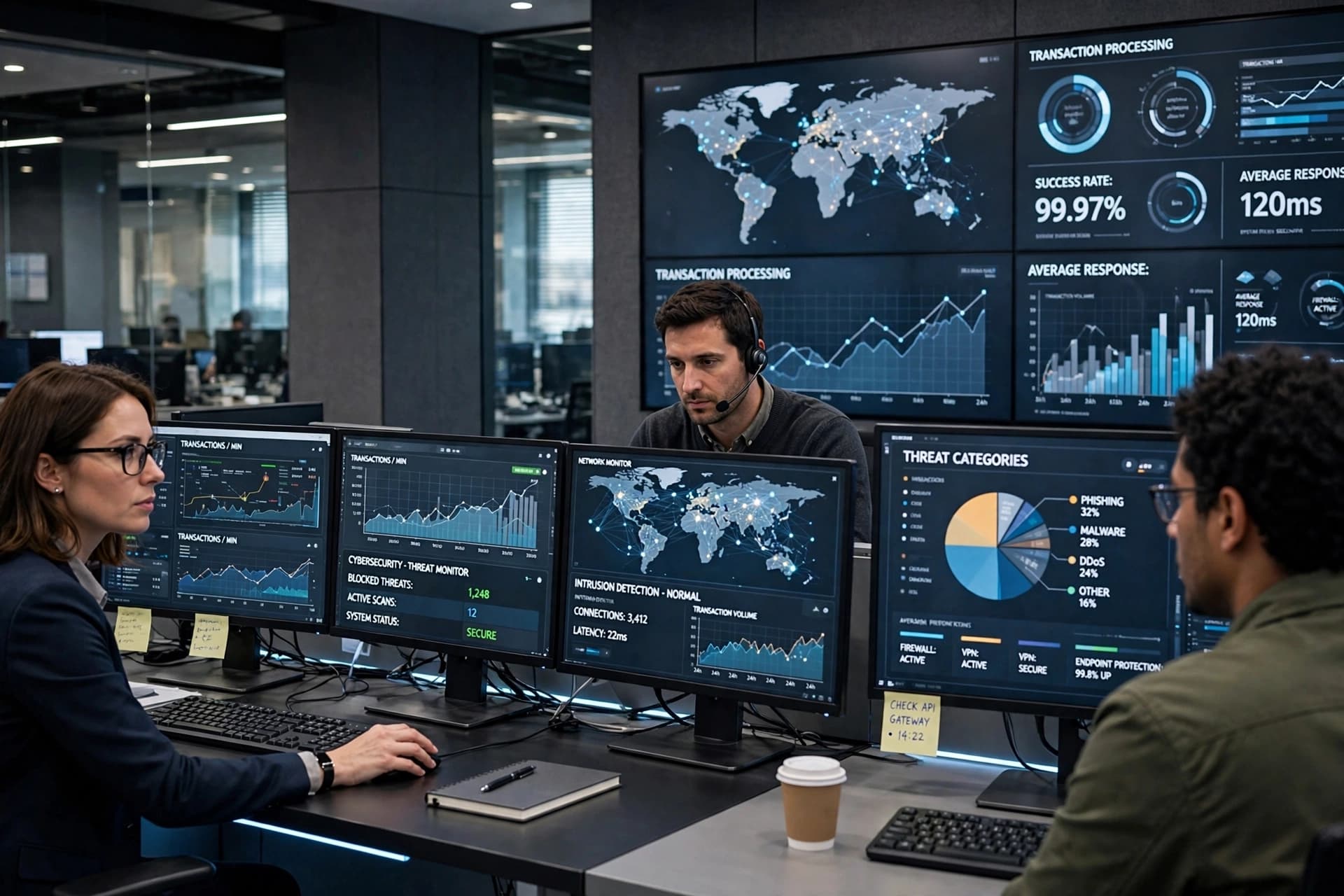
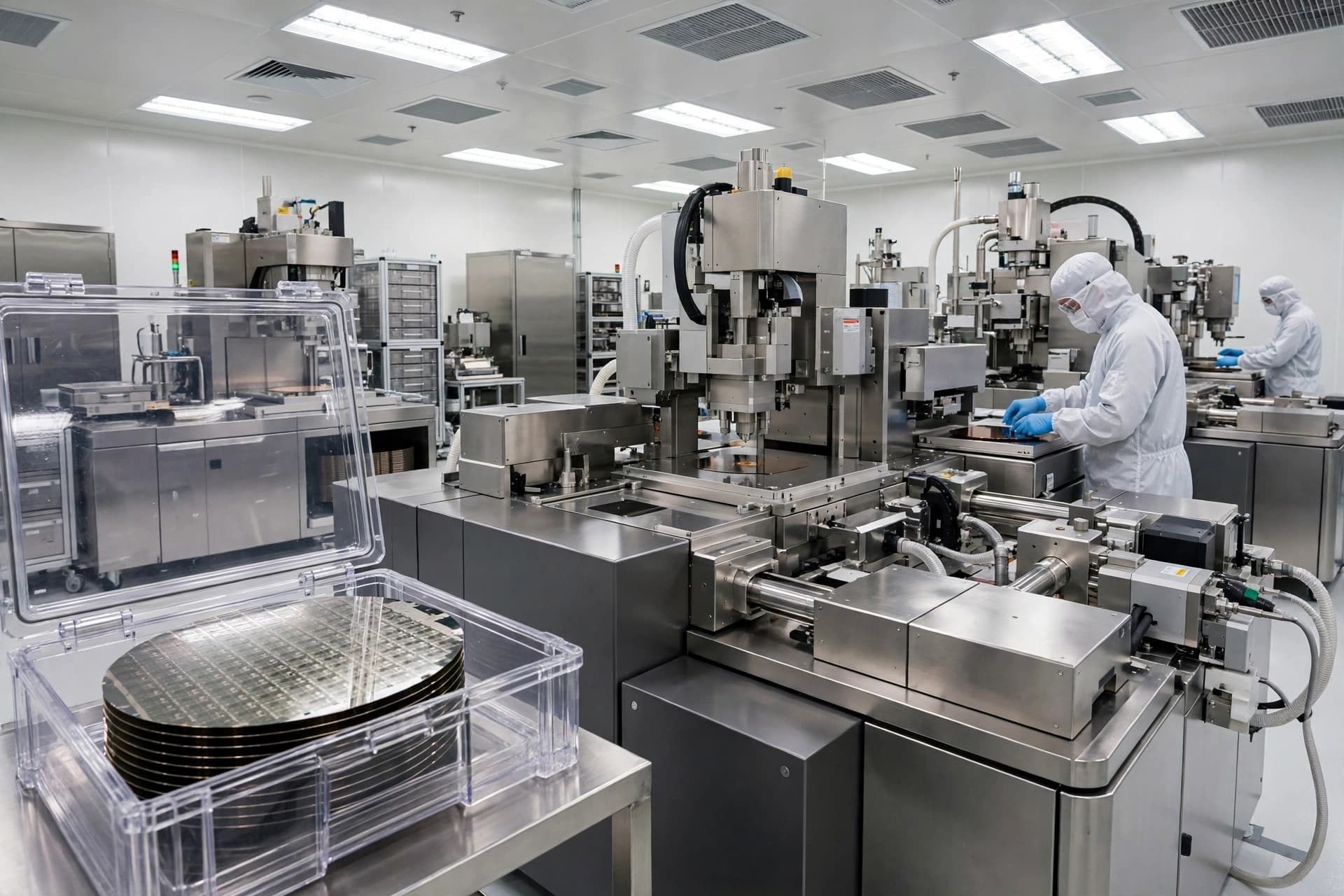
AI Image Disclaimer Visuals are AI-generated and serve as conceptual representations.
Published by Banx Network. This article is part of the Banx decentralized media programme, powered by the BXE token on the XRP Ledger.