There are places on our shared map where the hum of engines and the promise of cleaner travel seem poised to shape a new dawn — particularly across Southeast Asia, where the electric vehicle revolution is beginning to roll more deeply into everyday life. Yet beneath the gleaming surface of new factories and production lines lies a quieter question about who benefits most from this transformation. As Chinese carmakers accelerate electric vehicle (EV) production across the region, from Indonesia to Malaysia and Thailand, the potential gains for local workers and broader industrial ecosystems remain uncertain and nuanced, inviting thoughtful reflection on development, opportunity, and equity.
In recent months, a fresh wave of overseas investment has taken shape as Chinese EV producers — including giants like BYD and Chery — expand or plan to establish factories in Southeast Asia. These moves are driven in part by a saturated domestic market at home in China and attractive incentives offered by regional governments seeking to catalyze local production, stimulate demand, and position their countries as hubs for EV manufacturing.
Like new roads laid across familiar terrain, these facilities promise greater connectivity between markets, capital, and technology. Governments hope that local assembly and production will boost economies and create jobs — indeed, Indonesian officials project that a single factory could generate about 18,000 jobs, reflecting the tangible human potential tied to these developments.
Yet analysts caution that employment gains alone do not guarantee broader economic benefit. Much of the early investment has relied on imported suppliers and technology from China, with limited local supply‑chain participation so far. Rather than building up domestic parts industries, many Chinese carmakers are bringing in their own components and expertise to keep costs competitive, a strategy that can reduce opportunities for local manufacturers and workers to move up the value chain.
The picture becomes more complex as traditional automakers adapt to the shifting landscape. In Thailand, long dominated by Japanese producers like Toyota and Honda, the entrance of Chinese brands has coincided with Japanese firms trimming production capacity. This suggests that while jobs may emerge in new EV plants, employment may also shift rather than expand, redistributing work from legacy firms to newer entrants.
Local content requirements and government incentives aim to encourage deeper industrial integration, but experts note that technology transfer and supply‑chain localization — key ingredients for sustainable economic growth — are not yet fully realized. Without more robust engagement with local parts producers and skills development initiatives, the net gains for workers and homegrown industries could remain limited even as EV output rises.
Like any evolving landscape, the advance of EV production in Southeast Asia blends promise and caution. For workers and families in host countries, these investments offer opportunities — new skills, new jobs, and new paths. But the full harvest of opportunity depends on how governments, companies, and communities cultivate deeper roots rather than simply harvesting short‑term gains.
In clear and gentle terms, Chinese electric‑vehicle manufacturers are expanding production in Southeast Asia, driven by domestic market conditions and regional incentives. While these factories may create jobs and increase production capacity, analysts say it is still uncertain how much they will benefit local workers and industries in the long term, due to limited local supply‑chain involvement and technology transfer.
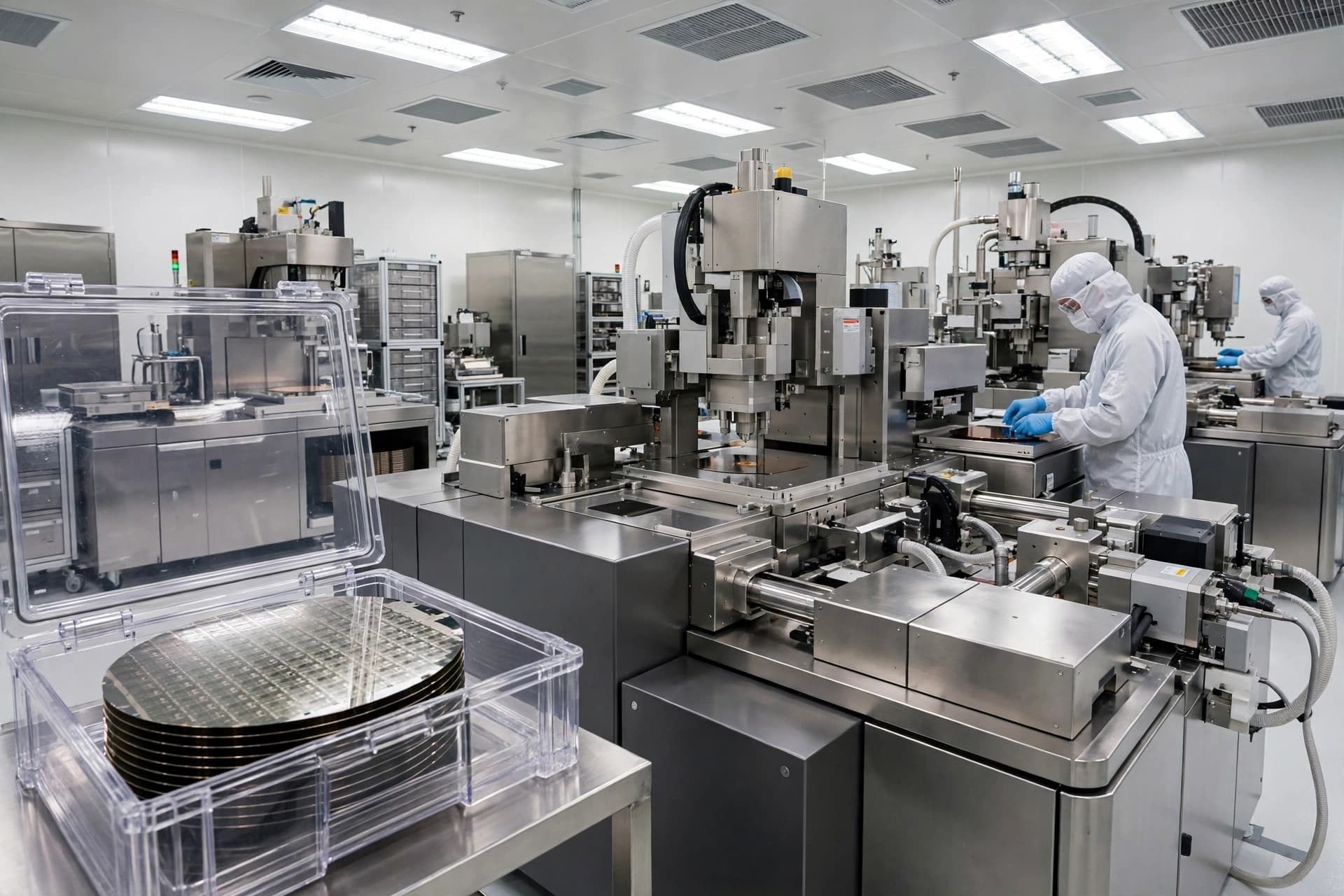
AI Image Disclaimer “Visuals are created with AI tools and are not real photographs.”
Sources The Straits Times, Bloomberg Hyperdrive, IEA Global EV Outlook, Asia Financial, SCMP opinion.
Published by Banx Network. This article is part of the Banx decentralized media programme, powered by the BXE token on the XRP Ledger.