There are moments in the life of a community that resemble the hush before a summer storm — when the air feels dense with unspoken questions, and the landscape seems to hold its breath. Such still points can follow violence, especially in places like Abiemnom County in South Sudan’s Ruweng Administrative Area, where the earth is rich with oil and the lines between peace and turmoil can seem as fragile as newly sprouted grass after a drought. In recent days, that region has been again swept into uncertainty, prompting a statement from the main opposition movement that sounds both firm and reflective: “We were not there.”
Early on March 1, local authorities in Unity State said an attack had erupted at dawn in Abiemnom, leaving several civilians, local officials, and soldiers dead, and a number of homes, markets, and government facilities burned in the flames of violence. That account, as somber as twilight shadows, suggested a sudden surge of conflict that unsettled the daily lives of families and communities.
In response, the Sudan People’s Liberation Army‑in‑Opposition (SPLA‑IO) released a calm but assertive message denying any role in the incident. Like a stream deflecting pressure, the statement sought to clarify the movement’s position: its fighters, the SPLA‑IO said, remained in their assigned locations and had not conducted operations targeting civilians. The spokesman reiterated a commitment to humanitarian law and the protection of non‑combatants, values that, in times of unrest, are often tested most severely.
There is, in this diplomatic denial, an echo of other moments in South Sudan’s recent history when parties to conflict have sought to disentangle responsibility from accusation. The civil war that broke out in 2013 left deep fissures in the country’s social fabric and was punctuated by multiple episodes of violence where blame and counter‑blame became part of the landscape of conflict, as seen in past disputes over events like the Bentiu massacre.
From Abiemnom’s dusty main road to the villages that circle it, people who witnessed the attack spoke of fear and shock. In areas where oil wealth promises shared benefit yet often fails to shield ordinary life from insecurity, such events resonate deeply. Officials from Ruweng linked the aggression to a combination of armed youth from neighboring areas and elements they described as linked to the SPLA‑IO — a claim the opposition firmly rejected.
In its statement, the SPLA‑IO accused the government and Unity State authorities of politicizing the violence — suggesting that narratives around blame may serve broader aims beyond simple reporting of facts. This tension reflects a broader pattern in South Sudanese politics, where incidents of community and inter‑communal violence are sometimes interpreted through political lenses as much as through security analyses.
At the heart of these headlines are people who must navigate a return to normalcy amid uncertainty. Families whose homes were damaged, traders who saw markets burn, and children whose routines have been disrupted are all actors in a story far larger than any single statement. And while political actors articulate their positions, the rhythms of daily life in Abiemnom — from fetching water to tending livestock — continue in the long shadows following the violence.
The SPLA‑IO has called for an independent investigation by the United Nations Mission in South Sudan (UNMISS) and the wider international community. Such a process, advocates argue, could help untangle conflicting accounts and provide clarity amid competing narratives.
Whether an inquiry unfolds, and how its findings would be received, remains to be seen. Amid the political assertions and public grief, the region’s fragile peace continues to be tested, not only by the events themselves but by how they are interpreted, reported, and understood both within South Sudan and beyond.
The government and local authorities allege that armed fighters attacked Abiemnom early Sunday, leading to numerous casualties and widespread property damage. The SPLA‑IO has denied involvement and labeled accusations as politically motivated. Calls for transparent investigation into the incident have been made to UNMISS and international stakeholders, as authorities work to assess the aftermath.
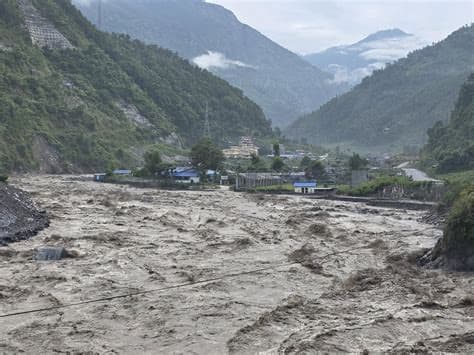
AI Image Disclaimer Illustrations were produced with AI and serve as conceptual depictions, not real photographs.
SOURCE CHECK
Credible outlets reporting on this topic:
Sudans Post The EastAfrican (regional context) Radio Tamazuj (regional reporting on South Sudan conflict) Reuters (general South Sudan conflict context) Al Jazeera (broader regional conflict context)
Published by Banx Network. This article is part of the Banx decentralized media programme, powered by the BXE token on the XRP Ledger.
.jpg&w=3840&q=75 "US Declares Drought Disaster for Parts of Puerto Rico as Dry Conditions Persist")