

Key Highlights
- Gaza is at a crossroads with a proposed disarmament plan for Hamas.
- The decision could reshape Hamas's political and military stance.
- Ongoing international mediation efforts aim to stabilize the region.
In recent weeks, Gaza has found itself at a pivotal moment in its tumultuous history. As Hamas grapples with a proposed disarmament plan, officials describe the situation as a “make-or-break” decision that could have profound implications for the region. This proposal, still under negotiation, touches on the sensitive issues of arms control and authority, which have long been at the heart of the Israeli-Palestinian conflict.
The disarmament proposal is not merely a technical measure; it represents a significant symbolic gesture that could alter the dynamics of power within Gaza. Accepting disarmament could lead to a shift in Hamas's political and military posture, potentially opening doors to new diplomatic avenues. Conversely, rejecting the plan may prolong existing tensions and limit the group's options for engagement with international stakeholders.
Amid these discussions, international mediation efforts are underway, aiming to reduce hostilities and foster conditions conducive to long-term stability in the region. Observers note that the stakes are high, with regional actors closely monitoring the situation. Neighboring countries and global powers view the disarmament proposal as a potential turning point—either leading to de-escalation or entrenching the current stalemate.
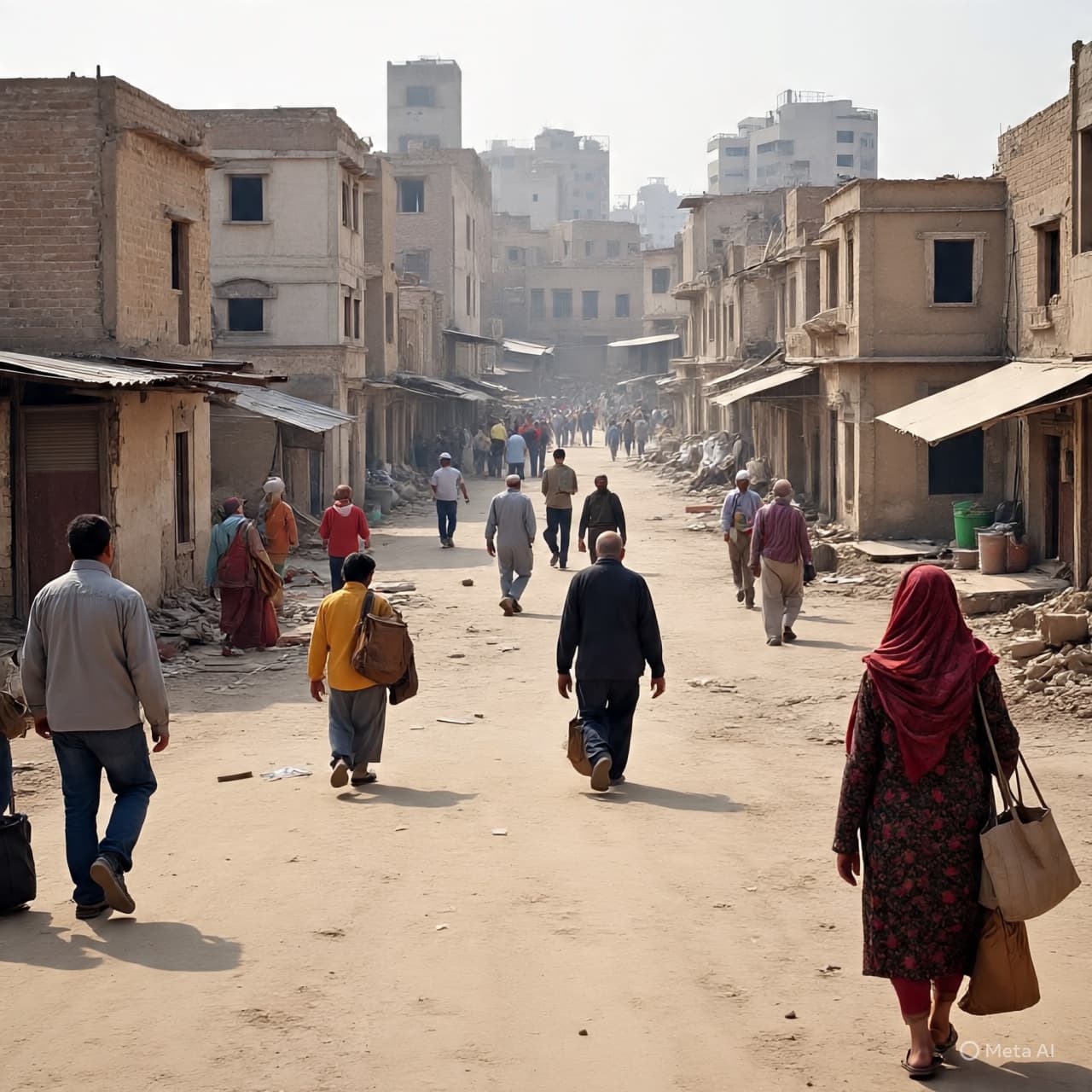
The complexities of the situation are further compounded by the realities faced by civilians in Gaza. For years, they have borne the brunt of the ongoing conflict, and the decisions made by their leaders will significantly impact their daily lives. As negotiations continue, the population watches closely, aware that the outcomes could shape their future for years to come.
Negotiations remain fluid, with no final decision announced as of yet. Officials involved in the discussions have indicated that the talks are sensitive and subject to change, reflecting the high stakes involved. Historical precedents suggest that similar proposals have often encountered significant challenges, caught between the harsh realities of politics and pressing security concerns.
Despite these challenges, the current moment carries a distinct urgency. Recent developments and renewed diplomatic engagement have created a backdrop that may influence the decision-making process. Whether this moment marks a significant shift in the trajectory of Gaza or simply another chapter in its complex history will depend on the choices made in the coming days.
As the world watches, the implications of this decision extend beyond Gaza, potentially affecting regional stability and the broader Middle East landscape. The coming weeks will be critical in determining the future of Hamas and the prospects for peace in the region.
Published by Banx Network. This article is part of the Banx decentralized media programme, powered by the BXE token on the XRP Ledger.




