
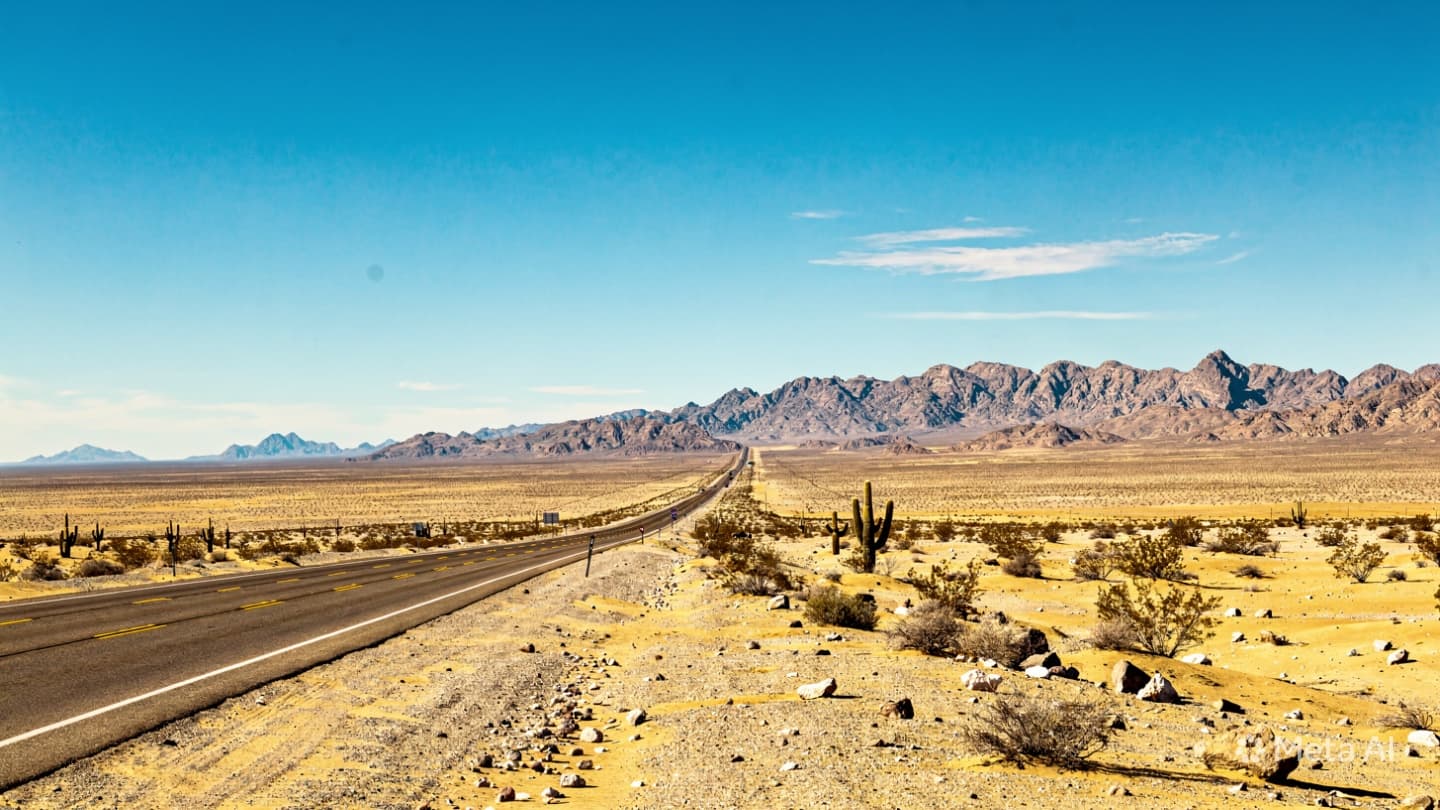
The highways traversing the northern stretches of Chile cut through some of the most arid landscapes on earth, where the earth is a palette of ochre and brown under an unyielding sun. Traveling these routes requires a sustained focus, as the immense distances between major centers can create a sense of profound isolation for drivers. The long, straight paths seem to merge with the horizon, making the movement of heavy commercial transport a constant fixture of the regional economy. On these open stretches, the speed of modern commerce interacts directly with the stillness of the desert, creating an environment where any sudden shift in momentum carries significant consequences.
There is a stark finality to an incident involving heavy transport on an open highway, a moment where the vast silence of the desert is briefly interrupted by the forces of motion. The physical remnants of the encounter are scattered across the tarmac, drawing the immediate attention of the few travelers who navigate these remote corridors. The sound of the impact carries across the flat plains, dissipating quickly into the empty space before the quiet of the desert asserts itself once more. For those who arrive upon the scene, the contrast between the immense landscape and the localized damage is striking.
Emergency services must travel significant distances from regional hubs to reach these remote coordinates, their flashing lights visible from kilometers away across the flat terrain. The responders work with a quiet efficiency under the bright glare of the daytime sky, their procedures dictated by the necessity of securing the area and restoring the flow of transit. The vastness of the surroundings offers no shelter, framing the human element of the recovery effort against an immense background of stone and sand. The coordination between local police and medical teams is methodical, a quiet exercise in logistics on the desert floor.
The aftermath leaves an invisible marker on the route, a specific point on the map that future travelers will pass as the highway returns to its usual patterns. In the towns that serve as the origins and destinations for these journeys, the news arrives as a quiet disruption to families awaiting the arrival of colleagues and loved ones. The impact of a highway incident resonates through the regional logistics sector, reminding communities of the human cost associated with the movement of goods through the desert. It brings a collective pause to those who make their living on the long roads of the north.
As the afternoon sun begins to lower, casting long shadows across the desert floor, the physical clearance of the highway allows the regular flow of traffic to resume. The heavy trucks slow down as they pass the site, their drivers observing the scene with a quiet recognition of the road's inherent demands. The dust raised by the recovery vehicles gradually settles back onto the desert floor, and the highway stretches out once more into the distance, indifferent to the event that transpired upon its surface.
The ongoing discussion regarding transportation safety along these major northern arteries is consistently renewed by events of this nature. It is a conversation that balances the economic necessity of high-volume freight corridors with the fundamental requirement of driver safety and infrastructure maintenance. The details of the afternoon are carefully preserved in official reports, serving as a data point for future safety measures while the families begin their private process of mourning.
The Chilean National Police confirmed that a head-on collision involving a commercial semi-truck and a passenger vehicle occurred on a northern highway segment in the Antofagasta Region. The incident resulted in three confirmed fatalities at the scene, causing significant traffic delays while emergency crews worked to clear the wreckage from the lanes. Traffic investigators are currently analyzing skid marks and vehicle placement to determine the precise sequence of events that led to the collision.
Published by Banx Network. This article is part of the Banx decentralized media programme, powered by the BXE token on the XRP Ledger.


