

Key Highlights
- Recent Israeli cabinet measures approved land registration in the West Bank.
- Critics argue this expands Israeli control and threatens peace efforts.
- International community expresses concern over legality and implications for Palestinians.
The Israeli cabinet's recent approval of a land registration process in the occupied West Bank has sparked significant controversy and concern among Palestinians and the international community. This decision is seen as a move to solidify Israeli claims to land that many believe should be part of a future Palestinian state. Critics argue that this policy not only broadens Israeli control but also undermines the prospects for a peaceful resolution to the long-standing conflict.
The land registration initiative is viewed by Palestinian leaders as a “grave escalation” in the ongoing struggle for territory. They argue that it represents a systematic effort to erase Palestinian claims to the land, further entrenching the Israeli presence in areas that are historically and culturally significant to Palestinians. The implications of this policy extend beyond administrative changes; they touch on the very essence of identity and belonging in a region fraught with historical grievances.
International reactions have been swift and critical. Countries such as Saudi Arabia and Jordan have condemned the Israeli measures, labeling them as violations of international law. The United Nations has also voiced its concerns, reiterating that all settlements in the occupied territories, including East Jerusalem, are considered illegal under international resolutions. These statements reflect a broader apprehension that such actions could derail ongoing peace efforts and exacerbate tensions in an already volatile region.
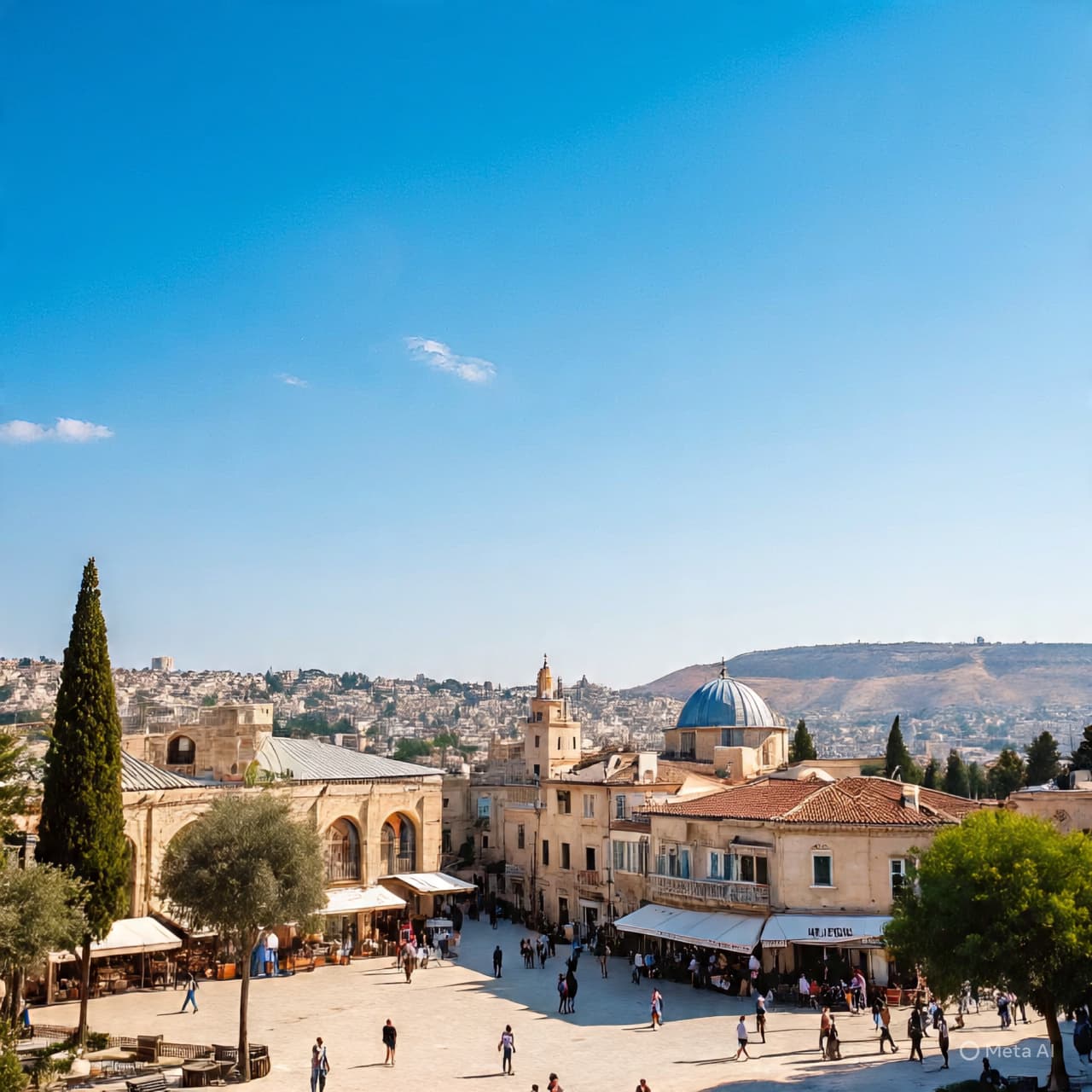
The land in question carries stories that predate modern political boundaries. From the olive groves of the West Bank to the hills surrounding East Jerusalem, the landscape is imbued with narratives of resilience and struggle. As the Israeli government moves forward with its land registration plans, these stories are layered with new complexities, raising questions about the future of coexistence in a land marked by division.
For many families, both Israeli and Palestinian, the implications of these policies are felt in their daily lives. Decisions made in government offices resonate in the streets, affecting where children play, where markets operate, and where families can cultivate their ancestral lands. The human impact of these political maneuvers underscores the urgent need for dialogue and understanding amidst the backdrop of conflict.
As discussions unfold in diplomatic circles, the voices of ordinary people continue to echo in the hills and valleys of this contested land. The daily rhythms of life persist, with families tending to gardens, children attending school, and communities gathering for prayer. These moments serve as a poignant reminder that while political maps may shift, the hopes and aspirations of those who inhabit this land remain steadfast.
In this critical juncture, the Israeli cabinet's decision stands as both a policy shift and a reflection of the human stories intertwined with the land. Observers suggest that any progress toward peace will require not only negotiations but also a commitment to respecting the rights and dignity of all individuals who call this region home. The path forward is fraught with challenges, yet it is through understanding and empathy that a shared future may be forged.
Published by Banx Network. This article is part of the Banx decentralized media programme, powered by the BXE token on the XRP Ledger.




