
Key Highlights
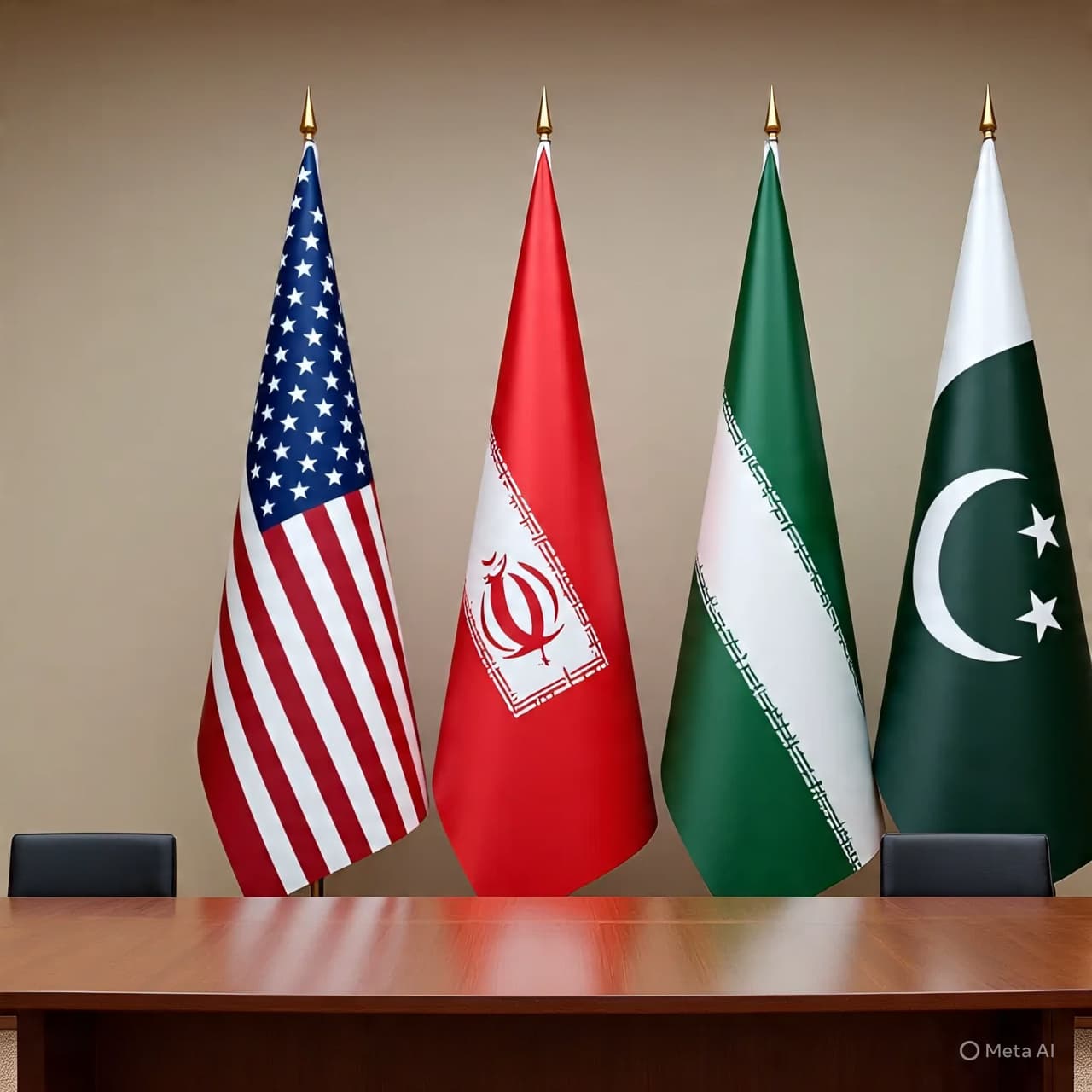
- Pakistan has offered to host talks aimed at easing tensions with Iran.
- The proposal reflects a broader regional effort for communication amid conflict.
- The endorsement by Trump adds visibility to the diplomatic initiative.
In the realm of international diplomacy, certain moments resonate far beyond their immediate context, shaping the future of relations between nations. Recently, Pakistan has stepped forward with a significant offer to host talks aimed at alleviating tensions with Iran. This gesture, while seemingly straightforward, arrives at a critical juncture where the interplay of conflict and diplomacy is particularly pronounced.
Pakistan's initiative to facilitate dialogue underscores a growing recognition of the need for communication in a region often fraught with discord. By positioning itself as a neutral venue for discussions, Pakistan aims to create an environment conducive to dialogue, free from the immediate pressures that often accompany direct confrontations. This role, while subtle, can be pivotal in fostering understanding and reducing hostilities.
The endorsement of this proposal by former President Trump has further amplified its visibility, thrusting it into the spotlight of international attention. While such amplification does not directly alter the geopolitical landscape, it signals a sustained interest in pursuing diplomatic avenues, even amidst ongoing tensions. This duality of strategic maneuvering and the pursuit of dialogue reflects a nuanced understanding of the complexities involved in international relations.
Iran's response to Pakistan's offer will likely be measured and cautious. The Iranian leadership will assess the proposal's intent, timing, and potential implications, weighing them against the backdrop of current conditions and historical interactions. So far, public reactions from Iran have been reserved, indicative of a broader trend where diplomatic overtures are scrutinized against the realities of the present and the lessons of the past.
As the regional dynamics continue to shift, the introduction of a potential venue for talks adds another layer to the ongoing narrative. Military developments persist, and the geopolitical context remains intricate. In this environment, the offer from Pakistan does not immediately alter the status quo but introduces a new possibility for dialogue that exists alongside the prevailing tensions.
Moreover, the implications of such offers extend beyond the immediate parties involved. Various stakeholders, including regional and global actors, will interpret the significance of Pakistan's proposal through their own lenses, leading to a spectrum of responses. For some, this represents a potential opportunity for peace; for others, it may evoke uncertainty about the future trajectory of regional relations.
Despite the complexities, there is a thread of continuity in diplomatic efforts. Progress often unfolds through a series of incremental steps—offers, responses, and reevaluations. Each individual action may seem modest, yet collectively, they contribute to the framework through which larger diplomatic outcomes can emerge.
The current moment encapsulates this pattern. Pakistan's offer has been made, acknowledged, and amplified, entering the broader discourse on international relations. Whether this leads to formal negotiations or remains a possibility is contingent upon various unfolding factors.
As of now, officials indicate that discussions surrounding these talks are still in their infancy, with no definitive timeline established. The situation remains fluid, shaped by both ongoing developments and the conversations that are yet to take place. The presence of Pakistan's offer stands as a potential pathway in a landscape marked by both tension and the hope for dialogue.
Published by Banx Network. This article is part of the Banx decentralized media programme, powered by the BXE token on the XRP Ledger.



