
Key Highlights
- Recent extreme weather events have disrupted transportation and local services across the U.S.
- Communities are enhancing emergency preparedness and infrastructure to cope with changing conditions.
- Businesses are developing strategies to manage supply chain disruptions caused by severe weather.
Extreme weather events have increasingly become a defining feature of life across America, reshaping how communities prepare for and respond to environmental challenges. From hurricanes battering coastal towns to heatwaves affecting urban centers, the impacts of these events are felt in various sectors, including transportation, local services, and the economy.
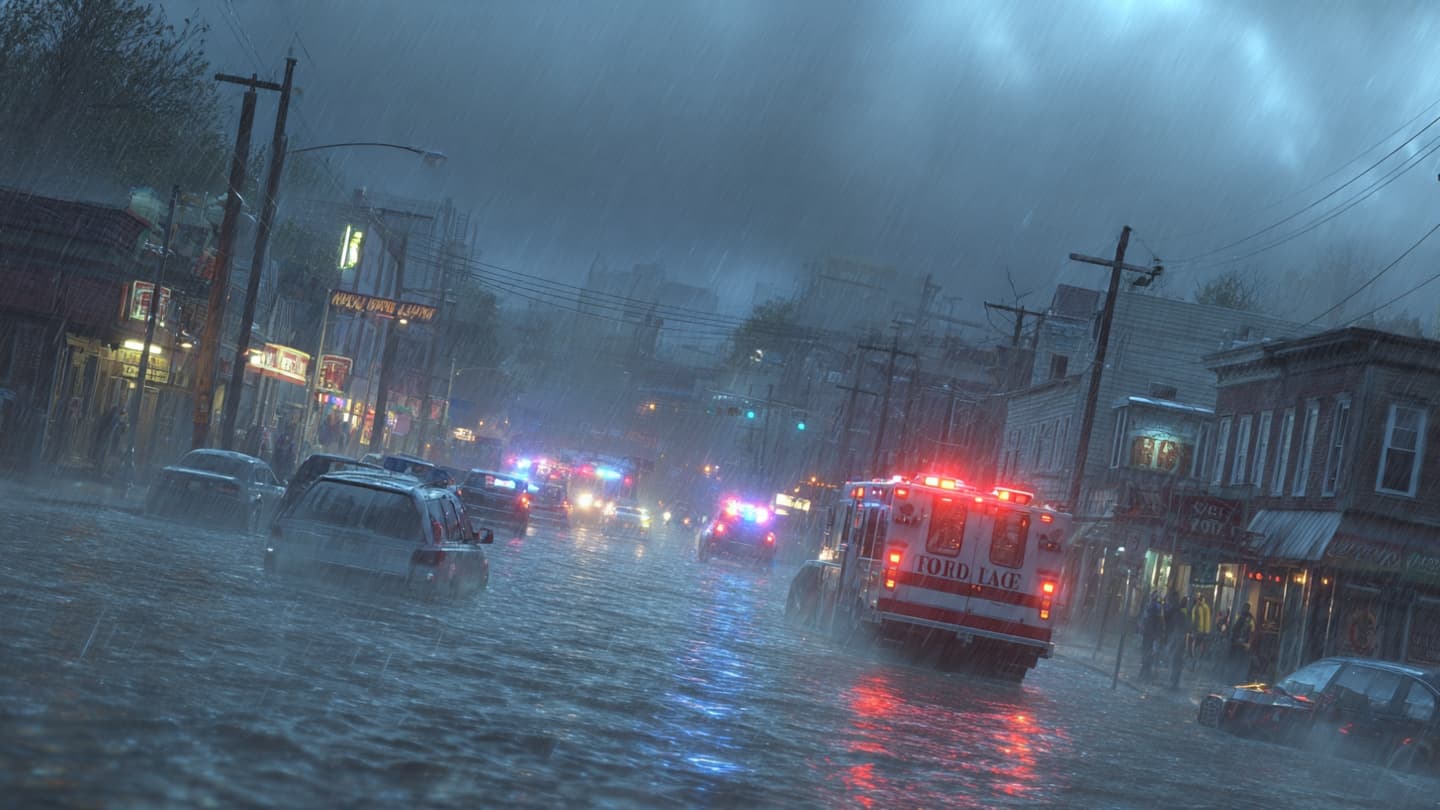
In recent months, several regions have experienced severe weather that has strained transportation systems and local services. Airports have faced delays, roads have been closed, and public facilities have struggled to maintain operations during extreme conditions. Authorities are actively monitoring these situations and are working to improve emergency response protocols to better serve affected communities.
The pressure on infrastructure during severe weather events highlights the need for robust emergency planning. Communities are increasingly focusing on preparedness, with local governments investing in infrastructure improvements and public awareness campaigns. These initiatives aim to equip residents with the knowledge and resources needed to respond effectively to extreme weather.
Businesses are also feeling the effects of extreme weather, as disruptions can significantly impact supply chains and daily operations. Companies are adapting by developing contingency plans to manage unexpected challenges, ensuring they can maintain operations even in the face of severe weather.
The relationship between communities and their natural environment is becoming more apparent as extreme weather events occur with increasing frequency. Local responses often depend on collaboration among residents, businesses, and government authorities. This cooperation is essential for effective disaster response and recovery efforts.
Scientists are actively studying changing weather patterns to better understand the risks associated with extreme weather. Their research informs planning decisions across various sectors, helping communities prepare for future challenges. As the United States continues to adapt to these environmental changes, maintaining essential services and economic activity remains a priority.
In conclusion, the ongoing impacts of extreme weather events underscore the importance of preparedness and resilience in American communities. As climate patterns evolve, the ability to respond effectively will be crucial for safeguarding lives and livelihoods.
Published by Banx Network. This article is part of the Banx decentralized media programme, powered by the BXE token on the XRP Ledger.



