

Key Highlights
- Milan's Al-Wahid mosque serves as a hub for Ramadan gatherings.
- Cortina d’Ampezzo presents challenges for Muslim worshippers.
- Interfaith support enhances community connections during the Olympics.
As the Winter Olympic Games unfold across northern Italy, a parallel journey is taking place: the sacred observance of Ramadan, marked by millions of Muslims worldwide. This year, the overlap of these two significant events invites a poignant reflection on faith, community, and the shared human experience. In Milan, a city renowned for its vibrant multiculturalism, the rhythms of Olympic excitement blend seamlessly with the solemnity of Ramadan.
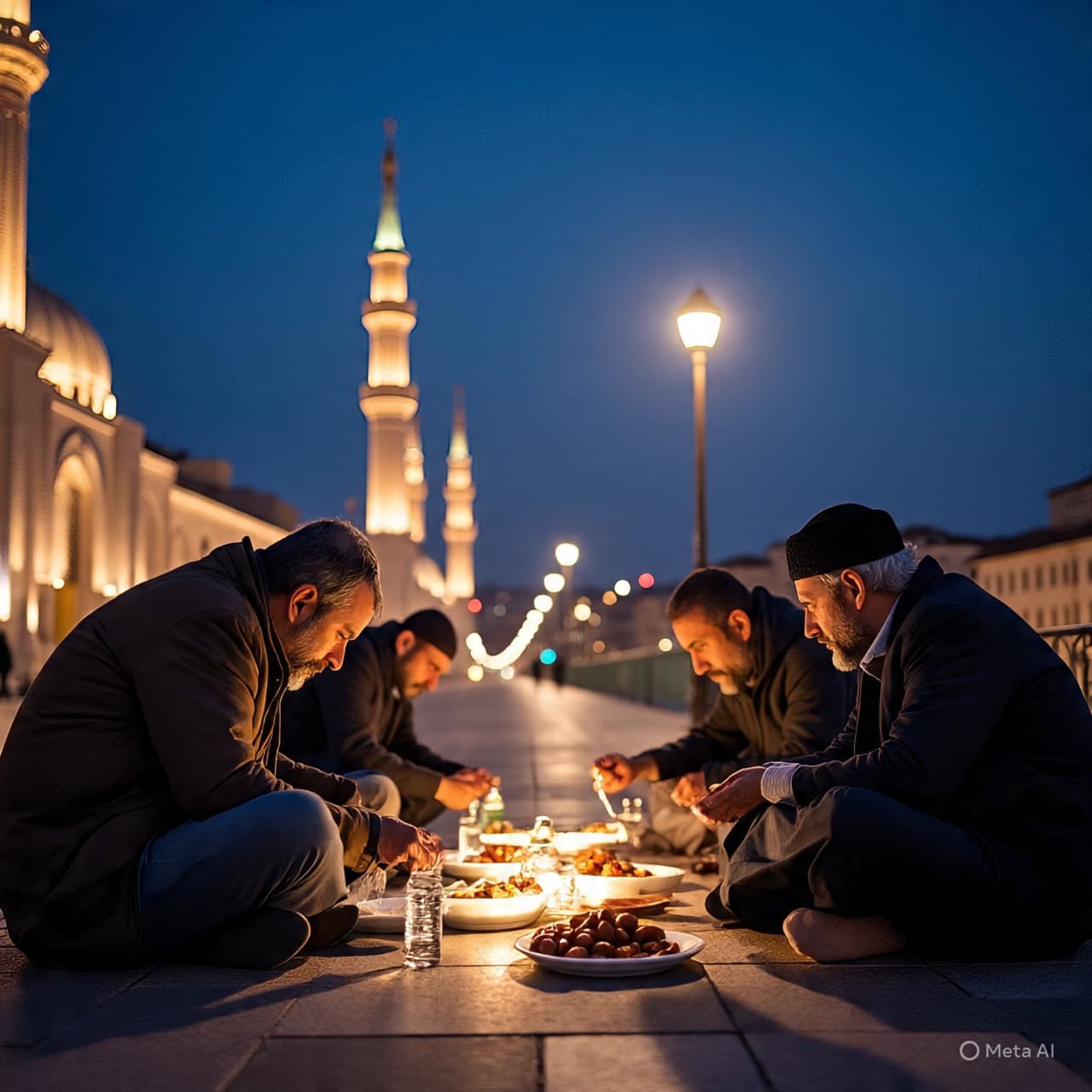
The Al-Wahid mosque, located near the Navigli district, has become a focal point for the local Muslim community. Each evening, as the sun sets, worshippers gather to break their fast, sharing meals and prayers in a spirit of unity. These iftar dinners often welcome guests from various faiths, including representatives from the Catholic Church, fostering a sense of shared humanity amidst the global spectacle of the Olympics.
Lombardy is home to nearly 400,000 Muslims, representing a rich tapestry of cultures from Morocco, Egypt, Bangladesh, Pakistan, and Bosnia. In this cosmopolitan environment, the call to prayer harmonizes with the cheers of Olympic crowds, illustrating how diverse traditions can coexist in a shared space.
However, the experience of Ramadan in Cortina d’Ampezzo, known for its picturesque mountain landscapes, presents a stark contrast. While the town is a hub for Olympic activities, it lacks the religious infrastructure found in Milan. Many Muslim workers and visitors face challenges in finding spaces to pray, often having to travel long distances to reach mosques in nearby towns like Brunico. Although interfaith prayer rooms are available for athletes, they are not accessible to the general public, limiting options for the wider community.
In these serene valleys, small Muslim communities have taken it upon themselves to create makeshift prayer spaces. They have set up curtained-off rooms for Friday prayers and established halal shops to cater to dietary needs. These efforts reflect a deep commitment to maintaining their faith and traditions, even in the face of logistical challenges posed by the Olympics.
The juxtaposition of Milan's urban vibrancy and Cortina's alpine tranquility highlights broader themes of faith and community. As Italy prepares to host the 2026 Winter Olympics, the experiences of Muslim observers of Ramadan reveal the evolving religious landscape of the country. In Milan, established mosques and interfaith support provide a welcoming environment for worshippers, while in Cortina, the lack of dedicated prayer spaces prompts creative solutions among residents and workers.
Ultimately, the stories emerging from these two cities underscore the resilience of faith and the human spirit. As individuals navigate the complexities of observing Ramadan during a global event, they carve out sanctuaries of worship and fellowship, reminding us of the profound connections that transcend borders and cultures.
Published by Banx Network. This article is part of the Banx decentralized media programme, powered by the BXE token on the XRP Ledger.




