In Canberra, the mornings often arrive quietly. The city wakes beneath wide skies and orderly streets, where government buildings stand among carefully planted trees and the calm geometry of planned avenues. Decisions made here rarely feel dramatic in the moment. They emerge slowly—from meetings, briefings, and the steady language of diplomacy.
Yet sometimes those decisions echo far beyond Australia’s shores.
As tensions in the Middle East continue to intensify, Australia’s government has found itself navigating the difficult space between alliance and independence. Prime Minister Anthony Albanese has taken a notably pragmatic tone while responding to the escalating conflict between the United States, Israel, and Iran, even as former U.S. President Donald Trump’s rhetoric toward Tehran has grown increasingly forceful.
Trump’s statements have framed the confrontation in stark terms, warning of potentially large strikes against Iran and portraying the country as a strategic adversary that must be confronted decisively. Such language, delivered in the cadence of political certainty, carries weight among Washington’s allies—particularly those whose security relationships are closely tied to American power.
Australia is one of those allies. Through decades of defense cooperation, intelligence sharing, and joint operations, Canberra and Washington have developed one of the closest military partnerships in the Western alliance system. From Afghanistan to maritime patrols in the Middle East, Australian forces have often worked alongside American units.
That history now shapes the quiet calculations unfolding within Australia’s government.
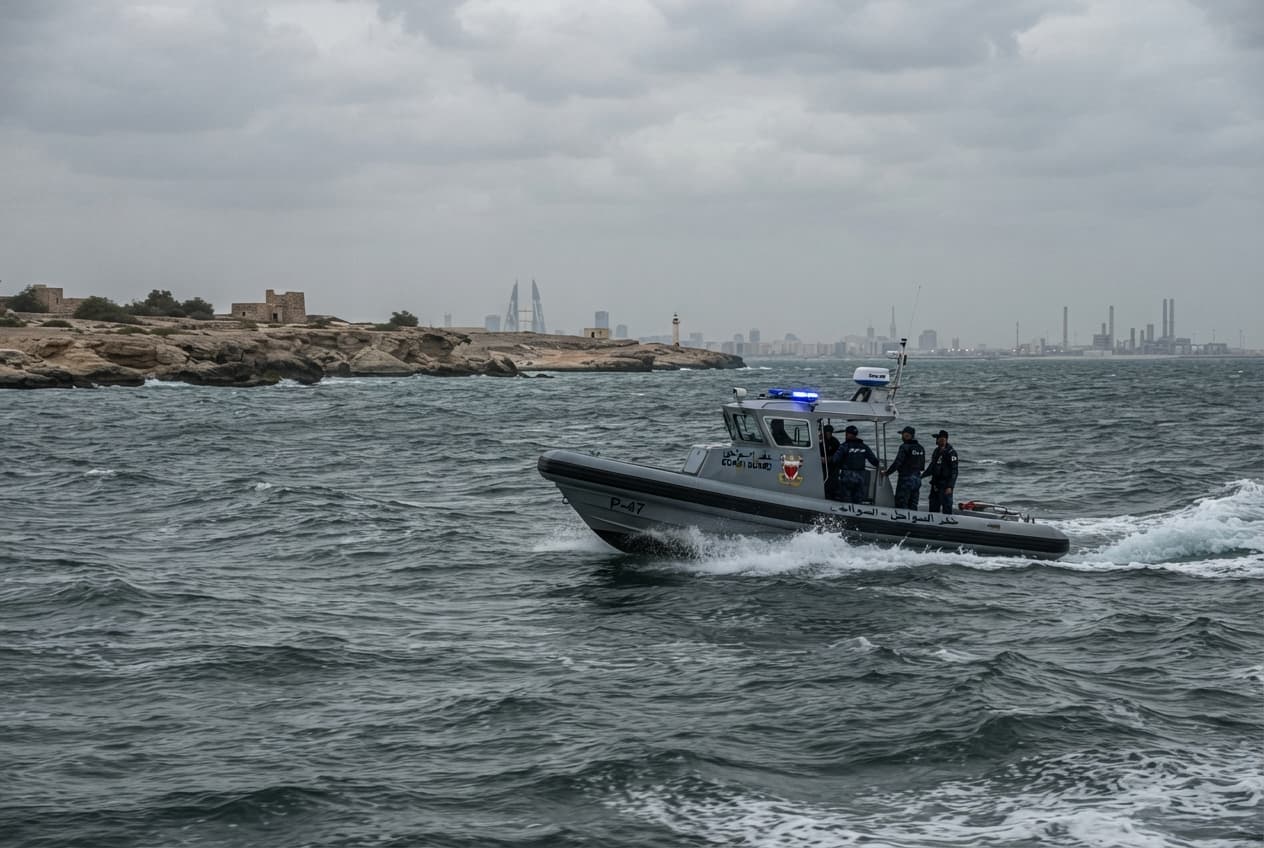
Prime Minister Albanese has signaled that Australia will continue to support international stability and protect global shipping routes, particularly in the Persian Gulf where energy supplies and commercial shipping lanes are vital to the global economy. Yet his government has also emphasized caution—carefully weighing how far Australia should go in supporting any expanding military response.
Critics of deeper involvement argue that the country must remain mindful of past experiences in distant conflicts. The phrase “Operation Epic Fail,” circulating in political commentary, reflects concerns among some analysts and opposition voices that following the United States too closely into another Middle Eastern war could repeat earlier strategic missteps.
Supporters of the alliance, however, see the situation differently. For them, cooperation with the United States represents a cornerstone of Australia’s security posture. In their view, supporting defensive operations—such as protecting shipping lanes or assisting Gulf partners—does not necessarily mean entering a full-scale conflict.
The debate unfolding in Canberra therefore mirrors a broader question faced by many allied governments: how to balance loyalty to long-standing partnerships with the realities of an increasingly complex international landscape.
Meanwhile, the conflict itself continues to unfold thousands of kilometers away. Israeli strikes inside Iran have targeted military infrastructure and energy facilities, while Iran has responded with missile and drone attacks toward Israeli territory and U.S.-linked sites across the region. Air defense systems across several countries have intercepted projectiles, leaving bright arcs across the night sky above cities far removed from the original flashpoints.
For Australia, these distant events carry both strategic and economic implications. The Persian Gulf remains one of the world’s most important corridors for energy exports and maritime trade. Any disruption to those routes—whether through direct attacks or escalating military presence—can ripple quickly through global markets and supply chains.
And so the government’s language remains measured, shaped by both alliance commitments and domestic debate. Pragmatism, in this context, becomes a careful balancing act: maintaining strong ties with Washington while ensuring that Australia’s own interests and judgments remain part of the decision-making process.
In the quiet corridors of Canberra, such calculations rarely produce dramatic headlines. Instead, they unfold through steady diplomacy, cautious statements, and the long tradition of alliance consultation.
Yet as the war in the Middle East continues to evolve, the choices made in those calm government offices may determine how closely Australia walks beside its most powerful ally—and how far that path ultimately leads.
AI Image Disclaimer Images are AI-generated and serve as illustrative representations.
Sources Reuters Associated Press BBC News The Guardian Australian Broadcasting Corporation
Published by Banx Network. This article is part of the Banx decentralized media programme, powered by the BXE token on the XRP Ledger.