The neighborhood known as Langgar Alley has always existed in a state of precarious equilibrium, where the narrow streets seem to hold their breath against the encroaching chaos of the city. For years, a quiet, structured rhythm permeated this space, a rhythm dictated not by the sun or the seasons, but by the complex, hidden operations of a trade that preferred the shadows. It was a place where information moved in whispers and the air itself felt heavy with the unspoken knowledge of those who lived there. To the casual observer, it was merely an old quarter, but to the initiated, it was a finely tuned machine of illicit exchange.
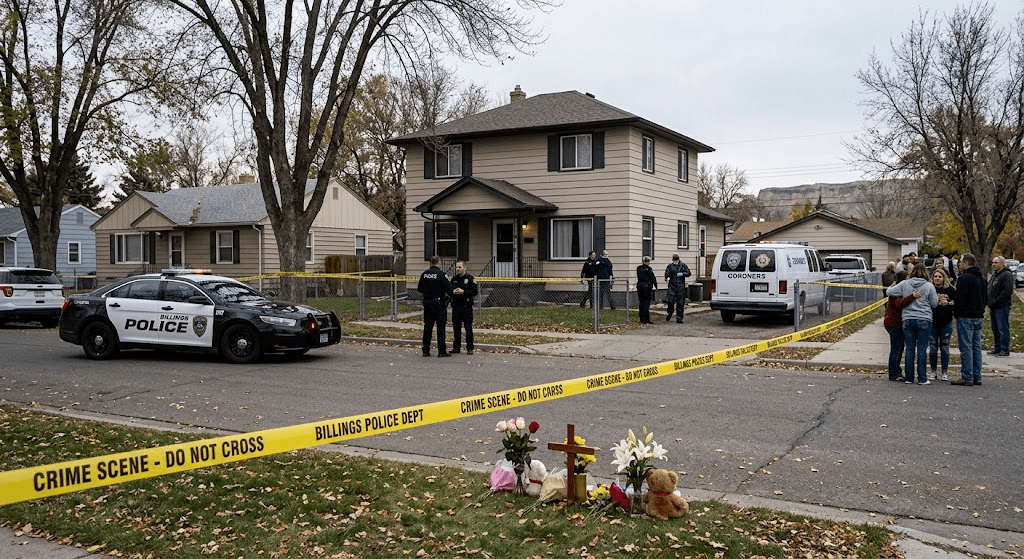
The arrival of the authorities was less a dramatic intrusion than a slow, inevitable realignment of the neighborhood’s reality. When the police finally moved to dismantle the syndicate that had long claimed this space, the process felt like the removal of a long-standing, unseen wall. The operation was precise, stripped of the clamor often associated with such interventions, focusing instead on the careful deconstruction of the networks that had anchored themselves in the community. It was the end of a long, sustained season of hidden activity, leaving the residents to adjust to a new, unfamiliar stillness.
In the aftermath, the focus has shifted to the delicate task of restoration. Officials are now navigating the tangled history of the syndicate’s influence, working to understand how such an operation could function with such persistence within the heart of the district. The investigation is centered on identifying the core components of the network, tracing the flow of substances that moved from this alley out into the wider city. It is a task that requires patience, as investigators comb through the remnants of the operation to piece together its internal logic.
The individuals who once governed these streets are now subject to the standard rigors of the judicial process. There is a sense of detachment in the way these matters are now being handled, a shift from the charged atmosphere of the raid to the cool, reasoned environment of the courtroom. The authorities are documenting the syndicate’s methods, its hierarchy, and the sheer scale of the trade that occurred behind closed doors. This data is not just evidence; it is a map of the social currents that allowed the operation to persist for so long.
As the legal wheels turn, the community itself begins a tentative process of reflection. The sudden absence of the syndicate has created a vacuum, a space where the neighborhood is re-evaluating its own identity. For those who called the alley home, the change is palpable, a shifting of weight that feels both unsettling and necessary. There is a hope that this transition will lead to a more transparent existence, where the streets are no longer defined by the shadows they once harbored.
The police have stated that this dismantling is a significant step in their broader commitment to public order. By focusing on the structural roots of the syndicate, they aim to ensure that the conditions that allowed for its growth do not recur. It is a long-term goal, one that prioritizes the stability of the neighborhood over the immediate gratification of quick arrests. The commitment is to a sustained presence, ensuring that the law is not just a passing visitor but a permanent resident of the district.
Throughout this process, the language used by officials has been one of careful, measured communication. There are no grand pronouncements, only the steady delivery of facts regarding the ongoing investigation. The focus remains on the integrity of the process, ensuring that every step taken is within the bounds of the established legal framework. It is a quiet, professional approach that reflects the gravity of the situation and the necessity of long-term reform.
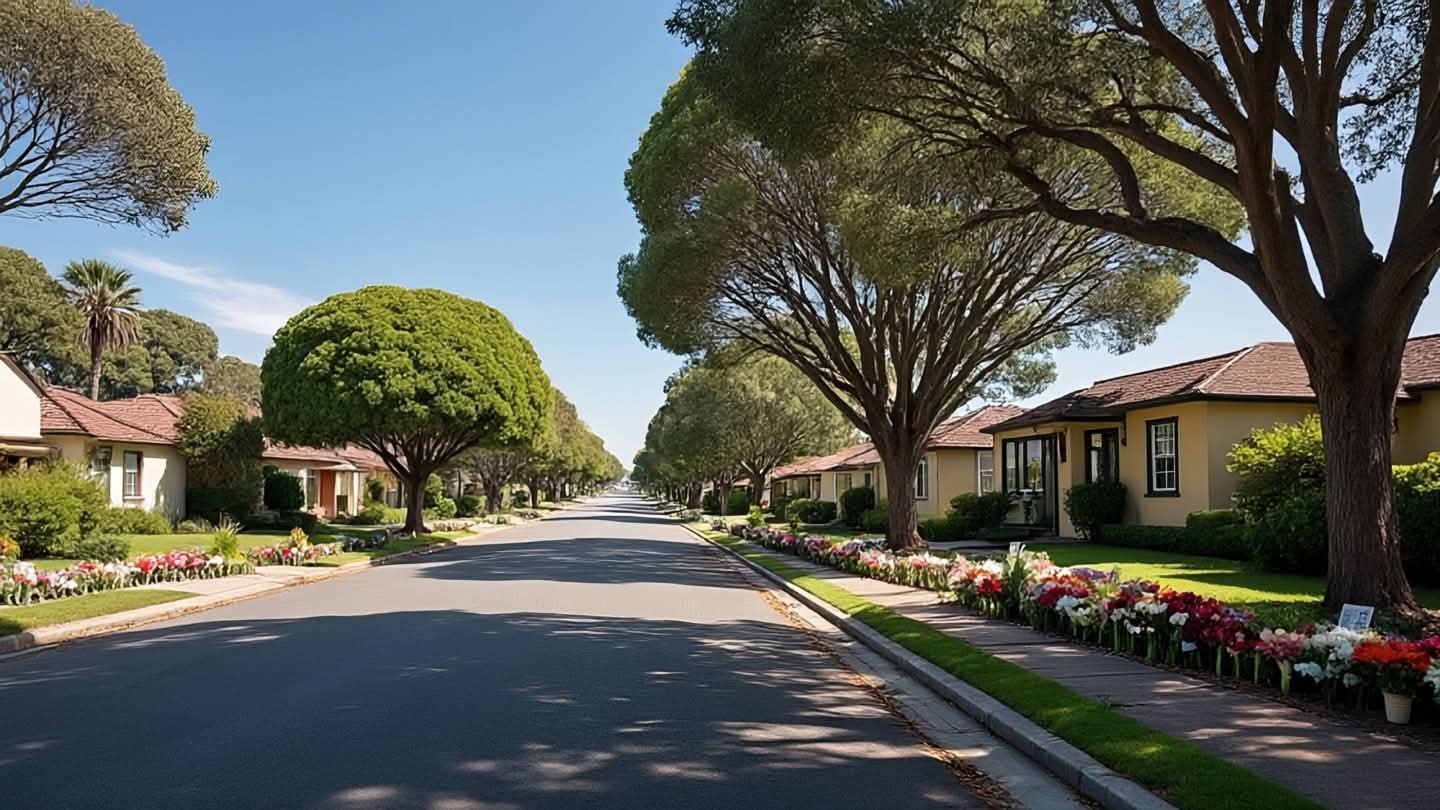
As the sun sets over Langgar Alley, the atmosphere is markedly different than it was mere days ago. The quiet that now rests upon the street is one of peace rather than secrecy, a sign that the neighborhood is slowly finding its own voice again. The investigation will continue, and the legal repercussions will unfold, but the most significant change is the return of the alley to its rightful place within the city. The story of the syndicate is coming to a close, and with it, the beginning of a new, quieter chapter.
Published by Banx Network. This article is part of the Banx decentralized media programme, powered by the BXE token on the XRP Ledger.