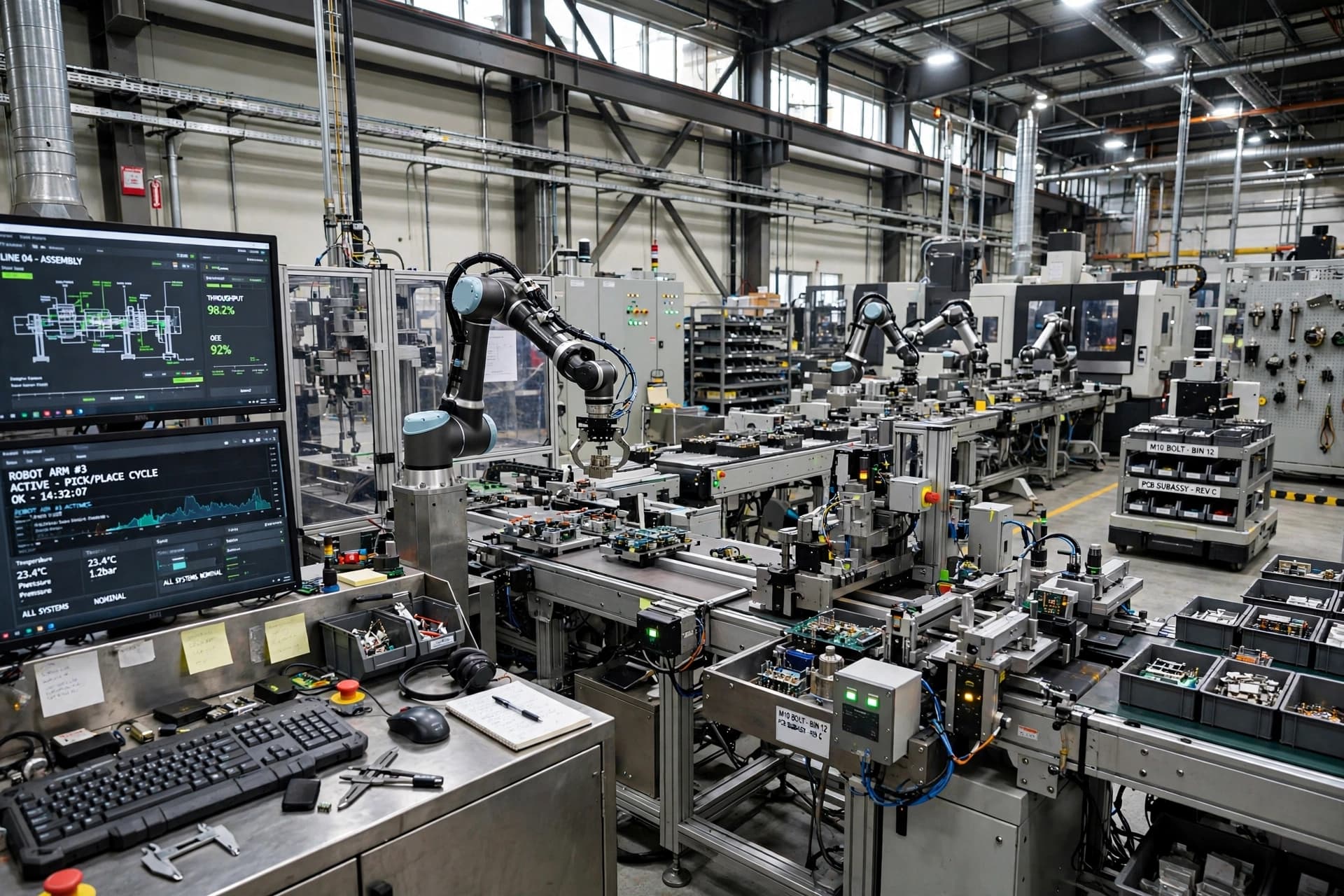
In every nation, the tax system moves quietly beneath daily life, much like a river flowing beneath a city. Salaries pass through it, businesses contribute to it, and from its steady current emerge the schools, hospitals, and roads that shape public life. For generations, the river has followed familiar channels—built around wages, company profits, and the steady rhythm of human work.
Now, a new current is beginning to flow beside it.
The growing influence of artificial intelligence has prompted fresh questions about how modern economies will sustain the revenue that governments rely upon. This week, the chair of Commonwealth Bank of Australia, Paul O'Malley, offered a cautionary note, suggesting that rapid advances in AI could significantly erode Australia’s tax base if policymakers do not adapt to the changing nature of work and production.
Speaking at a business gathering, O’Malley said the rise of automation and AI-driven systems could reduce the share of economic activity tied directly to human labor—an important consideration in a country where personal income tax accounts for a large portion of government revenue. As machines take on more tasks traditionally performed by workers, the tax collected from wages could gradually decline.
His comments arrive during a period of accelerating investment in artificial intelligence across industries. From finance and logistics to healthcare and customer service, companies are increasingly experimenting with tools capable of analyzing data, generating text, processing images, and performing complex tasks with minimal human input. The technology has already begun reshaping parts of the workforce, even as its full impact remains uncertain.
Australia’s tax structure has long depended heavily on income taxes paid by individuals. According to economic data frequently cited by policymakers, personal income tax contributes a substantial share of federal revenue, exceeding the portion collected from corporate taxes and other sources. This structure means that large shifts in employment patterns could eventually ripple through the public finances.
O’Malley suggested that if AI significantly reduces the need for human labor across certain sectors, governments may need to reconsider how economic value is taxed. The conversation, he indicated, could eventually involve new approaches to taxation that reflect a world where machines perform a greater share of productive work.
The question is not unique to Australia. Economists around the world have begun exploring how automation might reshape fiscal systems built around employment income. Some analysts have proposed concepts such as broader corporate taxation, digital services taxes, or even forms of “robot tax,” though none of these ideas has yet gained universal consensus.
For now, the discussion remains largely theoretical, unfolding in policy forums and academic papers while the technology itself continues to evolve. Artificial intelligence, after all, is still moving through an early stage of adoption, with many businesses experimenting cautiously rather than replacing large segments of their workforce outright.
Yet the speed of recent advances has encouraged leaders in both government and industry to think further ahead. Technologies that once appeared experimental are quickly entering everyday tools, prompting broader reflection about how economies—and tax systems—may change over time.
In the end, the concern raised by the Commonwealth Bank chair is less about immediate disruption than about the long horizon of economic transformation. If the relationship between work, productivity, and income shifts in the coming decades, the structures designed to collect public revenue may also need to evolve.
Paul O’Malley said policymakers should begin considering the implications now, noting that artificial intelligence has the potential to reshape labor markets and, in turn, the tax base that supports government services across Australia.
AI Image Disclaimer
These visuals are AI-generated illustrations intended for conceptual representation only.
Sources
Reuters The Australian Financial Review The Australian ABC News Bloomberg
Published by Banx Network. This article is part of the Banx decentralized media programme, powered by the BXE token on the XRP Ledger.