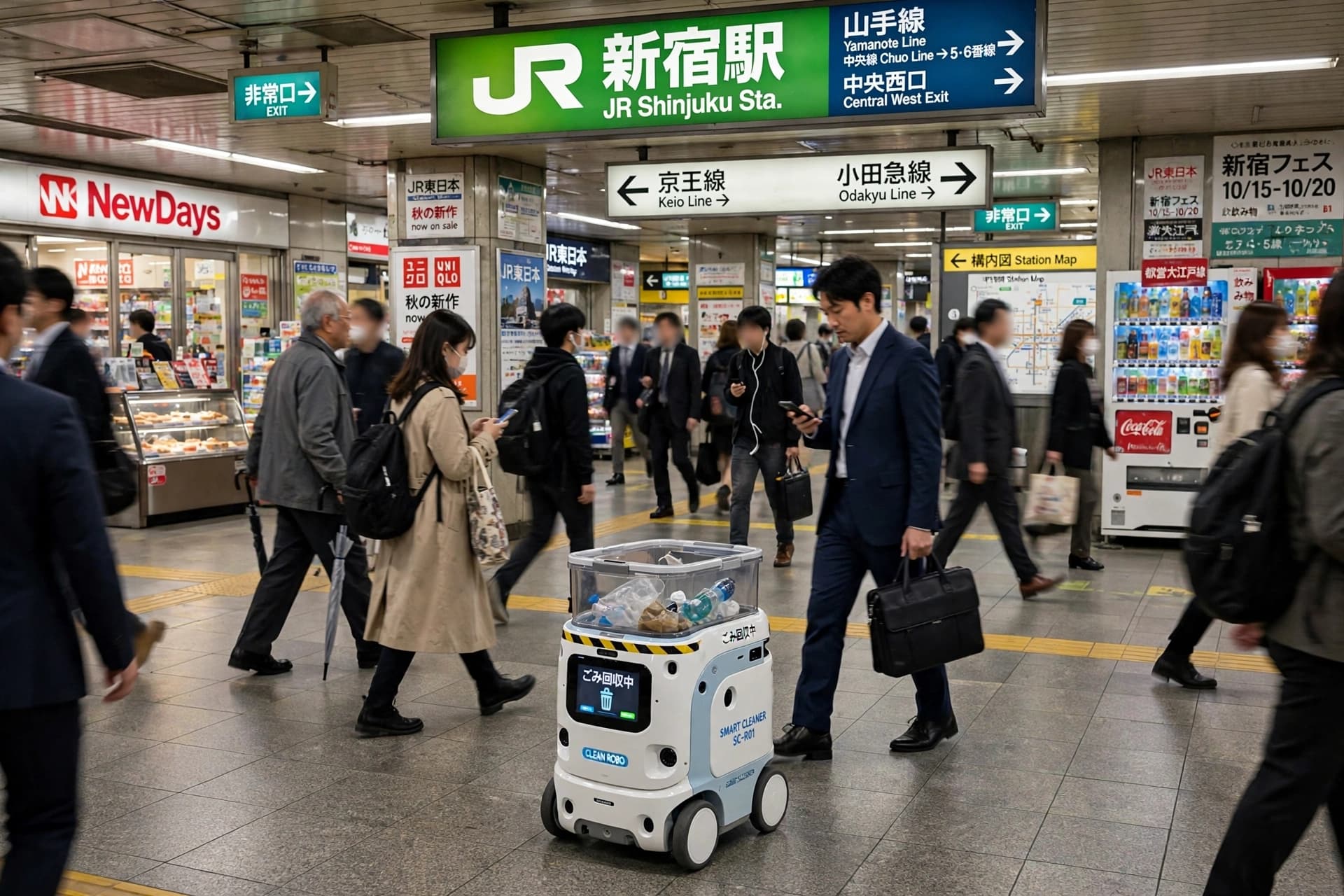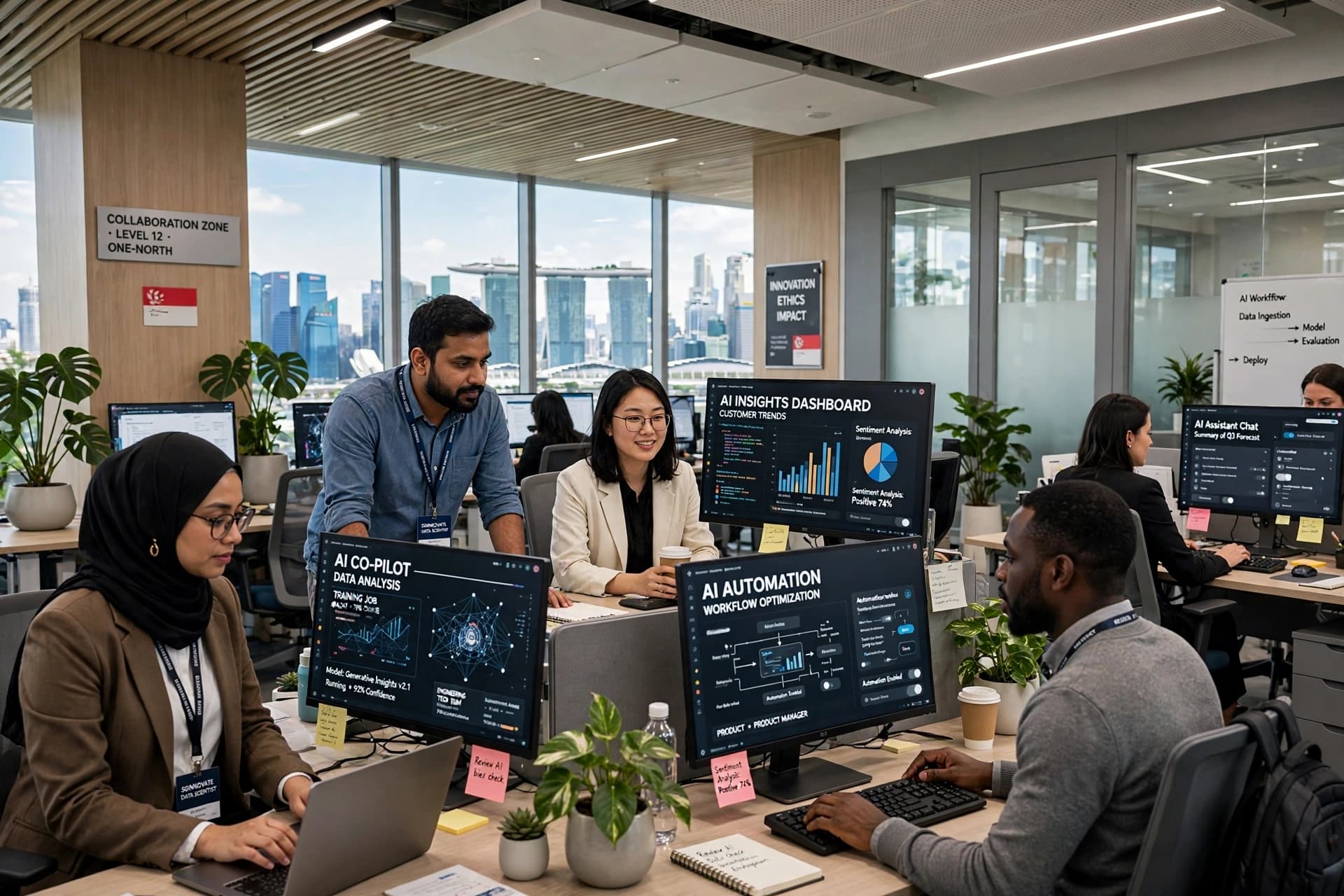
Artificial intelligence often arrives in workplaces quietly. A new software system appears, a repetitive task disappears, or a familiar process becomes automated. For employees, however, the effects can eventually become much more visible.
Singapore companies are being encouraged to communicate more openly with employees about how artificial intelligence could affect jobs and workplace responsibilities. The message was delivered by Senior Minister of State for Digital Development and Information Jasmin Lau at the launch of SG AI Xchange on September 17.
Lau said companies should explain their plans when automation is expected to change existing work. She also said employees should be informed about potential retraining requirements and other changes that may accompany the introduction of AI.
The issue is becoming increasingly relevant as Singapore sees greater investment in artificial intelligence. Technology companies are expanding their presence, while businesses in other sectors are experimenting with AI tools for customer service, administration, analysis and production.
For workers, uncertainty can arise when companies introduce technology without clearly explaining what it means for existing roles. An employee may not know whether AI is intended to support their work, replace certain tasks or create an entirely different set of responsibilities.
Lau also pointed to a distinction between AI-related transformation and broader business conditions. A company might reduce hiring or change its workforce because of weaker demand, while employees could mistakenly assume the decision is entirely connected to artificial intelligence.
Training is another part of the transition. As companies adopt new systems, some employees may need to develop technical skills or learn how to work alongside automated tools. That can turn AI adoption from a purely technological decision into a workplace-development issue.
The Singapore government has been promoting the wider adoption of AI while also emphasizing the importance of preparing workers for technological changes. Platforms such as SG AI Xchange are intended to allow companies to share experiences and approaches to adopting and scaling AI.
The discussion also reflects a broader change in how companies introduce technology. Artificial intelligence is no longer confined to specialist laboratories or technology firms; it is increasingly becoming part of ordinary office and business operations.
For Singapore’s workforce, the next stage of the AI transition may therefore depend not only on what machines can do, but also on how clearly people understand the changes around them. As algorithms enter more workplaces, communication becomes another part of the technology story.
IMAGE DISCLAIMER
Illustrations were created using AI tools and are conceptual representations, not photographs of actual workplaces or employees.
SOURCES
Channel NewsAsia Ministry of Digital Development and Information SG AI Xchange The Straits Times
Published by Banx Network. This article is part of the Banx decentralized media programme, powered by the BXE token on the XRP Ledger.

.jpg&w=3840&q=75 "King Charles Warns AI Leaders of “Existential Dangers” During Summit in Scotland")