In a glass‑walled auditorium where whiteboards gleam and people speak in acronyms, there exists another kind of landscape shaped by patience and invisible pressure. It is not measured in lines of code or gigabytes of storage, but in the absence of presence: fewer voices at the table, fewer footsteps echoing down corridors that seem to welcome some and leave others behind. This is the quiet geometry of women and technology, a place where possibilities and exclusion sometimes move in parallel, rarely overlapping as freely as the ideal of innovation suggests.
For decades, the promise of technology was, almost poetically, that it would expand the horizons of work and life. Computers once opened new spaces for education and expression. Yet, as the field evolved into the commanding heights of the global economy, that promise has often been tempered for women by patterns of participation, recognition, and safety that replicate old hierarchies rather than dismantle them. In the broad sweep of headlines and market reports, the stories of products and profits can overshadow the lived experiences of those whose journeys through tech were meant to be shared but too often are solitary.
Across the industry, women remain under‑represented in technical roles and leadership levels, contributing to the circles of decision‑making where technologies are shaped and deployed. This imbalance is reflected in data on workforce participation, where women occupy only a fraction of engineering and development posts, and the patterns of recruitment and advancement often mirror long‑standing social stereotypes rather than the full range of talent available.
The story deepens when the technologies themselves are examined. Systems trained on data drawn from a world already marked by inequality can replicate and even amplify those patterns, producing outputs that reflect stereotyped roles or overlook women’s experiences and needs. In artificial intelligence and machine learning, experts have shown that models may skew results in ways that echo the biases present in the texts and images on which they are trained, subtly reinforcing old narratives rather than challenging them.
Elsewhere, the digital realm has become a stage for harms that extend beyond skewed predictions or technical oversights. Legislators and advocates in some countries have drawn attention to the rise of non‑consensual imagery and abusive content that disproportionately affects women and girls, prompting proposals for stricter requirements on platforms to remove such material swiftly and to build safer online spaces. These measures reflect a broader conversation about how the design and governance of technology intersect with everyday safety and dignity.
Amid these systemic patterns, there are also countless individual stories: of women who entered the field with eagerness, only to encounter environments that did not recognize their contributions, or whose voices were muted in discussions dominated by others. Some have chosen entirely different paths, carrying their skills to places where they feel more seen and valued; others persist, drawing on networks of support and the conviction that change can be shaped from within. Yet these personal journeys, when woven together, map a terrain that remains uneven, shaped by culture, structure and the slow work of transformation.
In this moment, as technology continues to evolve with language models, data‑driven systems and digital platforms woven ever more tightly into social life, the question of how tech serves — or overlooks — half of humanity is not merely rhetorical. It is a practical matter of design, governance, and participation. As advocates call for inclusive practices and policymakers consider new frameworks for accountability, the contours of this issue will be tested both in code and in culture.
In the quiet spaces between applause‑lined product launches and executive briefings, there is an evolving sense that the future of technology cannot fully flourish without a broader chorus of voices. Whether that future bends closer toward equity or continues to mirror existing imbalances will depend as much on collective intention and structural shifts as on innovative breakthroughs themselves.
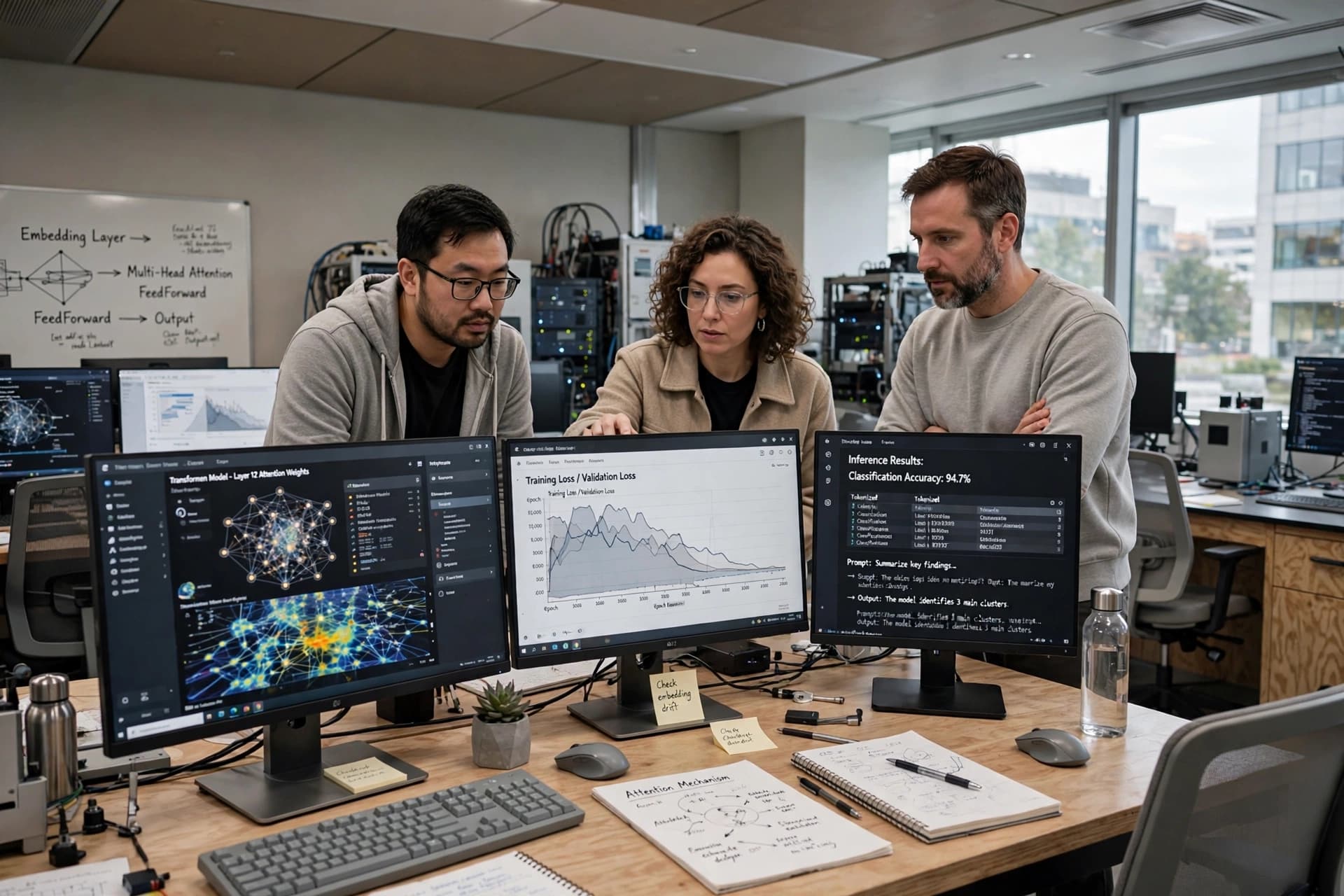
AI Image Disclaimer: “Visuals are AI-generated and serve as conceptual representations.”
Sources: Financial Times The Guardian Northeastern Global News Amnesty International Reuters
Published by Banx Network. This article is part of the Banx decentralized media programme, powered by the BXE token on the XRP Ledger.