The horizon in late summer often promises a gentle transition, a slow fading of heat into the crisp promise of autumn. Yet, in the vast, open stretches of Alberta, the sky holds a volatile character, capable of transforming from a serene canvas into a theatre of atmospheric violence within a matter of minutes. When the air pressure drops and the clouds darken with the heavy, bruised hues of a gathering supercell, the landscape itself seems to hold its breath. It is a moment where the thin veil between daily commerce and elemental chaos wears dangerously translucent.
The recent assessments following the August storms reveal more than just cold data points or insurance adjustment tables; they document a landscape altered by sudden, forceful motion. To stand in the path of such a system is to witness the sheer indifference of the wind, which carves paths through communities with little regard for the structures built to contain our lives. Vehicles, often our primary vessels for connection, became fragile targets against the onslaught of hail and high-velocity wind, their metallic frames buckling under the relentless percussion of ice.
Reflecting on these events requires a perspective that transcends the immediate shock. We often view our built environment as a constant, a static backdrop to our transient daily routines. However, the events of late August serve as a quiet, sobering reminder of our vulnerability. The damage recorded across the Prairies is not merely an incident of bad fortune; it is a manifestation of an intensifying dialogue between human expansion and the unpredictable rhythm of the northern skies.
As the dust and debris settle, the process of recovery begins to take form. This is a deliberate, methodical shift from the frantic energy of the storm to the quiet, persistent work of restoration. Insurance adjusters and local residents walk through streets that were, only days before, scenes of pandemonium, now turned into quiet corridors of assessment. Each claim filed is a story of disruption, an account of a singular life forced into a temporary pause while the mechanics of support begin their slow, grinding turn.
The financial figures, specifically the reported $235 million in insured losses, represent an abstraction that fails to capture the visceral reality of what was lost. Behind these numbers are the moments of decision—where to park, how to shield a home, and the sudden realization that nature possesses the power to dismantle our efforts with terrifying efficiency. These are the human echoes of a storm that refused to be ignored, leaving behind a legacy of repair that will occupy many families for months to come.
There is a strange, reflective grace in the aftermath. Communities, once rattled by the scream of wind and the battering of ice, find a shared language in the cleanup. Neighbours survey common damage, comparing notes on broken glass and dented siding, finding a fragile solidarity in the collective act of rebuilding. The storm becomes a marker in time, a "before and after" event that recalibrates the way people perceive their own safety and the permanence of their surroundings.
While technology and meteorological insight have granted us a measure of warning, they cannot provide a total shield. We exist within a complex, shifting ecosystem that demands a constant recalibration of our expectations. The resilience displayed by those in the path of the storm is not just about the ability to repair, but about the willingness to step back into the landscape, knowing the sky may eventually turn dark again. It is a stoic, deeply human response to the volatility of our home.
The path forward is paved with the necessity of adaptation. As the reality of these losses becomes integrated into the public consciousness, the conversation shifts toward long-term stability and smarter planning. It is a slow, evolutionary process, much like the changing of seasons, requiring us to think beyond the immediate horizon and consider the long, slow arc of the land we occupy. We are learning, albeit through difficult lessons, to build with a greater respect for the forces that share this space with us.
Catastrophe Indices and Quantification Inc. (CatIQ) confirmed that severe thunderstorms affecting Alberta, Saskatchewan, and Manitoba on August 20 and 21, 2025, resulted in over $235 million in insured losses. The storms brought large hail, heavy rain, and tornadoes, causing significant damage to vehicles and residential property. The Insurance Bureau of Canada (IBC) has noted that this event contributes to a broader trend of increasing annual catastrophic losses, emphasizing the need for improved building codes and resilient infrastructure to mitigate future financial and structural impacts
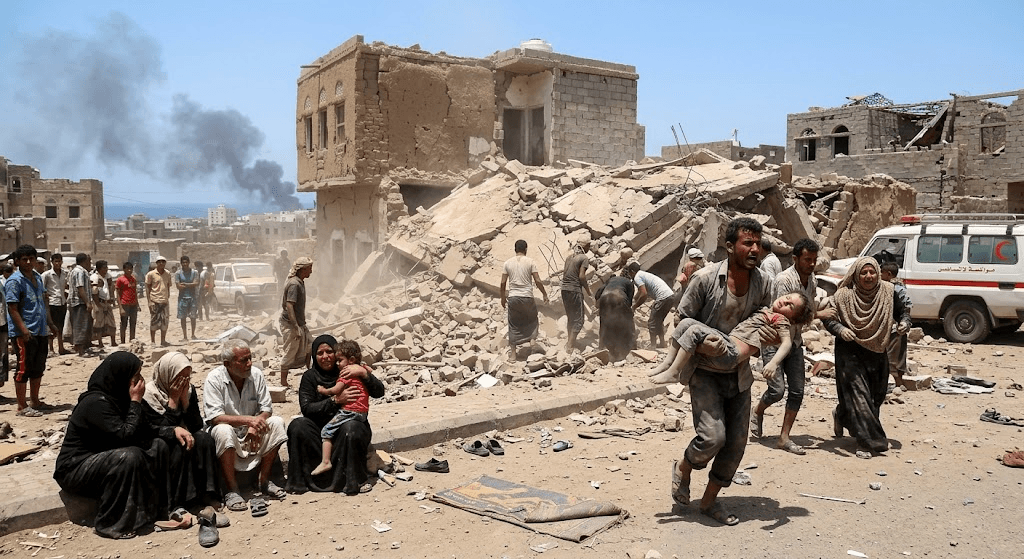
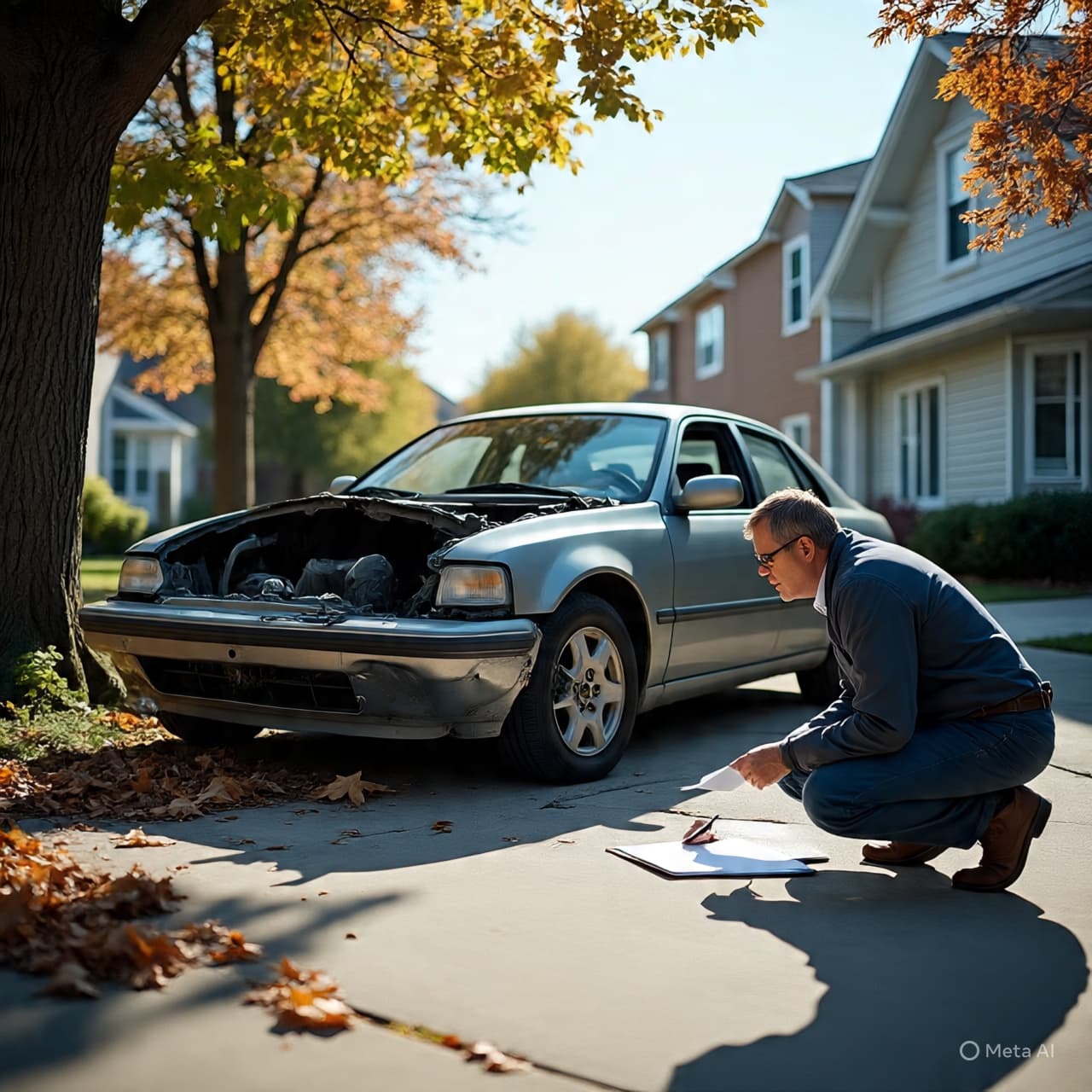
Disclaimer: Illustrations were created using AI tools and are not real photographs.
Sources Newswire.ca, Insurance Business Canada, Insurance Bureau of Canada (IBC), Catastrophe Indices and Quantification Inc. (CatIQ), CTV News.
Published by Banx Network. This article is part of the Banx decentralized media programme, powered by the BXE token on the XRP Ledger.