
Key Highlights
- Recent evacuations by Western nations are underway due to rising tensions.
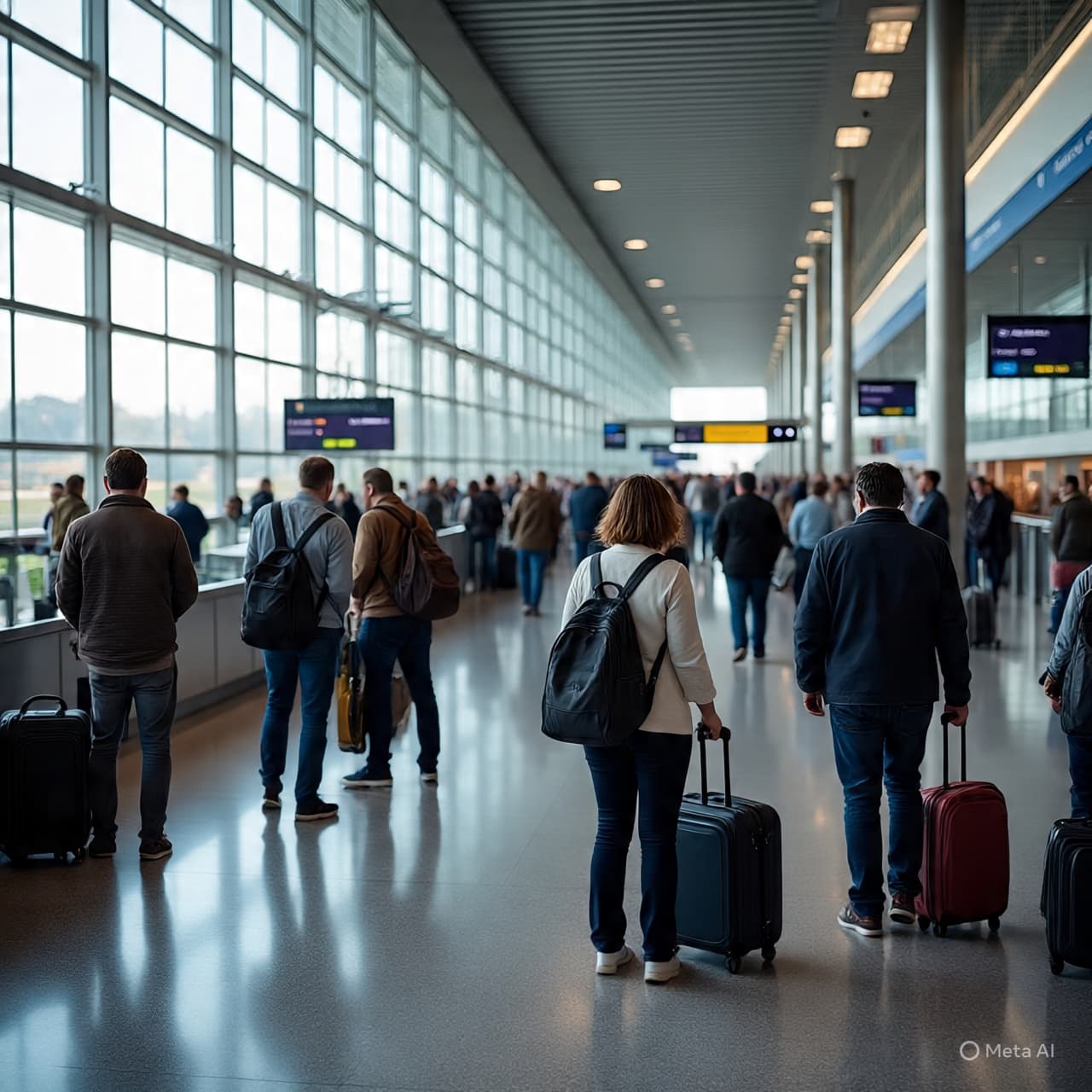
- Airports are crowded as citizens and diplomats seek safety.
- Governments emphasize precautionary measures amid ongoing geopolitical shifts.
In recent days, several Western nations have initiated evacuations of their citizens and diplomatic personnel from regions experiencing escalating tensions. This strategic move reflects a growing concern for safety as geopolitical dynamics shift, prompting governments to act decisively. Travelers have reported crowded airports filled with anxious individuals clutching their bags and passports, while long lines of buses stretch along highways leading out of major capitals.
Official advisories have been issued, urging citizens to exercise caution. The language used in these advisories is carefully crafted to convey urgency without inciting panic. As travelers navigate through bustling terminals, the atmosphere is charged with a palpable sense of unease, underscoring the gravity of the situation.
The evacuations are not abrupt reactions but rather a calculated response to a complex landscape of shifting alliances and historical tensions. Embassies are coordinating flights, and chartered aircraft are filling terminals with a sense of muted efficiency. Diplomats are seen traversing city streets, their focus unwavering as they assess the pulse of the environment around them. The Middle East, a region marked by its deserts and crowded urban centers, remains particularly volatile, with reports of drone activity and military convoys serving as reminders of the underlying risks.
The human aspect of this withdrawal is evident in the small, quiet moments that punctuate the chaos. Families linger in hotel lobbies, uncertain of their next steps, while travelers glance back at streets where shopkeepers continue their daily routines, seemingly oblivious to the distant headlines that dictate their fate. Governments frame these actions as precautionary measures, designed to safeguard citizens from unpredictable developments. However, for those directly affected, the weight of these decisions often feels heavy, made on their behalf rather than by their own volition.
As planes take off and convoys move toward safer zones, life in the region continues unabated. Ports remain active, markets open to the morning sun, and daily life unfolds under the same skies that have witnessed centuries of both turmoil and tranquility. The act of evacuation, while orderly and precise, serves as a reminder that the presence of nations and their citizens in foreign lands is inherently dynamic. Protection sometimes necessitates movement, a reluctant but necessary response to the complexities of international relations.
In the coming days, officials from various Western countries have confirmed that evacuations will continue, emphasizing the importance of coordination and prioritizing the safety of their citizens. Air and land routes are being closely monitored, and diplomatic channels remain open as contingencies are put in place to address any further escalation. Travelers are advised to stay informed and adhere to official guidance as the situation evolves.
Published by Banx Network. This article is part of the Banx decentralized media programme, powered by the BXE token on the XRP Ledger.



