

Key Highlights
- Dispute Resolution:A high-profile case in Indonesia concluded peacefully through mediation.
- Legal Framework:The case highlights the growing emphasis on restorative justice in Indonesia's legal system.
- Public Attention:The incident drew significant media coverage and public interest.
The complexities of human interactions can often lead to disputes that escalate beyond their original scope. In Indonesia, a recent case involving restaurateur and social media influencer Nabilah O’Brien and a couple, Zendhy Kusuma and Evi Santi Rahayu, exemplifies how conflicts can evolve from minor misunderstandings into significant legal battles. However, this particular case took a turn towards resolution through restorative justice, a concept gaining traction in the country’s legal framework.
The conflict began at a restaurant in Kemang, South Jakarta, where Nabilah accused the couple of leaving with multiple food orders without payment. This allegation prompted her to file a police report, which subsequently attracted widespread attention after CCTV footage of the incident was shared on social media platforms. The viral nature of the footage amplified the situation, drawing public scrutiny and leading to a counter-report from the couple, who accused Nabilah of defamation.
As the case unfolded, it transitioned from a straightforward police investigation into a more complex legal dispute, with both parties exchanging accusations. The involvement of law enforcement and the media spotlight intensified the situation, illustrating how quickly a local incident can escalate into a national conversation.
Recognizing the potential for a prolonged legal battle, authorities intervened to facilitate mediation between the parties. This approach allowed both sides to articulate their perspectives and seek a resolution outside the courtroom. The mediation process ultimately led to a mutual agreement, with both parties withdrawing their police reports and expressing a desire to resolve the matter amicably.
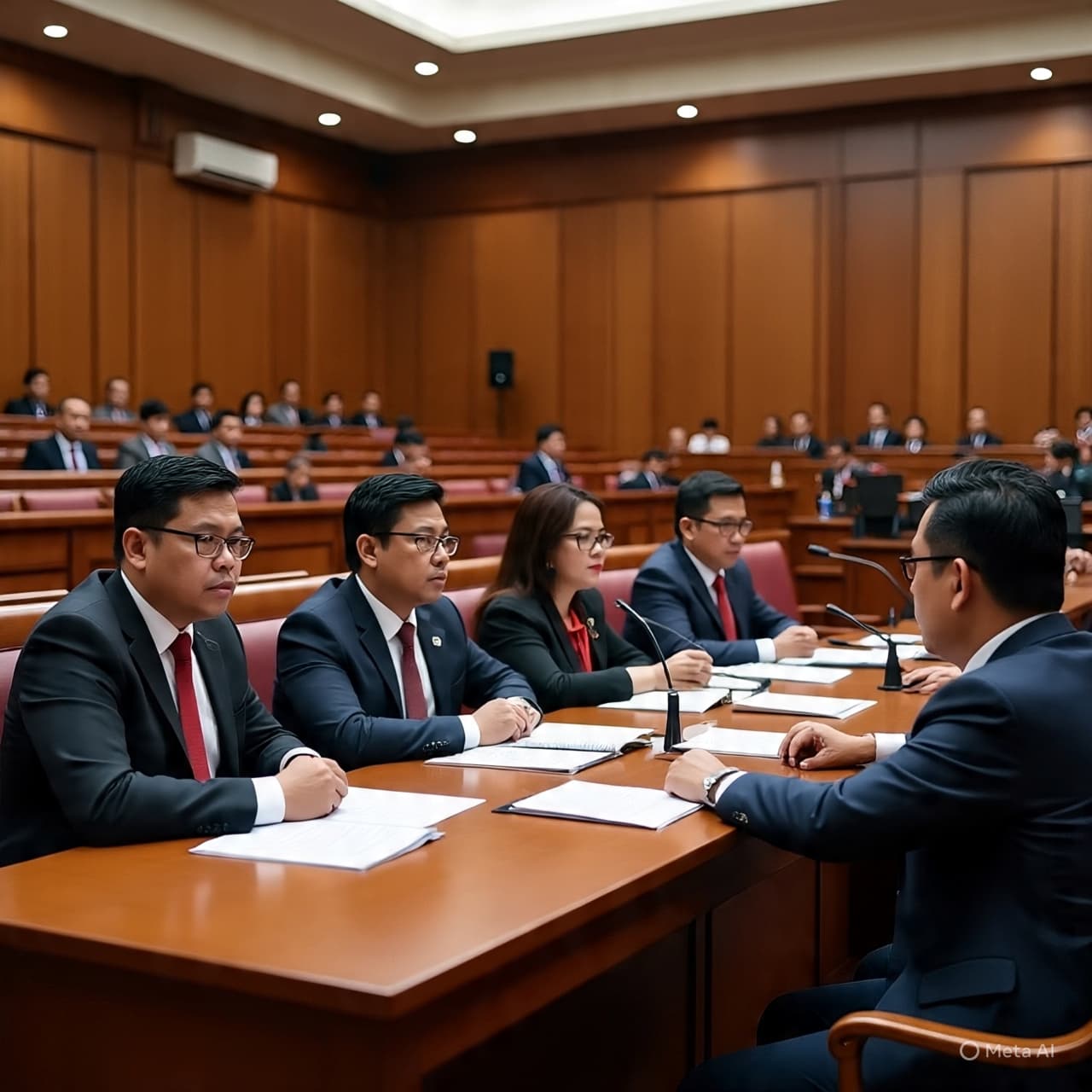
The resolution of this case garnered attention from Indonesia’s House of Representatives, particularly Commission III, which oversees legal affairs. During a parliamentary hearing, Commission chairman Habiburokhman praised the outcome, emphasizing that not all disputes need to be resolved through litigation. He highlighted the importance of reconciliation and mediation as viable alternatives that can restore relationships and promote social harmony.
This case serves as a significant example of the evolving legal landscape in Indonesia, where restorative justice is increasingly viewed as a means to address conflicts. The approach not only seeks to rectify legal violations but also aims to mend social ties, reflecting a shift towards more holistic conflict resolution methods.
As a result of the mediation, the status of suspect previously assigned to Nabilah was lifted, marking a formal end to the legal proceedings. This outcome underscores the potential for dialogue and understanding to prevail over confrontation, even in high-stakes situations.
In conclusion, the case illustrates the dynamic interplay between social media and legal processes, demonstrating how quickly public perception can shift. Yet, it also highlights the quieter, more constructive paths to resolution that can emerge when parties are willing to engage in dialogue and seek common ground.
As both Nabilah and the couple move forward, the case stands as a testament to the power of restorative justice in fostering understanding and reconciliation in Indonesian society.
Published by Banx Network. This article is part of the Banx decentralized media programme, powered by the BXE token on the XRP Ledger.




