
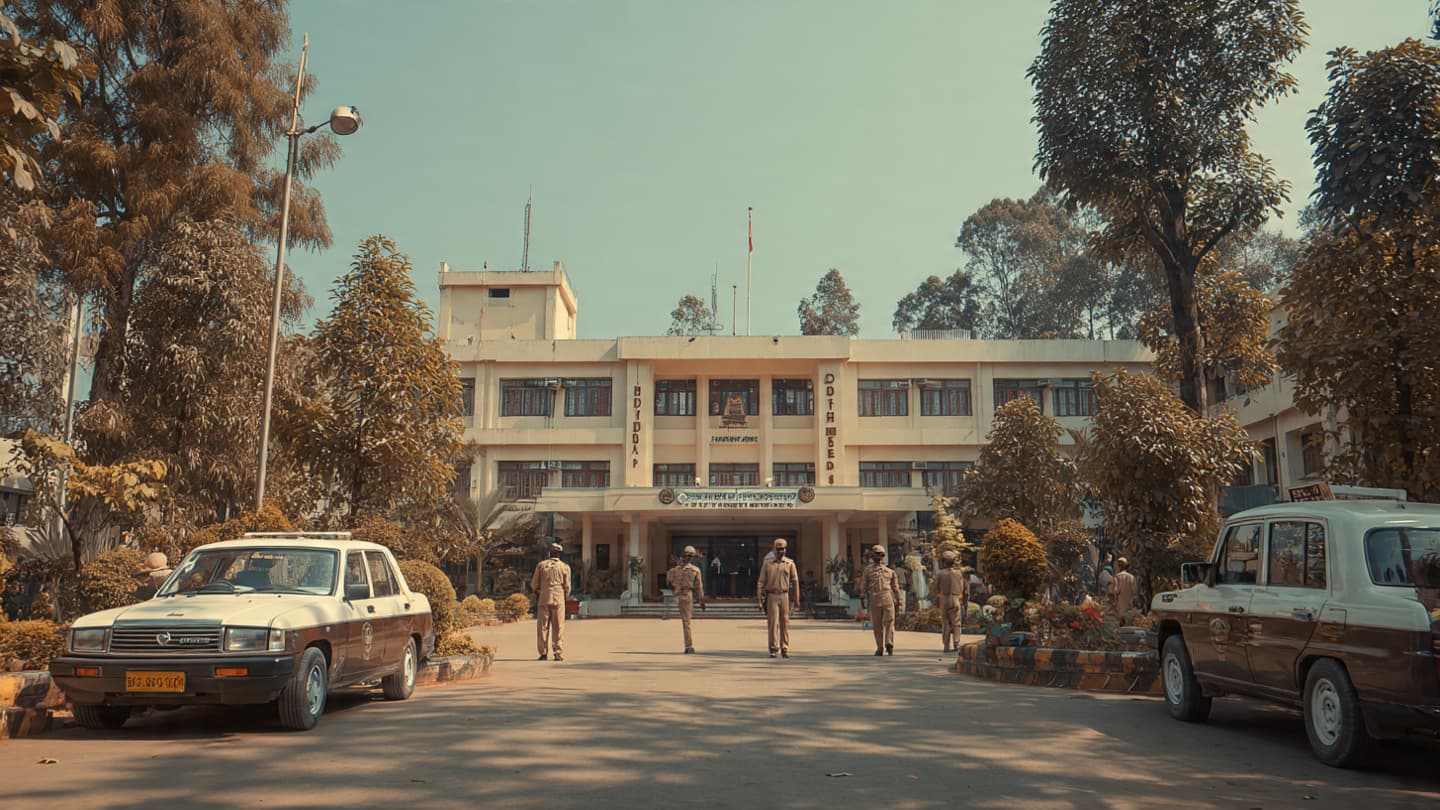
Borders are often imagined as clear lines on maps, yet in reality they are shaped by movement, history, labor, and human uncertainty. Across regions connected by migration and economic hardship, governments continue grappling with how to manage undocumented populations while balancing legal obligations and humanitarian concerns. In the Indian state of West Bengal, officials recently announced plans to establish holding centers for illegal migrants awaiting deportation proceedings.
According to government statements, authorities in are preparing facilities intended to temporarily house undocumented migrants identified through legal and administrative processes. Officials stated that the centers would function as part of broader immigration management and deportation procedures.
The issue of undocumented migration has remained politically sensitive in eastern India due to the region’s long and porous international borders. Migration patterns involving neighboring countries have historically influenced local demographics, labor markets, and electoral debates across several Indian states.
Supporters of stricter immigration enforcement argue that governments must maintain accurate citizenship records and strengthen border administration. Officials backing the new holding centers reportedly described the move as necessary for ensuring legal compliance and national security procedures.
Critics and civil rights organizations, however, have raised concerns regarding detention conditions, due process protections, and the humanitarian implications of large-scale migrant identification programs. Legal experts frequently note that immigration enforcement must operate within constitutional safeguards and international human rights standards.
The political dimension of migration policy has also become increasingly visible in Indian electoral discourse. Questions surrounding citizenship verification, border control, and undocumented populations often generate strong public reactions and partisan debate across multiple regions.
Observers noted that the proposed holding centers may place additional pressure on administrative systems already dealing with complex legal documentation processes. Determining citizenship status can involve lengthy investigations, particularly in communities where historical records and migration histories are difficult to verify.
Regional authorities stated that the facilities would operate under legal supervision while awaiting deportation or judicial review outcomes. Officials emphasized that procedures would remain subject to existing immigration laws and oversight mechanisms established by the state and central governments.
As discussions surrounding the proposal continued, political parties and advocacy groups prepared for further debate over migration management and civil liberties. The issue remains closely tied to broader national conversations about identity, security, and governance in contemporary India.
AI Image Disclaimer: Some supporting visuals for this report were generated using AI technology for editorial illustration purposes.
Sources: The Hindu, NDTV, Indian Express, Reuters
Note: This article was published on BanxChange.com and is powered by the BXE Token on the XRP Ledger. For the latest articles and news, please visit BanxChange.com