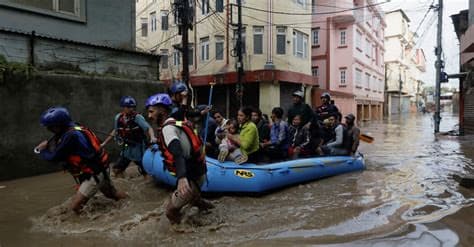
The dawn light over Jakarta drifts across the city like a breath held between tides. Beneath its soft glow, soldiers assemble on quiet fields, their movements deliberate and measured, their preparations drawn not for war but for the fragile work of peace. Indonesia — a nation of islands and enduring calm — is preparing to send thousands of troops to join a proposed peacekeeping mission in Gaza, part of an international plan to stabilize the enclave after months of devastation.
At military bases outside the capital, teams of engineers, medics, and logistics officers have begun readiness drills. The talk is not of combat but of rebuilding: clearing debris, restoring water lines, offering protection to those returning home. Early contingents may number around a thousand, but the plan could see as many as eight thousand personnel trained and standing by for deployment once formal agreements are finalized. Officials describe this as a humanitarian operation, one rooted in Indonesia’s long-standing support for the Palestinian people and its tradition of sending peacekeepers under United Nations mandates.
The mission, if realized, would form part of a broader multinational effort — a coordinated attempt to bring stability and humanitarian relief to Gaza following the end of active hostilities. For Jakarta, participation is not about political endorsement but moral intent: to assist in the slow restoration of daily life where conflict has left deep and unhealed scars. The government has emphasized that Indonesia’s forces would operate as protectors and rebuilders, focusing on aid delivery, medical support, and infrastructure repair rather than enforcement or patrol.
In Jakarta’s ministries, debates have been careful and deliberate. Some view the decision as a reaffirmation of Indonesia’s leadership among Muslim-majority nations, an expression of solidarity that transcends borders. Others caution against the complexities of such missions, where politics and security intertwine. Yet within the military and humanitarian circles alike, the tone remains one of quiet purpose — a recognition that peace, however distant, requires human hands to build it.
As evening descends and the humid air cools over the city’s riverbanks, the vision of deployment remains both near and far — tangible in training grounds, distant in diplomacy. Indonesia’s role in the coming months may be defined less by the noise of arms than by the steady rhythm of compassion carried across the sea. Between the islands and the desert, between readiness and restraint, a gesture of hope takes form — one built on discipline, patience, and the enduring belief that peace, once tended, can grow again.
AI Image Disclaimer
Illustrations were created using AI tools and serve as conceptual representations.
Sources (Media Names Only)
Reuters Associated Press BBC The Guardian The New Arab
Published by Banx Network. This article is part of the Banx decentralized media programme, powered by the BXE token on the XRP Ledger.
.jpg&w=3840&q=75 "US Declares Drought Disaster for Parts of Puerto Rico as Dry Conditions Persist")