
Key Highlights
- Increased Vigilance:Ukrainians face nights filled with air raid sirens and drone activity.
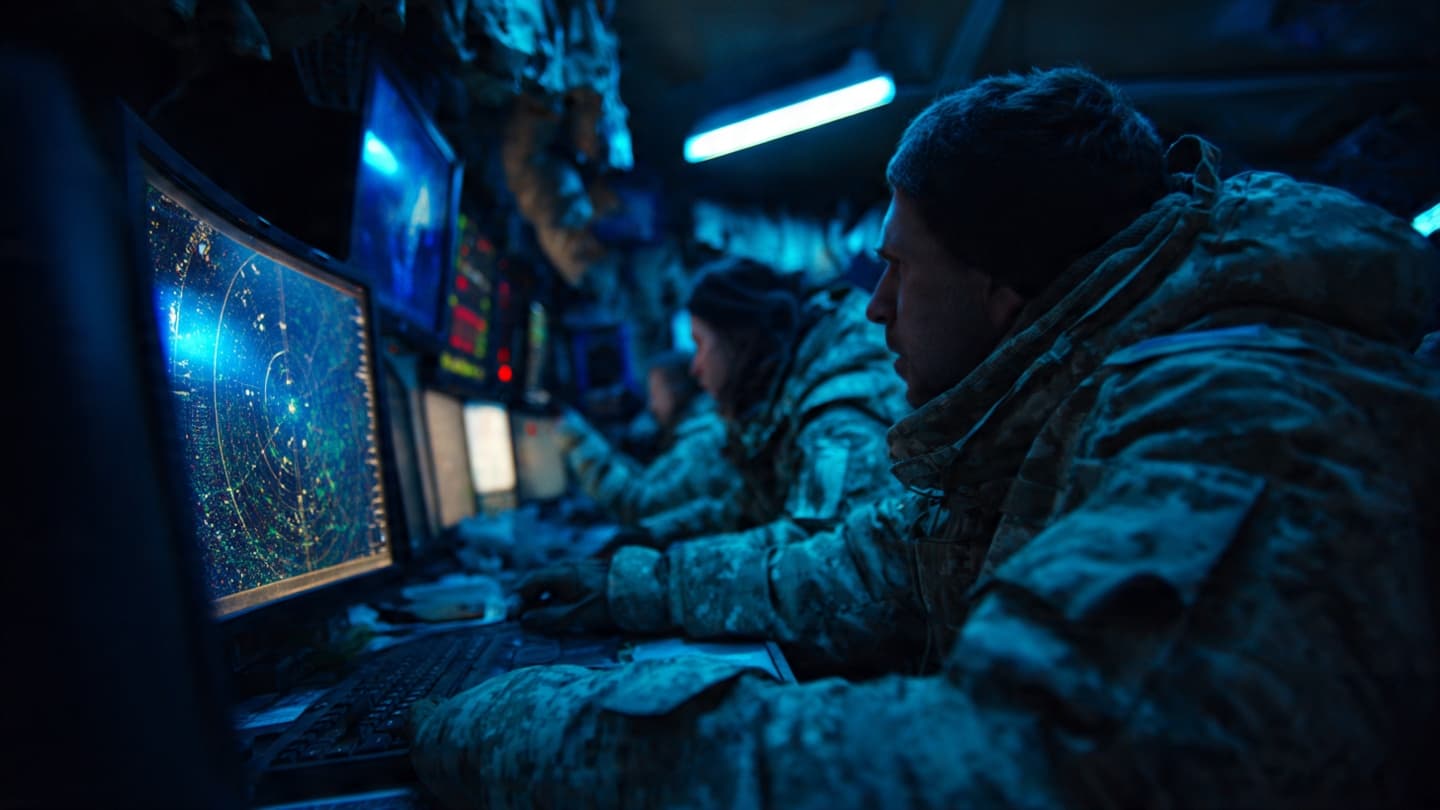
- Military Preparedness:Ukraine's air defense units are on high alert amid threats from Russia.
- International Support:Western nations continue to provide military and humanitarian aid to Ukraine.
Across Ukraine, nights have increasingly become moments of vigilance rather than rest. The distant hum of drones and the warning of air raid sirens have become familiar elements of everyday life, reflecting a conflict that continues to reshape the country's social and security landscape. As the war drags on, the psychological toll on civilians is palpable, with many adapting to a new normal defined by uncertainty and fear.
Ukrainian officials have recently warned of the possibility of large-scale drone and missile attacks from Russia. Authorities have urged residents in vulnerable areas to remain alert and follow official emergency guidance as military activity persists. The threat of escalation looms large, with military assessments indicating that Russia is likely to continue its strategy of targeting critical infrastructure.
According to Ukrainian military assessments, Russia continues to employ a combination of drones, cruise missiles, and ballistic systems in efforts to target infrastructure and strategic facilities. Air defense units across the country remain on heightened readiness, with a focus on intercepting incoming threats. The integration of Western-supplied air defense systems has been crucial in mitigating the impact of these attacks, although challenges persist due to the scale and frequency of strikes.
Officials in Kyiv stated that strengthening defensive capabilities remains a national priority. The ongoing conflict has highlighted the importance of robust air defense systems, which have played a significant role in intercepting incoming threats. However, the sheer volume of attacks poses a significant challenge, and officials are working tirelessly to enhance their defensive measures.
Civilian infrastructure has remained a central concern throughout the conflict. Energy facilities, transportation networks, and residential areas have all experienced varying degrees of damage during previous waves of strikes. The impact on daily life is profound, with many citizens facing power outages and disruptions to essential services. The resilience of the Ukrainian people is evident, as they continue to adapt to these wartime realities.
International partners continue providing military, financial, and humanitarian assistance to Ukraine. Governments across Europe and North America have reiterated their support while simultaneously calling for diplomatic efforts aimed at achieving a lasting peace. This ongoing support is vital for Ukraine as it navigates the complexities of the conflict and seeks to bolster its defenses against further aggression.
Russia has consistently maintained that its military operations target strategic objectives. Meanwhile, Ukrainian authorities argue that repeated attacks continue to impose significant humanitarian and economic costs on the country. The international community remains watchful, with many advocating for a resolution to the conflict that prioritizes the safety and well-being of civilians.
As the conflict enters another period of uncertainty, millions of Ukrainians continue adapting to wartime realities. Despite ongoing risks, daily life persists across much of the country, reflecting both resilience and the enduring hope for stability. The situation remains fluid, and as night falls, the vigilance of the Ukrainian people is more critical than ever.
Published by Banx Network. This article is part of the Banx decentralized media programme, powered by the BXE token on the XRP Ledger.



