There are moments when even the most enduring conflicts seem to pause, if only briefly, to consider another path. Across the plains of Eastern Europe, where seasons have passed over trenches, shattered towns, and repaired roads, the rhythm of war continues. Yet alongside the movement of soldiers and machinery, another current persists—slower, less visible, but no less consequential. It is the search for a conversation capable of altering the course of events.
In recent days, that search took on renewed significance as Ukrainian President Volodymyr Zelenskyy proposed a direct meeting with Russian President Vladimir Putin to discuss ways of ending the war that has reshaped both nations and reverberated far beyond their borders. The proposal emerged amid ongoing diplomatic efforts and renewed international interest in whether a negotiated path remains possible after more than four years of conflict.
The suggestion of a face-to-face meeting carries a symbolic weight that extends beyond protocol. Since Russia's full-scale invasion of Ukraine in 2022, the two leaders have occupied opposite ends of a geopolitical divide defined by military campaigns, competing narratives, and shifting international alliances. Formal negotiations have occurred intermittently through intermediaries and diplomatic channels, but a direct meeting between the presidents has remained elusive.
The timing of Zelenskyy’s proposal reflects a moment of complicated contrasts. On the battlefield, fighting continues across several regions, with both sides reporting military operations and strategic gains. Drone warfare, long-range strikes, and technological innovations have transformed the nature of the conflict, creating a landscape where front lines are no longer the sole measure of vulnerability. At the same time, diplomatic initiatives continue to surface, suggesting that even amid escalation, avenues for dialogue remain under consideration.
International actors have watched these developments closely. Governments across Europe, North America, and parts of Asia continue to support various diplomatic frameworks aimed at reducing tensions and establishing conditions for eventual peace. Yet the central challenge remains unchanged: any lasting settlement would require engagement between the principal parties themselves, each carrying vastly different views regarding territory, security guarantees, sovereignty, and the future political order of the region.
For Ukraine, the proposal underscores a continuing effort to demonstrate openness to negotiation while maintaining its strategic objectives. Ukrainian officials have repeatedly stated that peace must be based on respect for sovereignty and internationally recognized borders. Russia, meanwhile, has maintained its own conditions for negotiations, often emphasizing security concerns and territorial realities established during the course of the war.
The distance between those positions remains substantial. Yet diplomacy has often emerged not from agreement, but from recognition of the costs associated with continued conflict. Throughout history, negotiations have frequently begun while disagreements remained profound and military operations continued. The possibility of dialogue rarely arrives in perfect conditions; it often appears precisely when uncertainty is greatest.
There is also a human dimension that lingers beneath the language of statecraft. Across Ukraine and Russia, millions of people continue to experience the consequences of a war that has altered daily life in countless ways. Families remain separated by borders and displacement. Cities continue rebuilding even as air raid alerts interrupt ordinary routines. Entire generations have grown accustomed to living alongside uncertainty.
Against that backdrop, the idea of a meeting between leaders acquires significance beyond diplomatic symbolism. It becomes a reminder that political decisions ultimately shape the experiences of individuals far from negotiating tables. Whether discussions succeed or fail, the willingness to explore them carries meaning for populations seeking signs that alternatives to perpetual conflict remain possible.
The international community has responded cautiously to the proposal. Analysts note that previous peace efforts have encountered obstacles ranging from military developments to disagreements over preconditions. Others suggest that even exploratory discussions could help clarify intentions and reduce misunderstandings during a period of heightened tension.
For now, the proposal remains an invitation rather than an agreement. No meeting has been confirmed, and the many complexities surrounding any potential talks remain unresolved. Yet the suggestion itself has shifted attention, however briefly, from battlefields toward conference rooms and diplomatic channels.
As summer advances across Eastern Europe, wheat fields sway beyond military checkpoints, rivers continue their patient journeys toward distant seas, and cities adapt to another season shaped by war. Life persists, carrying both resilience and fatigue in equal measure.
Whether Zelenskyy’s proposal ultimately leads to a meeting between the two presidents remains uncertain. What is clear is that the search for an end to the conflict continues to move along parallel tracks of military pressure and diplomatic possibility. Somewhere between those paths lies the difficult terrain of peace—a destination still distant, yet not entirely absent from view.
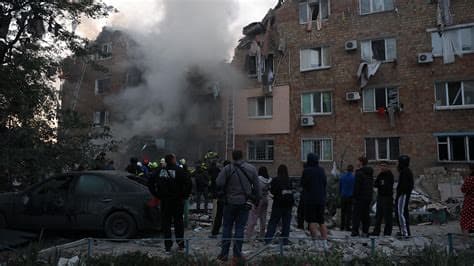
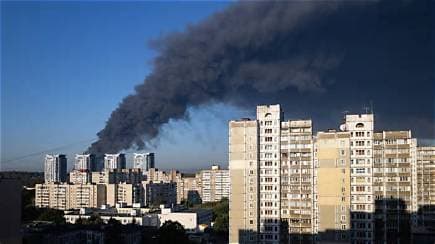
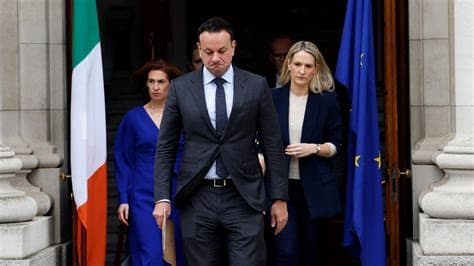
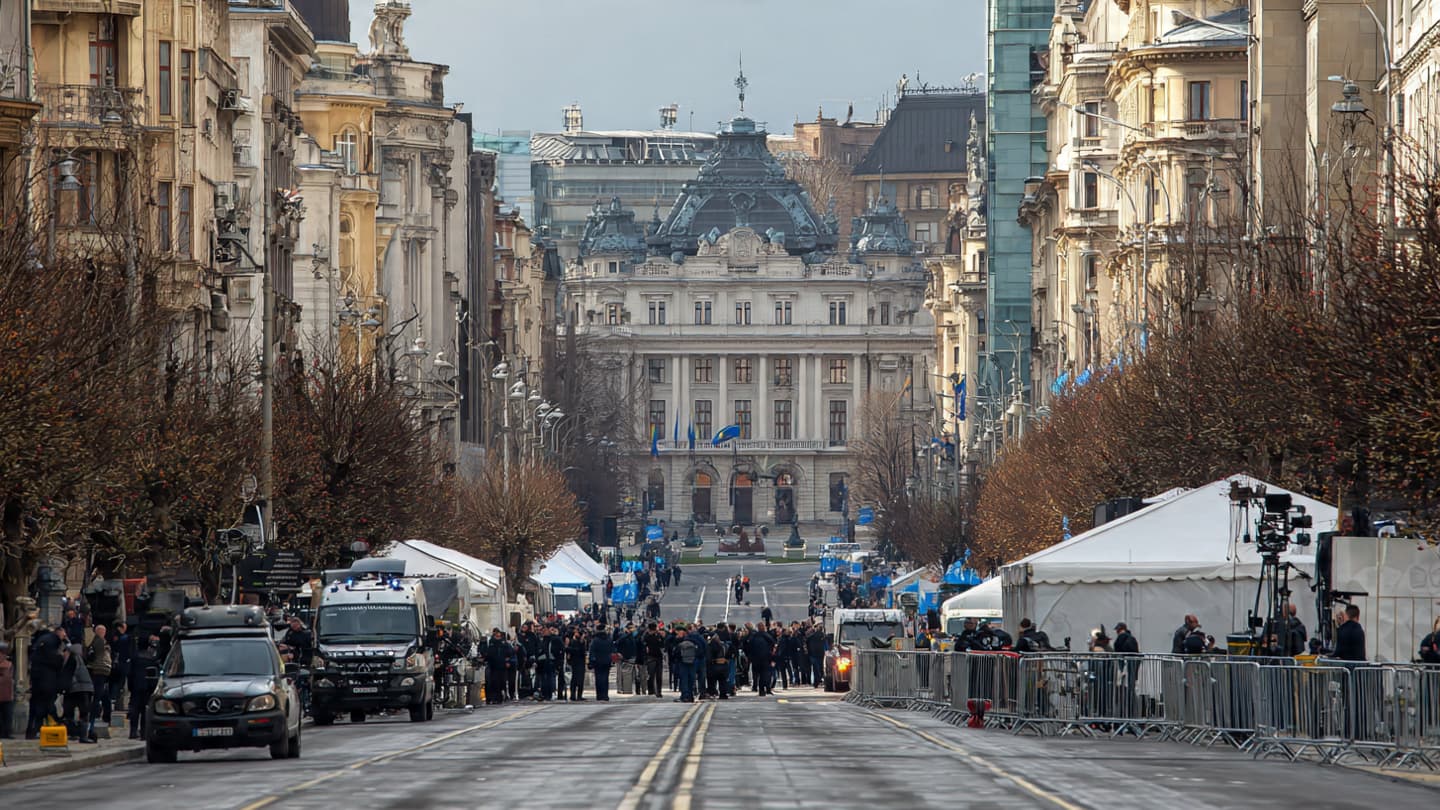
AI Image Disclaimer Visuals are AI-generated and serve as conceptual representations of the events and locations discussed in this article.
Sources Reuters Associated Press BBC News Agence France-Presse (AFP) The Guardian
Published by Banx Network. This article is part of the Banx decentralized media programme, powered by the BXE token on the XRP Ledger.